
Quick answer
Shirakawa-go lies roughly 300 kilometres northwest of Tokyo in a straight line, with realistic door-to-door journeys running well beyond that on the ground, since no rail line reaches the village directly. Entry to Ogimachi itself costs 0 JPY, and the recommended arrival window is 08:00–10:00, before daytime crowds and parking congestion build.
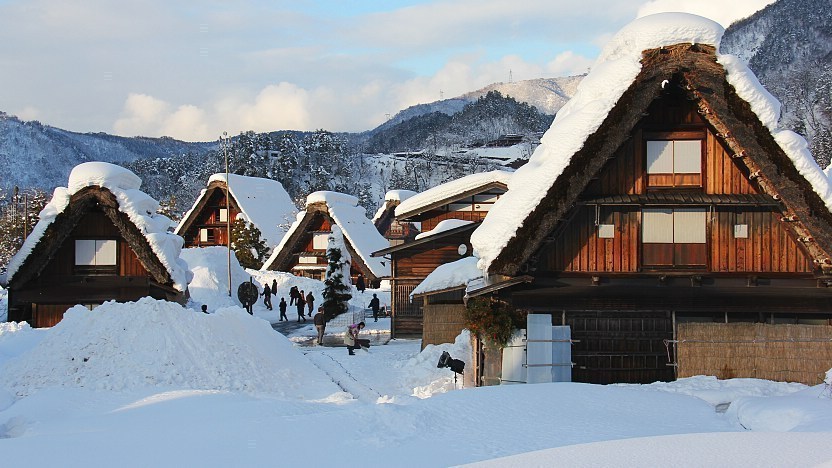
The village that draws these journeys was very nearly drowned. Postwar dam projects flooded neighbouring hamlets along the Shō River, and Ogimachi's gassho-zukuri farmhouses survived partly because relocation efforts gathered surviving structures here. Their steep thatched roofs, angled like hands pressed in prayer, were engineered for snow loads that can bury the valley floor. UNESCO inscribed the settlement in 1995, alongside nearby Gokayama. Distance is the wrong unit for this trip, which is why so many travellers asking how far is Shirakawago from Tokyo come away confused by the answers they find. The straight-line figure is modest by Japanese standards. The obstacle is topography: the Hida mountains stand between the Kanto plain and Gifu Prefecture, and the last leg into Ogimachi has no station. Every route ends on a road, whether through Takayama, Kanazawa, or Toyama. This is what separates a Shirakawa-go day trip from a comfortable one, and why Takayama functions as the natural staging post rather than a detour. Travellers who base themselves in the old merchant quarter around Sanmachi Suji shorten the final approach considerably. The practical consequence is a choice about pacing. A same-day return from the capital is possible on paper and unforgiving in practice, leaving perhaps two hours in the village against a full day in transit. Staying overnight in Takayama, or in one of Ogimachi's own thatched minshuku, converts the same kilometres into an unhurried visit. The Shiroyama Viewpoint above the village, the Wada House, the Myozenji temple museum, and the suspension bridge across the Shō River each ask for time that a rushed schedule cannot supply. Winter adds a further variable, since snow closes some approach roads and reroutes buses. The village address — Ogimachi, Shirakawa-mura, Ono-gun, Gifu Prefecture 501-5627 — belongs to a working community of about 1,600 residents, not a museum campus. That fact shapes the etiquette: houses are homes, and lanes are lived in. Anyone weighing how far is Shirakawago from Tokyo should treat the arrival hour as the real planning decision. Reaching Ogimachi in the early window buys quiet lanes, open parking, and light that still sits low on the thatch. Detailed routes, hours, seasonal notes, and costs are set out in the sections that follow.
“Distance is the wrong unit for this trip; the Hida mountains, not the kilometres, decide how the day unfolds.”
How Far Is Shirakawago From Tokyo and How to Get There
Shirakawa-go is located in the Gifu Prefecture, approximately 450 to 500 kilometers from Tokyo. As there is no direct train station in the village, travelers typically use the Hokuriku Shinkansen to reach nearby transit hubs before transferring to a highway bus.
Hokuriku Shinkansen to Toyama Station, then Nohi Bus to Shirakawa-go
Hokuriku Shinkansen to Kanazawa Station, then Hokutetsu or Nohi Bus to Shirakawa-go
Direct highway bus from Shinjuku Expressway Bus Terminal to Takayama, then bus to Shirakawa-go
Planning Your Visit: How Far Is Shirakawago From Tokyo and Takayama
This two-day plan suits travellers leaving Tokyo who want Takayama and Shirakawa-go in one trip without backtracking, using Takayama as the overnight base. Allow two full days plus one night's accommodation.
Travel to Takayama
Leave Tokyo early and travel through to Takayama, roughly five to five and a half hours door to door with one transfer. Store luggage at the station or drop it at your hotel before exploring.
Sanmachi Suji old town
Walk the preserved merchant streets of Sanmachi Suji, Kami-Sannomachi and the Miyagawa riverside, allowing two to three hours. Sake breweries here close their tasting rooms by late afternoon.
Takayama Jinya and dinner
Circle back past Takayama Jinya, the former government house, then eat locally; most old-town restaurants stop seating around 20:00. Confirm your morning bus reservation tonight, as seats to Shirakawa-go sell out in peak season.
Arrive at Ogimachi
Reach Ogimachi within the 08:00–10:00 arrival window to avoid heavy daytime crowds and parking congestion. The village itself is free to enter; individual house and museum interiors charge their own fees.
Shiroyama viewpoint and gassho houses
Climb or shuttle to the Shiroyama observation deck first, then work downhill through Wada House and Kanda House, around three hours total. Paths are gravel and can be icy in winter.
Return leg to Tokyo
Allow four to five hours back to Tokyo via Kanazawa or Nagoya, depending on your rail pass. Book the return seat before leaving Takayama, as afternoon departures fill quickly.
When to Visit: How Far Is Shirakawago From Tokyo and Seasonal Timing
The best arrival window is 08:00–10:00 to avoid heavy daytime tourist crowds and parking congestion. Planning your visit during this time ensures a quieter experience before the peak arrival of tour buses from major transit hubs.
Weekday mornings
Minimal—
Arrive early to navigate the village paths and viewpoints with fewer visitors.
Spring (April–May)
ModerateMild with temperatures 10°C–20°C
Cherry blossoms appear while the snow recedes from the mountain trails.
Summer (June–August)
HeavyHumid with temperatures 20°C–30°C
Lush greenery surrounds the houses; expect increased visitor traffic during school holidays.
Autumn (October–November)
ModerateCool with temperatures 5°C–15°C
Changing foliage provides a backdrop for photography; arrive early to secure limited parking.
Winter (January–February)
HeavyCold with temperatures -5°C–5°C
Significant snowfall occurs; specialized evening light-up events attract very high visitor numbers.
Verdict: For the quietest experience, visit on a weekday between 08:00–10:00 during the shoulder months of April or October.
Nearby Destinations: How Far Is Shirakawago From Tokyo via Takayama
Takayama acts as the primary gateway for travelers moving between Tokyo and Shirakawa-go, offering a historic urban contrast to the rural mountain village. Integrating both locations allows visitors to experience the preserved Edo-period streetscapes of Takayama alongside the traditional gassho-zukuri architecture of the Shirakawa-go valley.
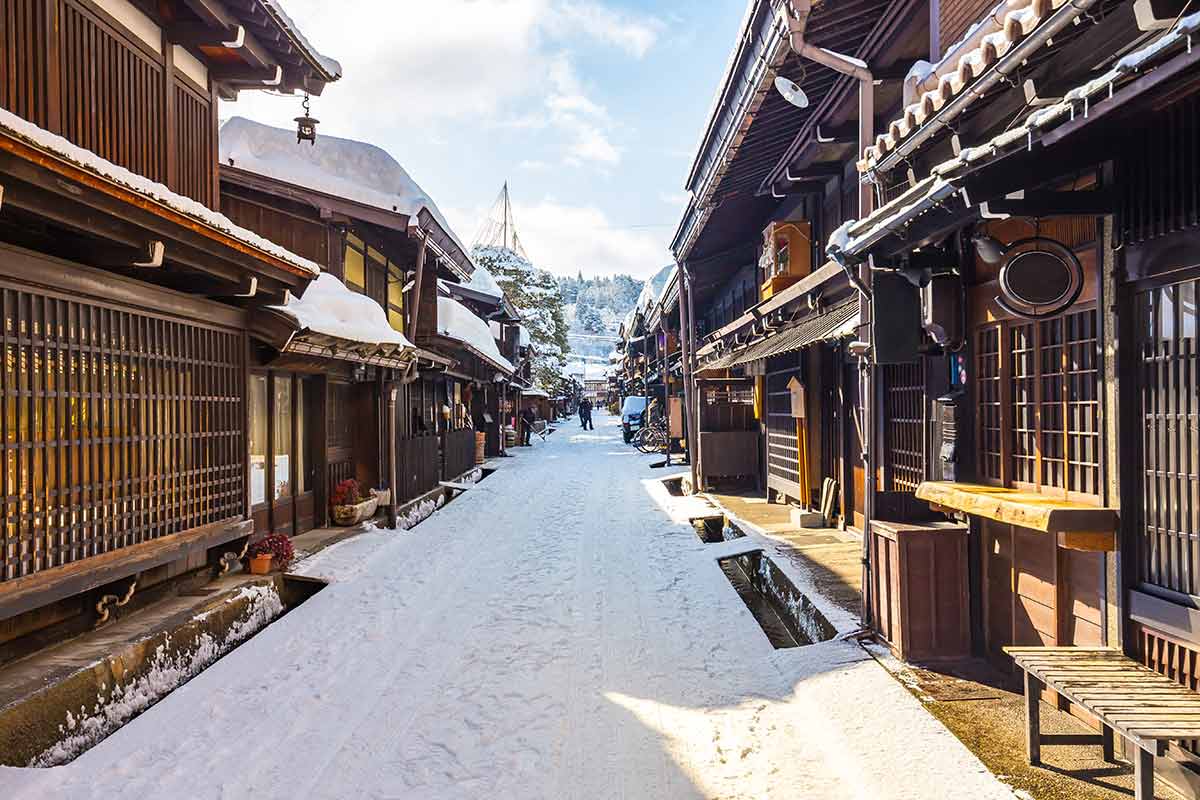
Takayama Old Town
This well-preserved district features traditional merchant houses, sake breweries, and craft shops that complement the village atmosphere of Shirakawa-go.
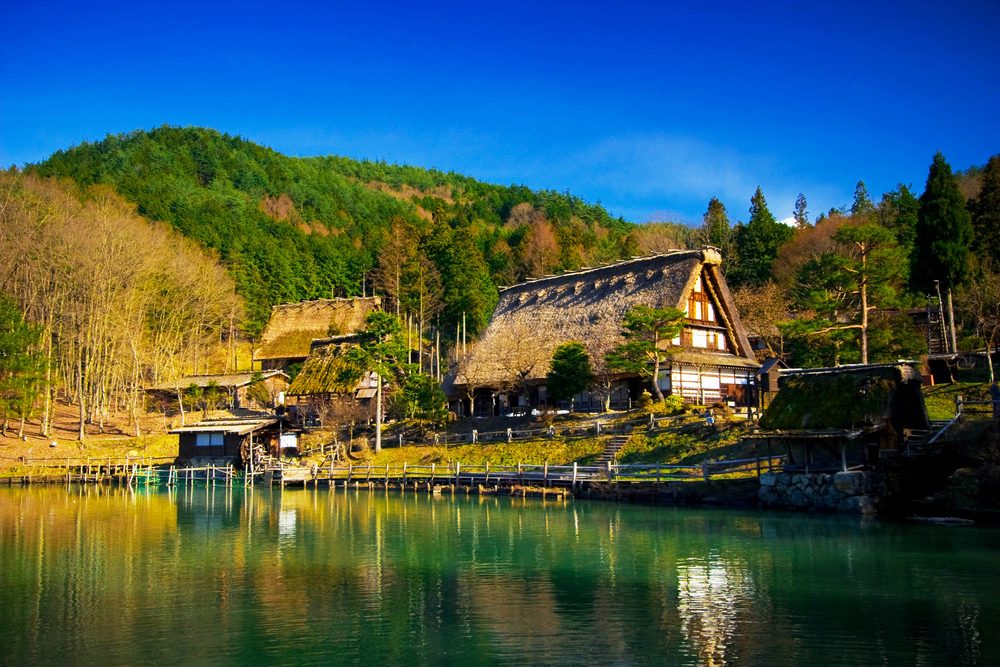
Hida Folk Village
This open-air museum displays relocated traditional farmhouses, providing a deeper look at regional construction techniques found in Shirakawa-go.
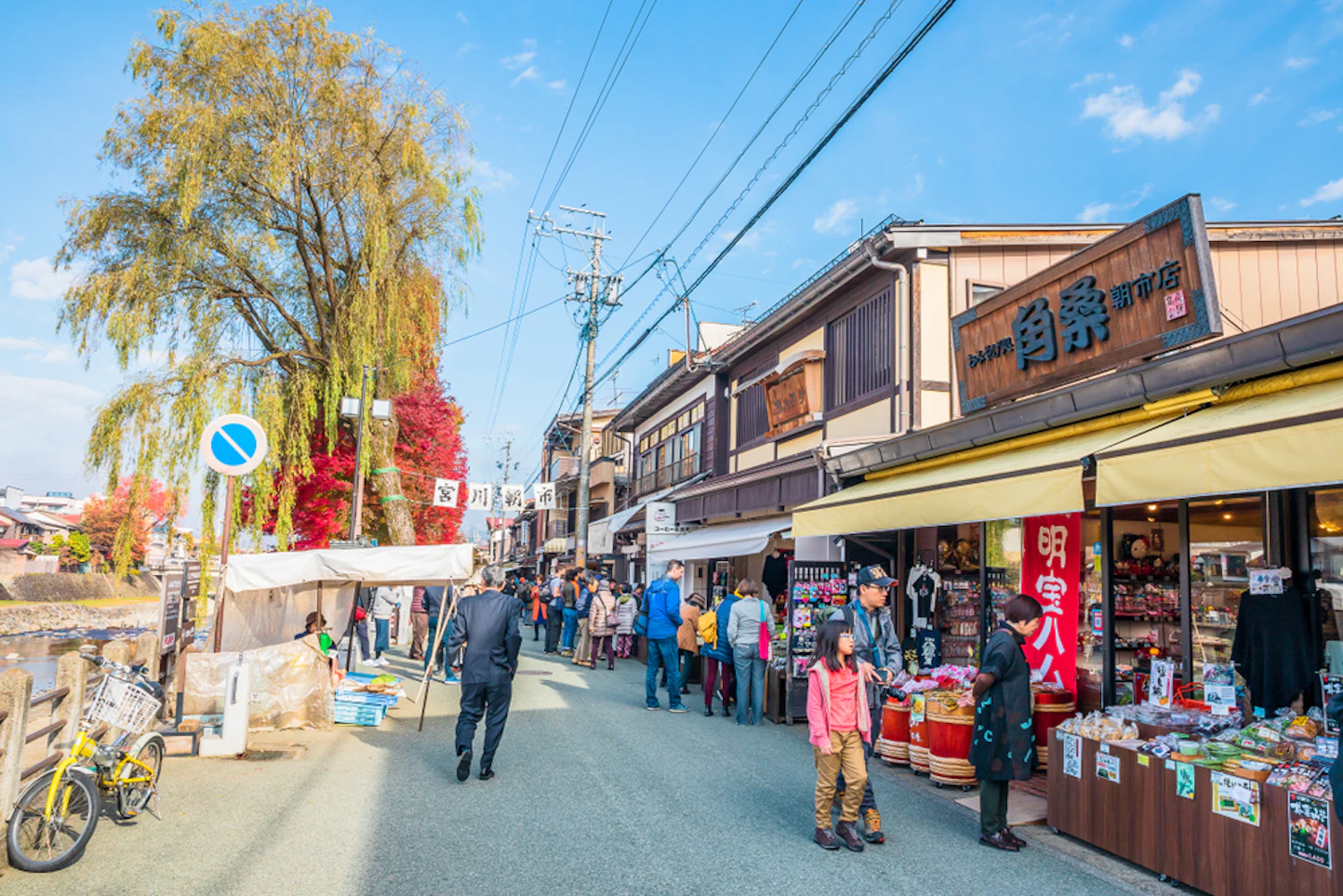
Miyagawa Morning Market
One of Japan's most famous morning markets, it offers local produce and crafts, serving as an ideal stop before or after traveling to the mountains.
Official Hours for When You Visit Shirakawago From Tokyo
Shirakawago is open to visitors daily throughout the week. Please refer to the operating hours below for your travel planning.
| Monday | 08:00–17:00 | |
|---|---|---|
| Tuesday | 08:00–17:00 | |
| Wednesday | 08:00–17:00 | |
| Thursday | 08:00–17:00 | |
| Friday | 08:00–17:00 | |
| Saturday | 08:00–17:00 | |
| Sunday | 08:00–17:00 |
Entrance Fees: How Far Is Shirakawago From Tokyo in Terms of Cost
Access to the Shirakawa-go village grounds is free of charge for all visitors. However, individual historic houses and museums within the village set their own separate admission fees for interior entry.
Most visitors pay 0 JPY for village access, with total costs depending solely on how many specific historic homes or museums you choose to enter.
Check availability
Frequently Asked Questions About Visiting Shirakawa-go from Tokyo
Everything you need to know about how far is shirakawago from tokyo