
Quick answer
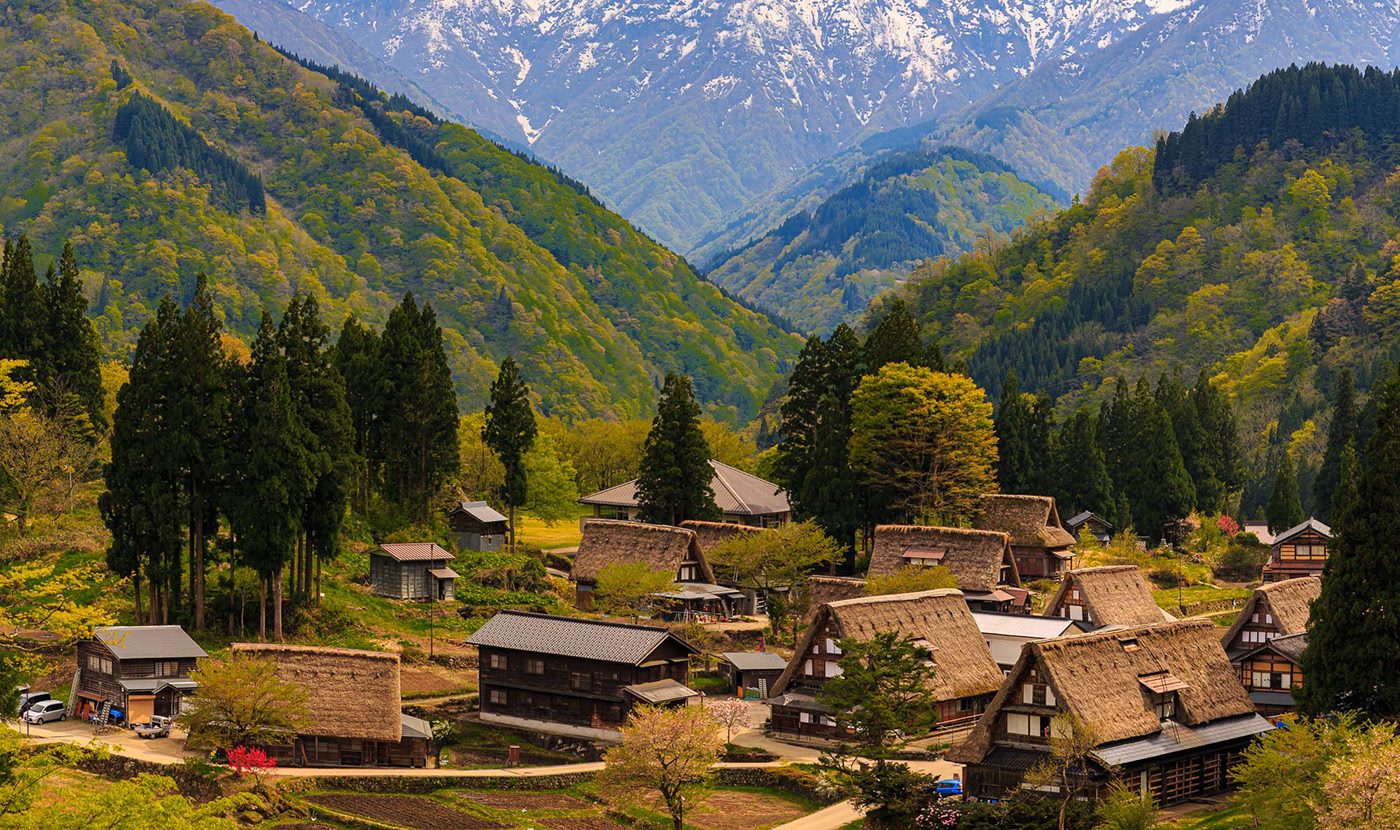
Yes. Roughly twenty gassho-zukuri farmhouses in Ogimachi operate as family-run minshuku, and guests sleep on futons in the same houses tourists photograph by day. Beds are limited, so winter and autumn fill months ahead. The village itself charges no entrance fee — 0 JPY — and stays open 08:00–17:00 daily to day visitors.
The steep thatched roofs of Ogimachi are rebuilt by hand, and the labour is shared: a full re-thatching draws hundreds of villagers in a system called yui. That detail matters to anyone weighing whether they can you stay in shirakawago overnight, because these are working houses in a living settlement, not a museum campus. The World Heritage listing covers Ogimachi alongside Ainokura and Suganuma in neighbouring Toyama, and it protects a population that still farms, still shovels snow off eaves, and still lets a handful of rooms. The practical shape of Shirakawa-go accommodation is unusual. Lodging is concentrated in minshuku — small family guesthouses — plus a few pensions and one or two ryokan-style operations. Rooms are tatami with shared bathing, meals are served at fixed hours, and the total bed count across the village is measured in dozens, not hundreds. Many houses accept only one or two parties a night. That scarcity, not policy, is the real constraint. Compare this with Takayama, forty-odd kilometres east, where the Sanmachi Suji merchant quarter and the morning markets sit beside dozens of conventional hotels; Takayama absorbs overflow and functions as the region's base for most travellers. The reward for sleeping inside the village is a different Ogimachi entirely. Day-trip coaches unload through the middle of the day and the Shiroyama viewpoint above the village stays busy until late afternoon. Once the last bus pulls out, the lanes along the Shogawa river go quiet, irori hearths are lit indoors, and the paddy fields reflect whatever light is left. In summer, that means frogs and open shoji screens; in the January and February illumination evenings, it means being on the correct side of a sold-out ticket lottery. Anyone still asking can you stay in shirakawago will find the honest answer is yes, but only with planning measured in months rather than days. For a Shirakawa-go private tour or a self-driven visit, the decision usually comes down to what the traveller wants from the place. A daylight visit covers the Wada House, the Kanda House and the open-air Gassho-zukuri Minkaen without difficulty. An overnight stay buys atmosphere, a home-cooked meal of river fish and mountain vegetables, and early morning access to the village before anyone else arrives. Neither choice is wrong. What ruins trips is assuming a bed will be available on arrival — it will not be.
“Once the last bus pulls out, the lanes along the Shogawa river go quiet and the paddy fields reflect whatever light is left.”
How to Book and Can You Stay in Shirakawago
Yes, you can sleep inside the village, and this procedure walks you through securing a bed in a gassho-zukuri farmhouse or a modern hotel nearby. Expect the booking process itself to take an evening of research and messaging, but start it six to twelve months before your travel dates.
Decide farmhouse or hotel
Choose between a thatched gassho-zukuri minshuku inside Ogimachi, where you sleep on futons in a shared family home, or a conventional hotel in the surrounding area. Most people assume the farmhouses are hotels and are surprised by shared bathrooms, a set dinner time, and no in-room lock.
Check availability twelve months ahead
Only around twenty farmhouses accept overnight guests, and each takes a handful of rooms per night, so the village sells out far earlier than the region's hotels. Winter light-up dates and autumn weekends are the first to disappear, often within days of release.
Reserve through an accepted channel
Some minshuku take reservations only by phone in Japanese or through the village association, while others list on booking platforms; confirm which applies before assuming an online form exists. The official site at https://shirakawa-go.gr.jp/ is the reliable starting point for current lodging contacts.
Confirm meals and house rules
Farmhouse rates normally include dinner and breakfast served at fixed times, and arriving late means missing the meal entirely. Ask about check-in cutoff, smoking rules, and whether the house heats with an irori hearth.
Send your guest details early
Provide names, nationality, arrival time, and any dietary restriction well before arrival, as small family-run houses cannot improvise vegetarian or allergy-safe meals on the day. Solo travellers should ask directly, since several houses accept only pairs or groups.
Reconfirm a week before
Contact the house again to restate your arrival time and get written directions to the door, because many farmhouses have no visible sign and no staffed reception. Note the village office number, +81-5769-6-1311, in case you need help locating the property.
Pack for a family home
Bring cash, indoor socks, and a small towel, since many houses do not accept cards and amenities are minimal. Leave large suitcases at your onward accommodation where possible, as narrow staircases and tatami rooms leave little floor space.
When Should You Plan to Stay in Shirakawago
Staying overnight in Shirakawa-go is best experienced during the shoulder months of April, May, October, and November to balance comfortable temperatures with lower visitor density. Prioritizing an arrival between 08:00–10:00 allows visitors to secure parking and explore the village before day-tripper volumes increase.
Spring (April-May)
ModerateMild, 10°C to 18°C. Rice fields are filled with water and spring blossoms appear.
Late spring offers pleasant walking conditions before the summer humidity begins.
Autumn (October-November)
ModerateCool, 8°C to 16°C. Fall foliage colors the surrounding mountains.
The crisp air and changing leaves provide distinct visual character to the thatched-roof houses.
Winter (January-February)
High (event days)Cold, -5°C to 3°C. Frequent heavy snowfall.
Evening light-up events attract large crowds, making advance reservations essential for overnight stays.
Weekday Mornings
Low—
Arriving during the best arrival window of 08:00–10:00 ensures quieter streets and easier parking access.
Verdict: Plan your overnight stay for mid-week in May or October, arriving by 10:00 to experience the village atmosphere before peak daily crowds arrive.
Daily Operations and Can You Stay in Shirakawago
The village operates daily throughout the year to accommodate visitors. Regular hours remain consistent regardless of the day of the week.
| Monday | 08:00–17:00 | |
|---|---|---|
| Tuesday | 08:00–17:00 | |
| Wednesday | 08:00–17:00 | |
| Thursday | 08:00–17:00 | |
| Friday | 08:00–17:00 | |
| Saturday | 08:00–17:00 | |
| Sunday | 08:00–17:00 |
Entrance Fees and Can You Stay in Shirakawago Costs
Entry to the Shirakawa-go village itself is free for all visitors. Costs associated with visiting by vehicle are limited to the designated parking area, which functions as a conservation fee.
A typical adult visitor pays 0 JPY to enter the village, though those arriving by private car must pay a 2000 JPY conservation fee.
Transportation Routes: Can You Stay in Shirakawago After Visiting Takayama
Shirakawa-go is located in the Gifu Prefecture, accessible primarily via bus from the nearby city of Takayama. Travelers planning an overnight stay should utilize the Nohi Bus network, which serves as the main link between Takayama Station and the village.
Nohi Bus from Takayama Nohi Bus Center to Shirakawa-go
Tokai-Hokuriku Expressway to Shirakawa-go IC
Combining Takayama and Can You Stay in Shirakawago
Staying overnight in Shirakawa-go allows for a deeper exploration of the Hida region, which pairs naturally with the preserved merchant streets of Takayama. Combining these locations provides a contrast between remote mountain village life and the historic urban atmosphere of a former castle town.
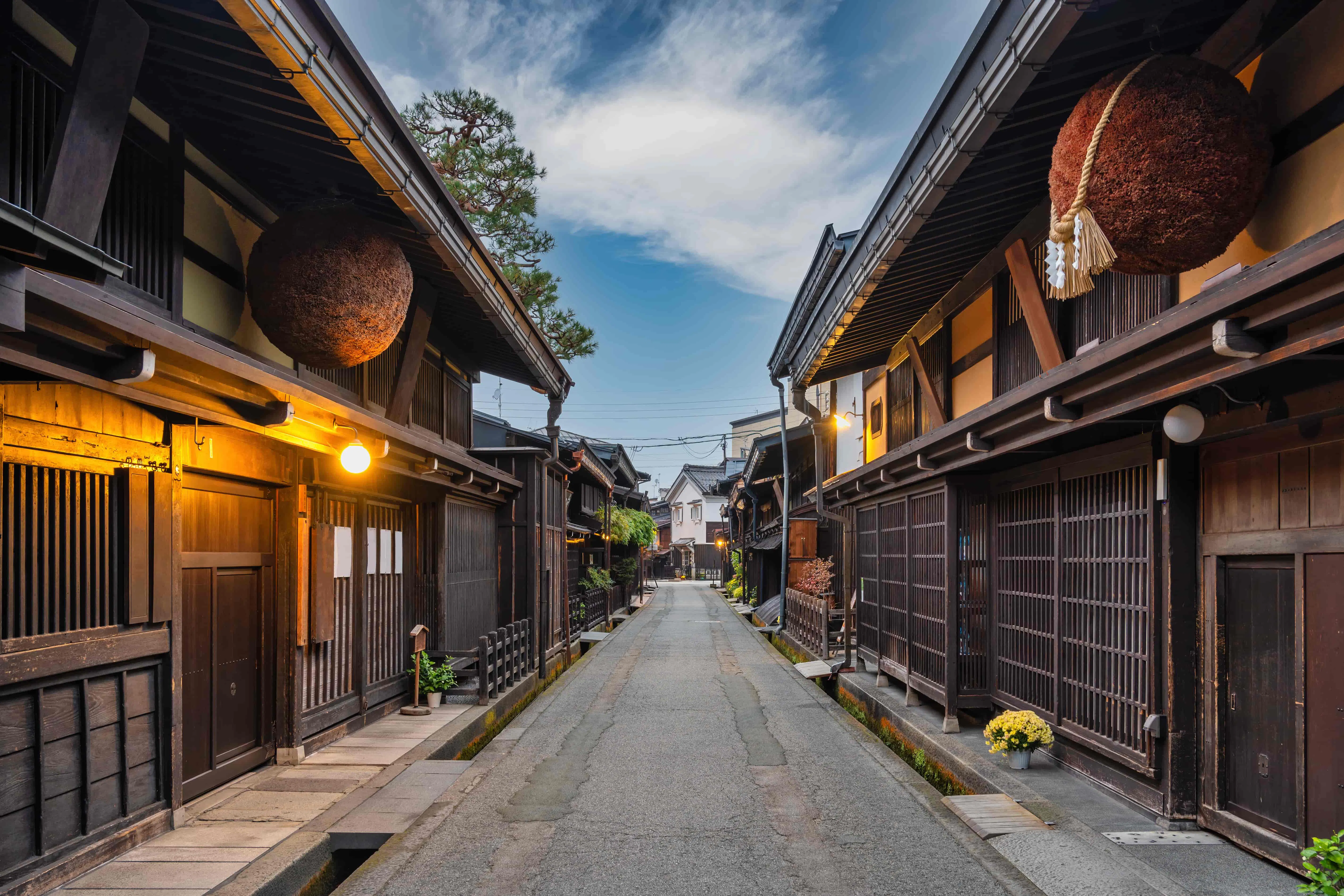
Takayama Old Town
This historic district features Edo-period merchant houses and traditional sake breweries that complement the rural architecture of Shirakawa-go.
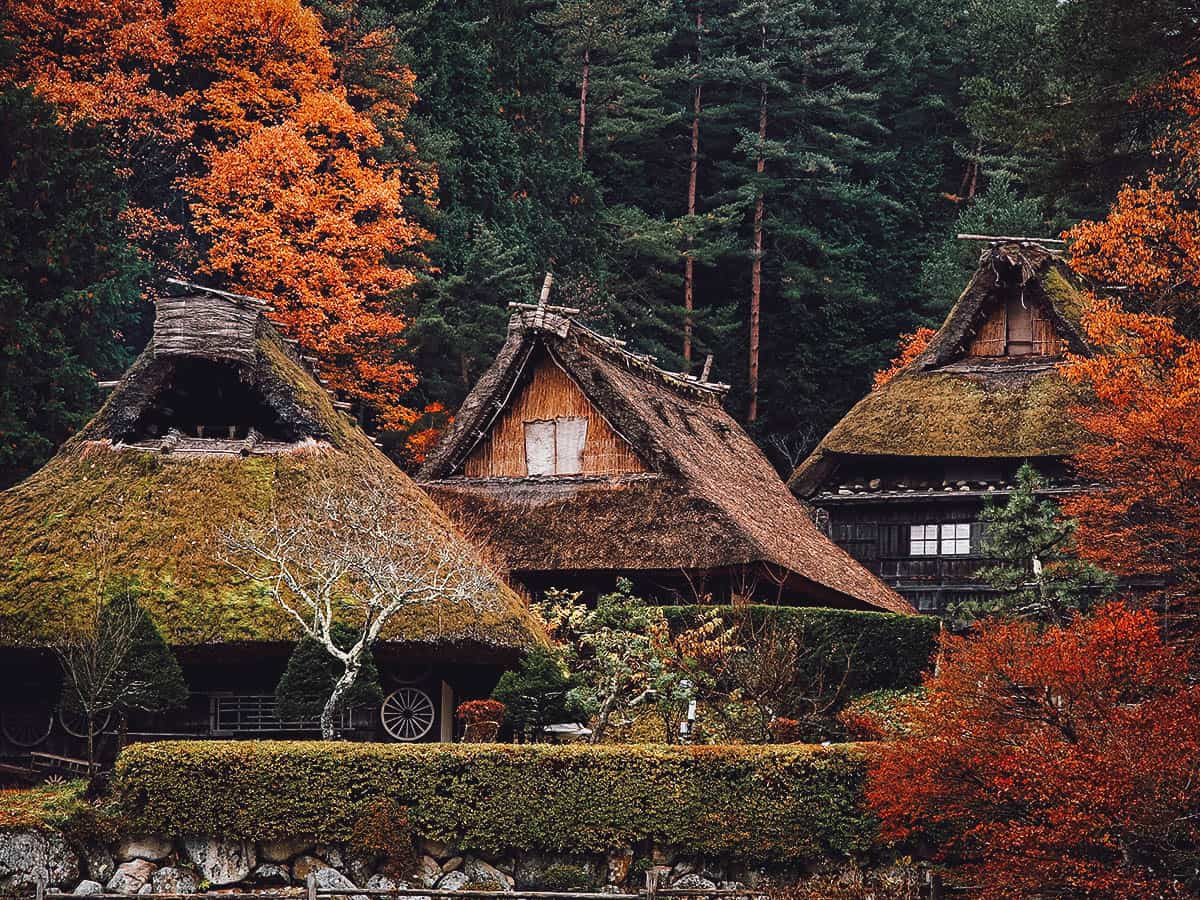
Hida Folk Village
An open-air museum in Takayama showcasing traditional thatched-roof houses similar to those found in Shirakawa-go, offering an accessible historical comparison.
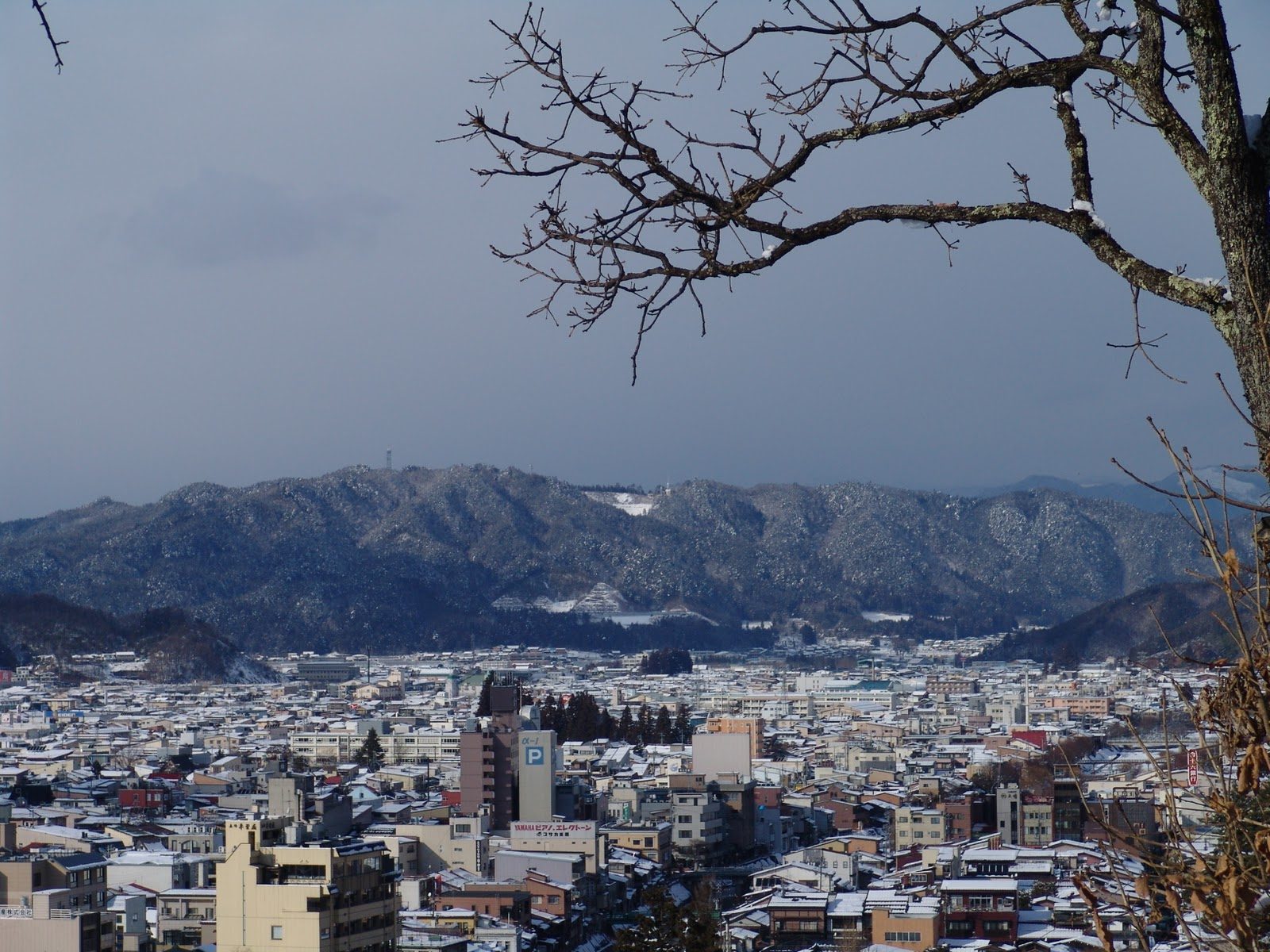
Shiroyama Park
Located in Takayama, this park offers views of the city and ruins of Takayama Castle, providing a scenic transition from your rural stay to urban sightseeing.
Check availability
Frequently Asked Questions About Staying in Shirakawa-go
Everything you need to know about can you stay in shirakawago