11 hr
Gifu Prefecture Heritage Tour: Gujo Hachiman, Takayama & Shirakawa-go
- Expert local guide
- Small group
- Skip-the-line access
- Free cancellation
Shirakawago Private Tour — Guided Ogimachi & Takayama Days
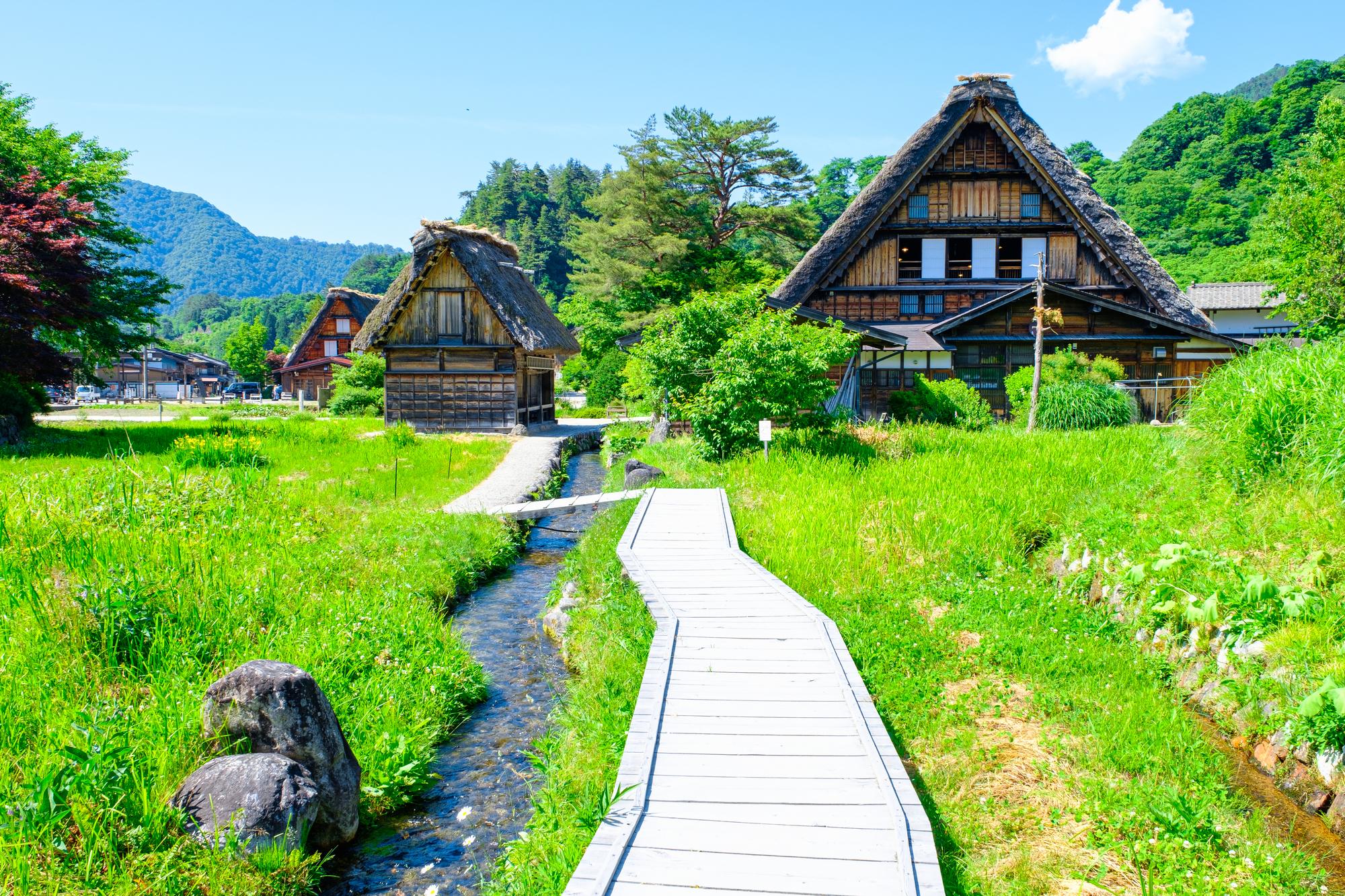
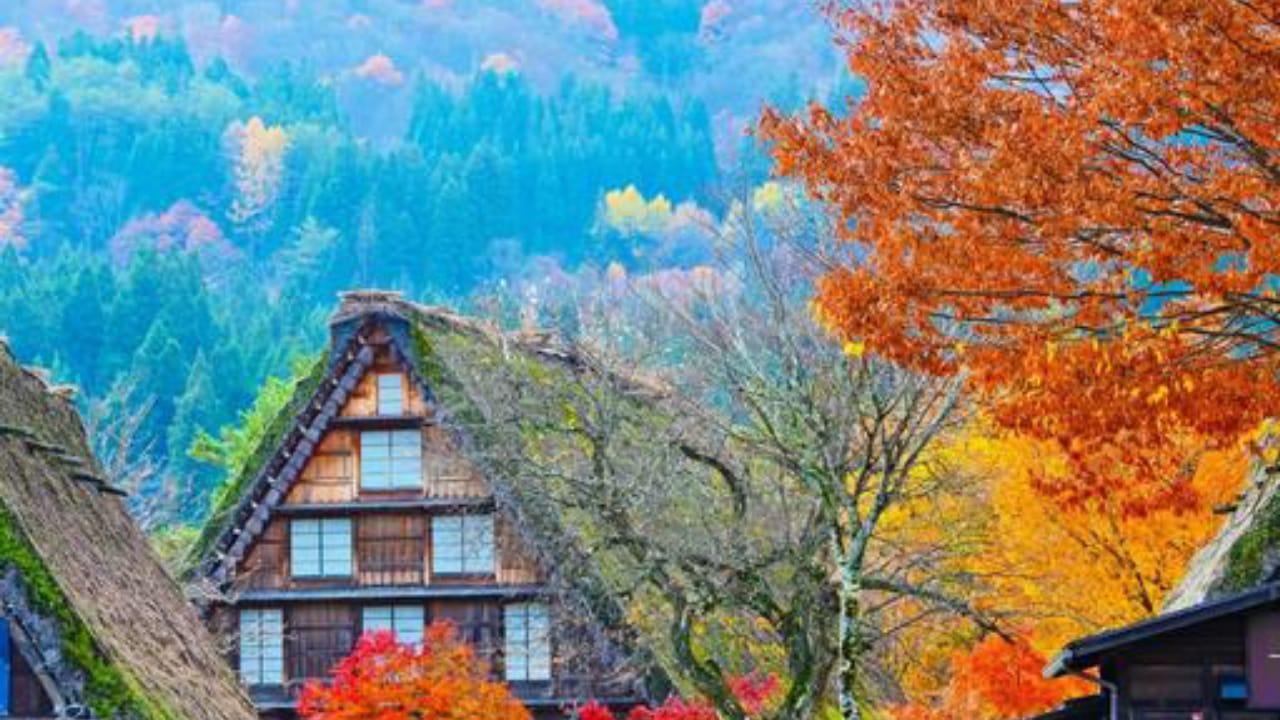
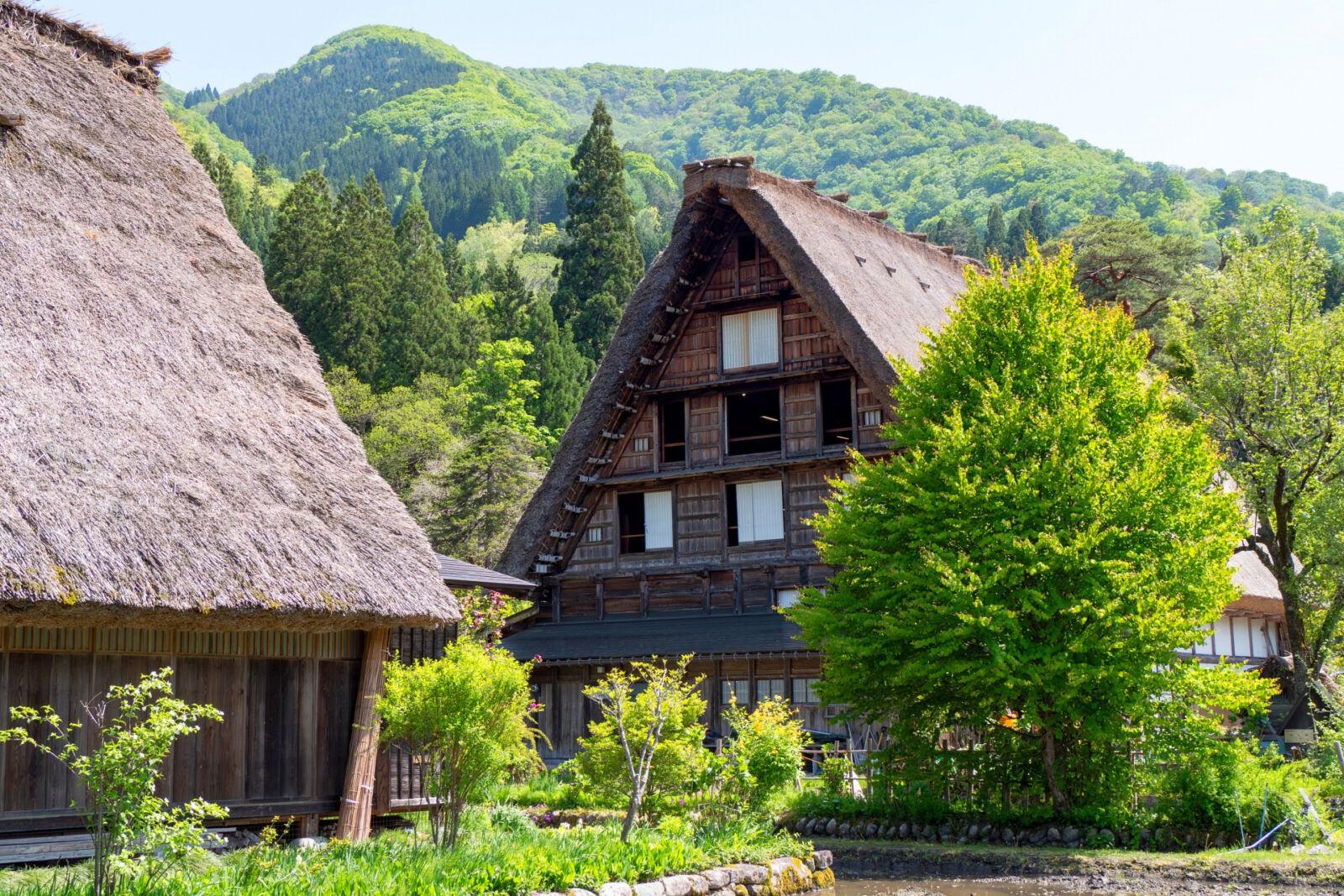
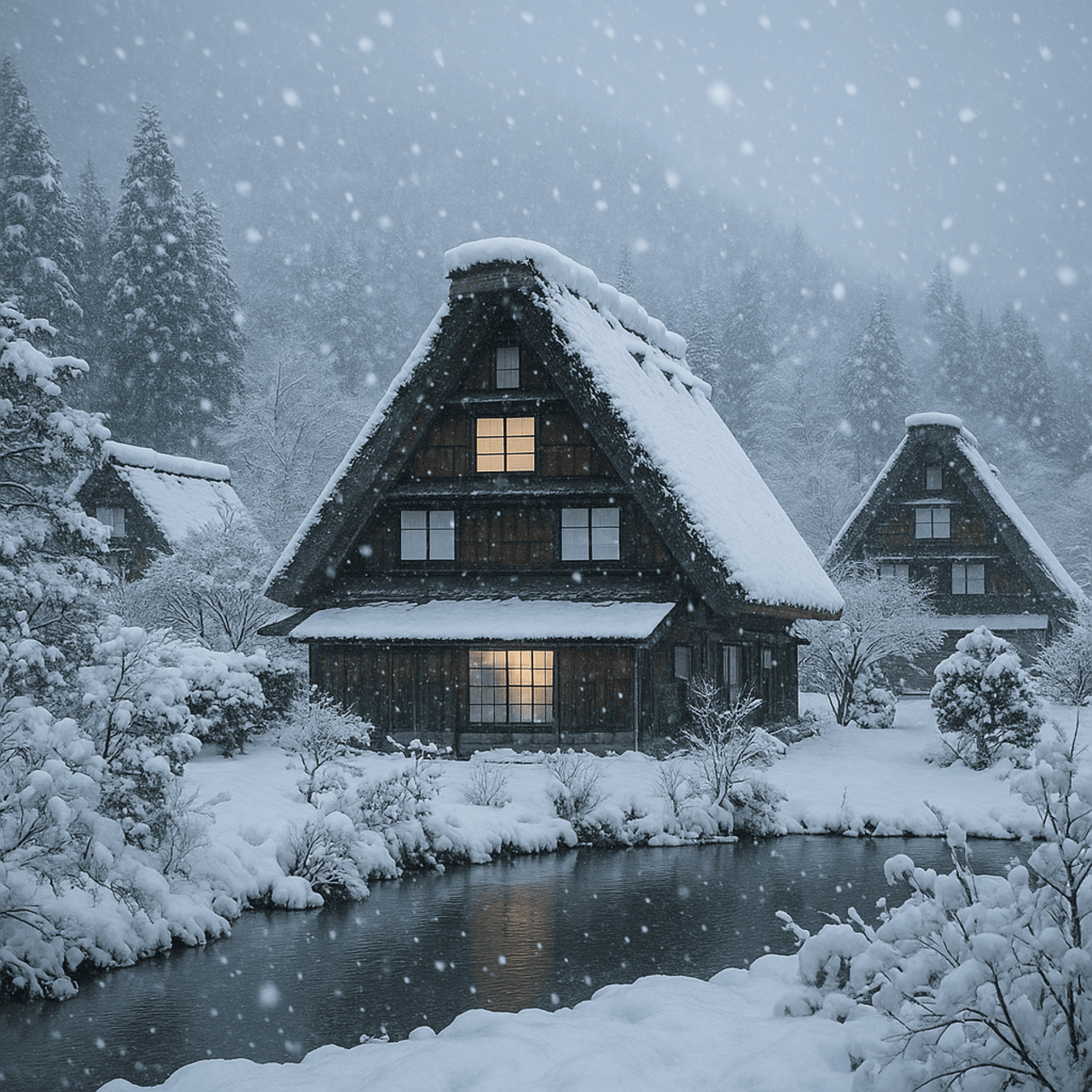
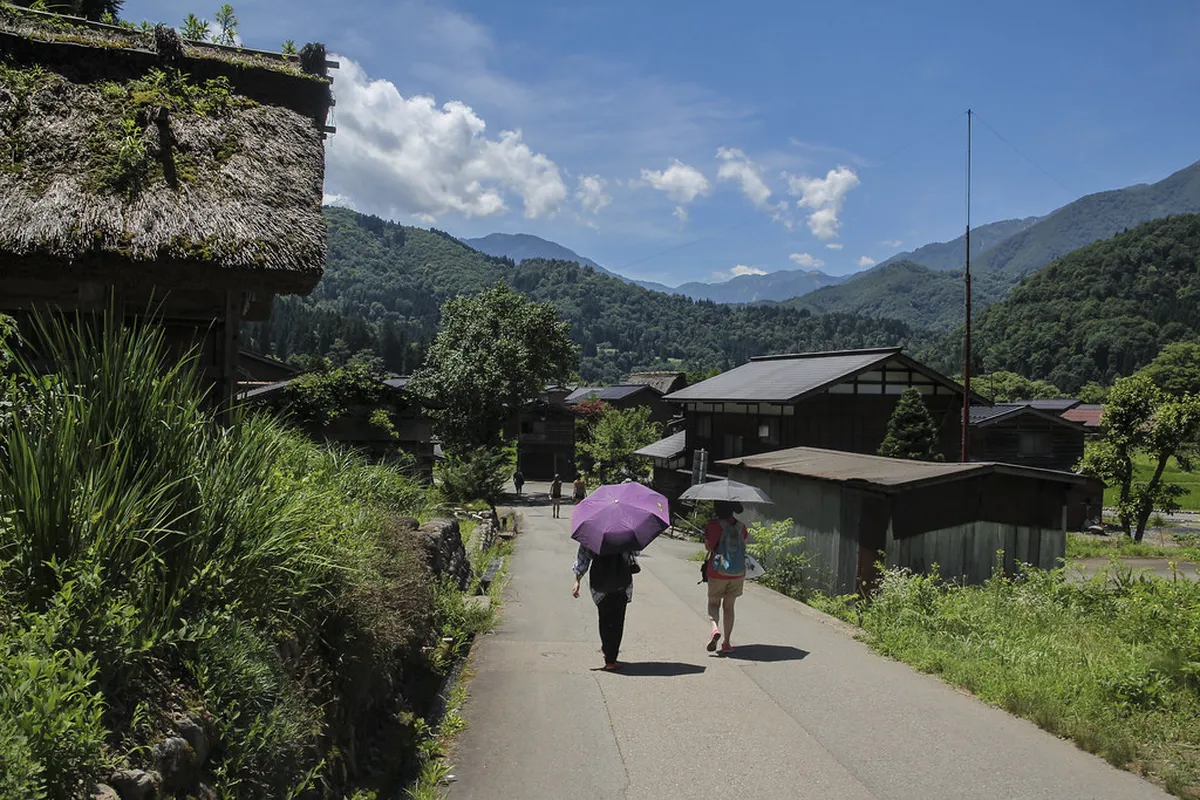
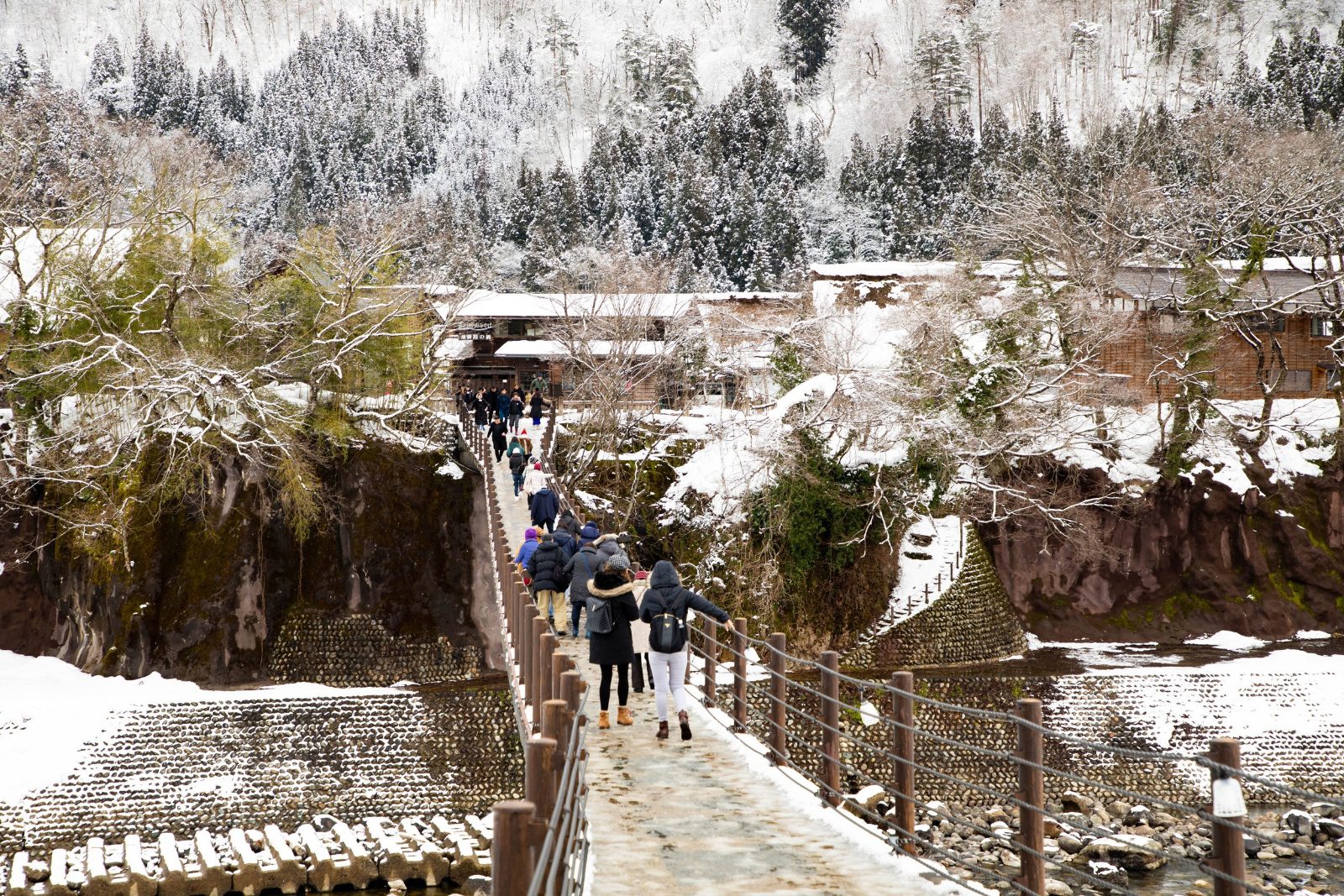
Thatch against the Shokawa valley, silence before the coaches arrive.
Compare fares, pick the fit — all bookings are mobile-voucher and eligible for free cancellation where shown.
11 hr
24 hr
24 hr
| Experience | Duration | Rating | Skip-the-line | Guide | Small group | Free cancel. | Price | |
|---|---|---|---|---|---|---|---|---|
|
Guided Experience
Most popular
Gifu Prefecture Heritage Tour: Gujo Hachiman, Takayama & Shirakawa-go
|
11 hr | ★ 4.5 | ✓ | ✓ | ✓ | ✓ | €52 | Book → |
|
Guided Experience
Takayama and Shirakawa-go Guided Day Tour
|
24 hr | ★ 4.8 | ✓ | ✓ | ✓ | ✓ | €133 | Book → |
|
Luxury / Private
Private Shirakawa-go & Takayama Alpine Day Tour
|
24 hr | ★ 4.8 | — | — | — | ✓ | €440 | Book → |
They complement each other; most visitors who do both call independent travel the more flexible option for exploring this UNESCO heritage site, while a shirakawago private tour offers superior logistical convenience.
|
Top pick Private Tour |
Public Transit | |
|---|---|---|
| Transportation Flexibility | Door-to-door vehicle service | Fixed bus schedule timing |
| Time Efficiency | Optimized direct routes | Frequent transfer waits |
| Cost | High premium service | Low cost per passenger |
| Logistical Planning | All arrangements handled | Self-managed transit bookings |
| Access to Remote Viewpoints | Easy access to observation decks | Limited to bus stop proximity |
| See tickets & prices |
Verdict: Choose a shirakawago private tour tour if you prioritize comfort and efficiency, or utilize shirakawago private tour tickets for public buses if you prefer a lower budget and flexible independent exploration with your shirakawago private tour tours.
Hand-picked experiences loved by thousands of travelers
7 hours
Free Cancellation
Explore the iconic thatched-roof villages of Gokayama and Shirakawago on a scenic 7-hour journey from Takayama.
8 hours
Free Cancellation
Explore UNESCO-listed heritage villages and historical Takayama at your own pace with a private driver-guide.
1 day
Free Cancellation
Discover three historic Japanese alpine villages, try traditional papermaking, and enjoy flexible drop-off options.
8 hours
Free Cancellation
Discover historic UNESCO villages and Edo-period streets on a private, customizable day tour from Kanazawa.
8 hours
Free Cancellation
Explore historic Shirakawa-go and Takayama on a fully customizable, private day trip from Kanazawa.
Approximately 12 hours
Free Cancellation
Discover UNESCO-listed thatched farmhouses and historic Edo-period streets on a private day trip to Gifu Prefecture.
2 hours
Free Cancellation
Discover the UNESCO-listed farmhouses of Shirakawa-go on a guided half-day excursion from Takayama.
8.5 hours
Free Cancellation
Explore Japan's historic mountain villages and historic streets on a private, customizable full-day tour from Kanazawa.
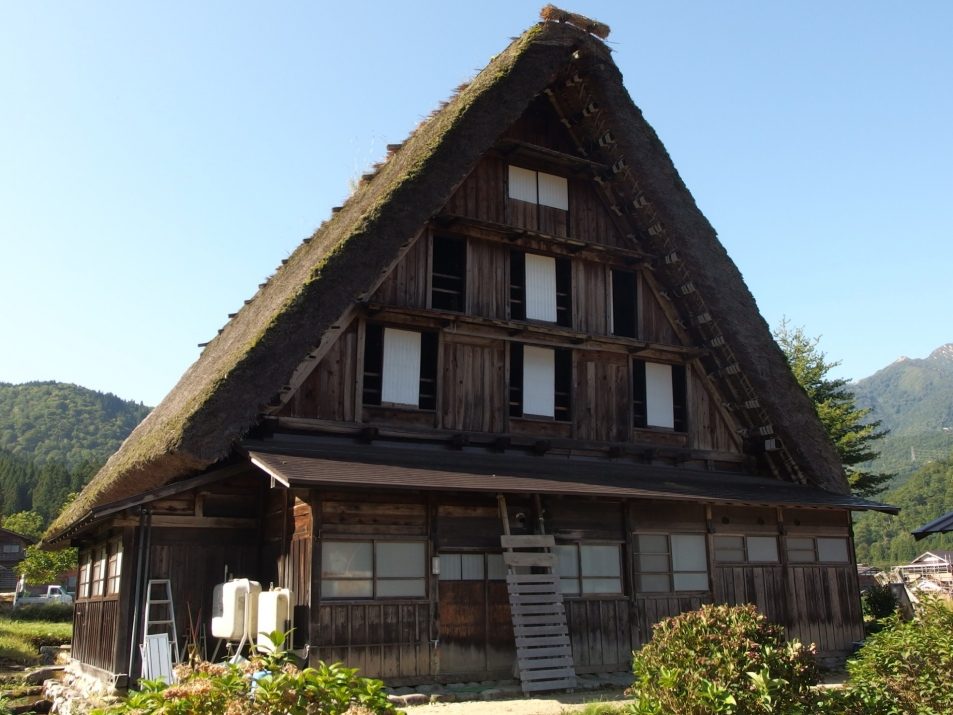
Built in the Edo period, this is the largest farmhouse in the village.
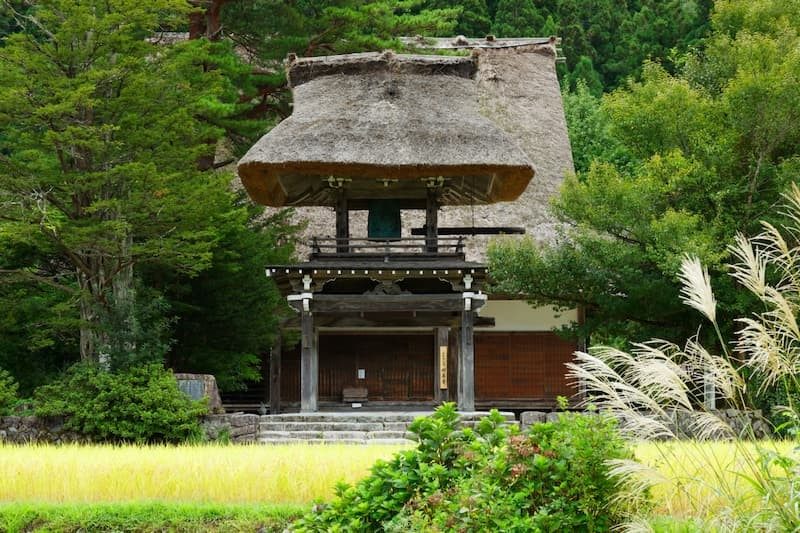
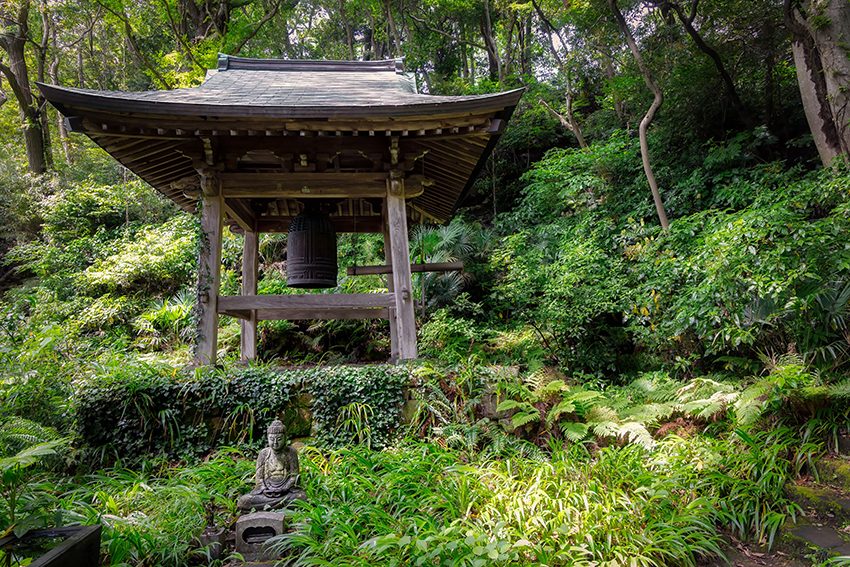
This structure features a unique thatched roof and historic bell tower.
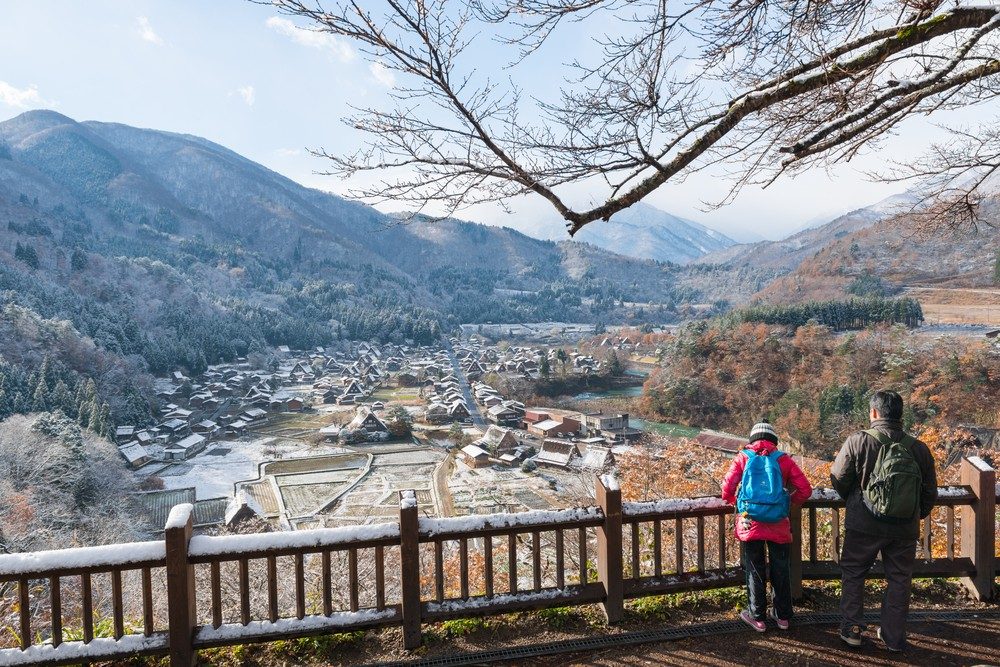
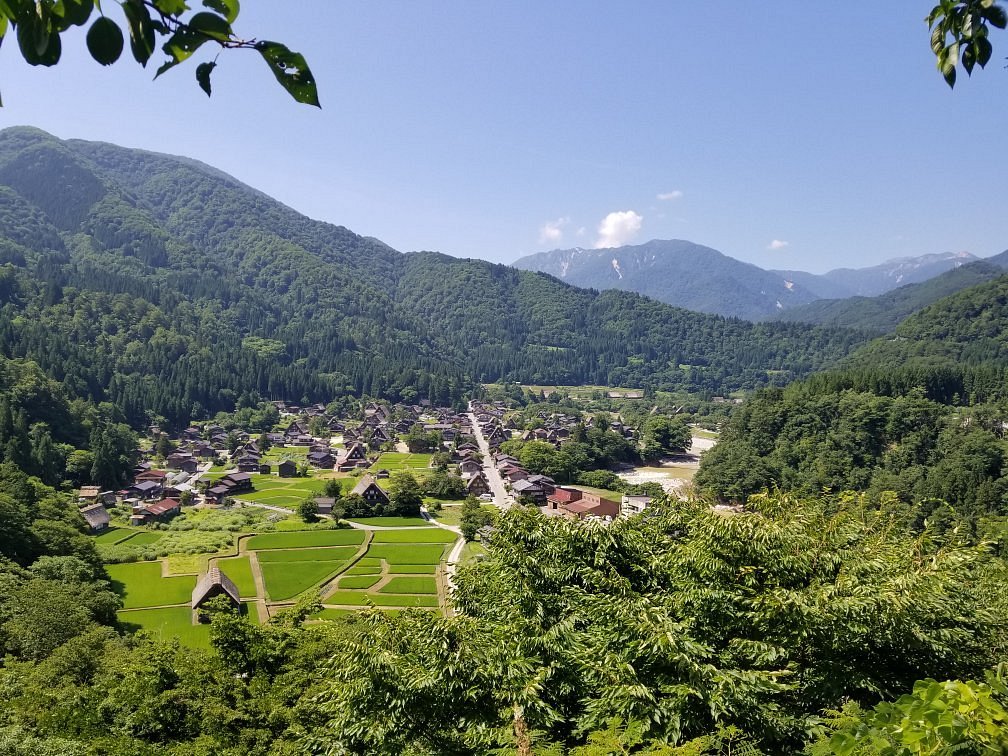
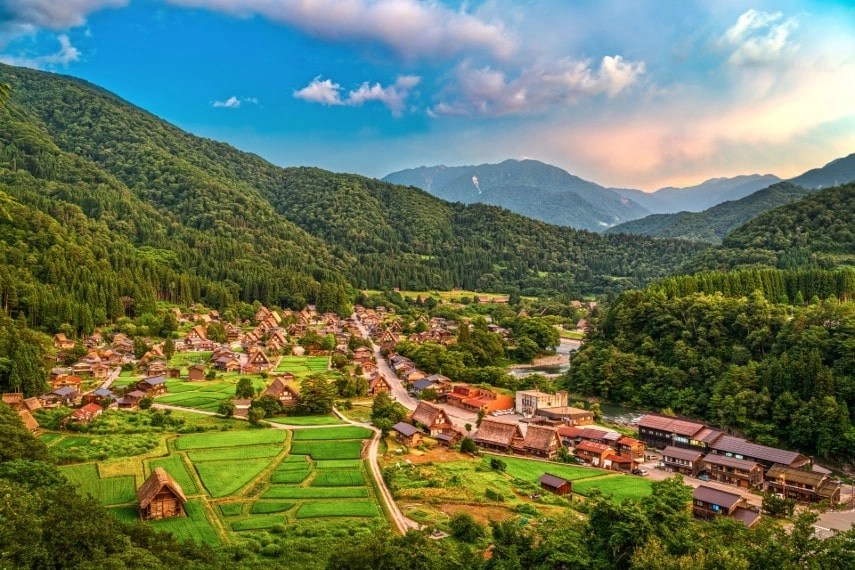
The best vantage point to see the gassho-style roofs from above.
Known for its five-story design and silkworm farming history.
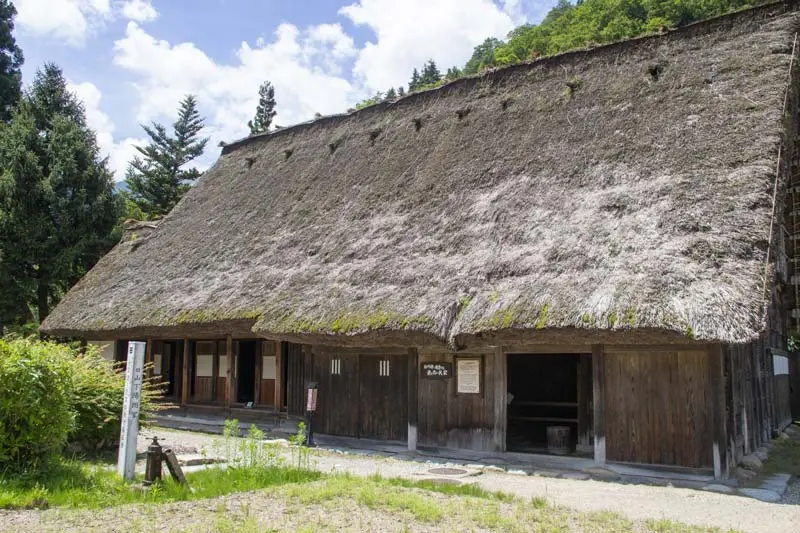
An outdoor museum showcasing moved historic homes and structures.
You reach Ogimachi between 08:00 and 10:00, the window that spares you the peak daytime crowds and secures a parking space before the lot tightens. The valley air is still cool. Mist lifts off the Shokawa in threads.
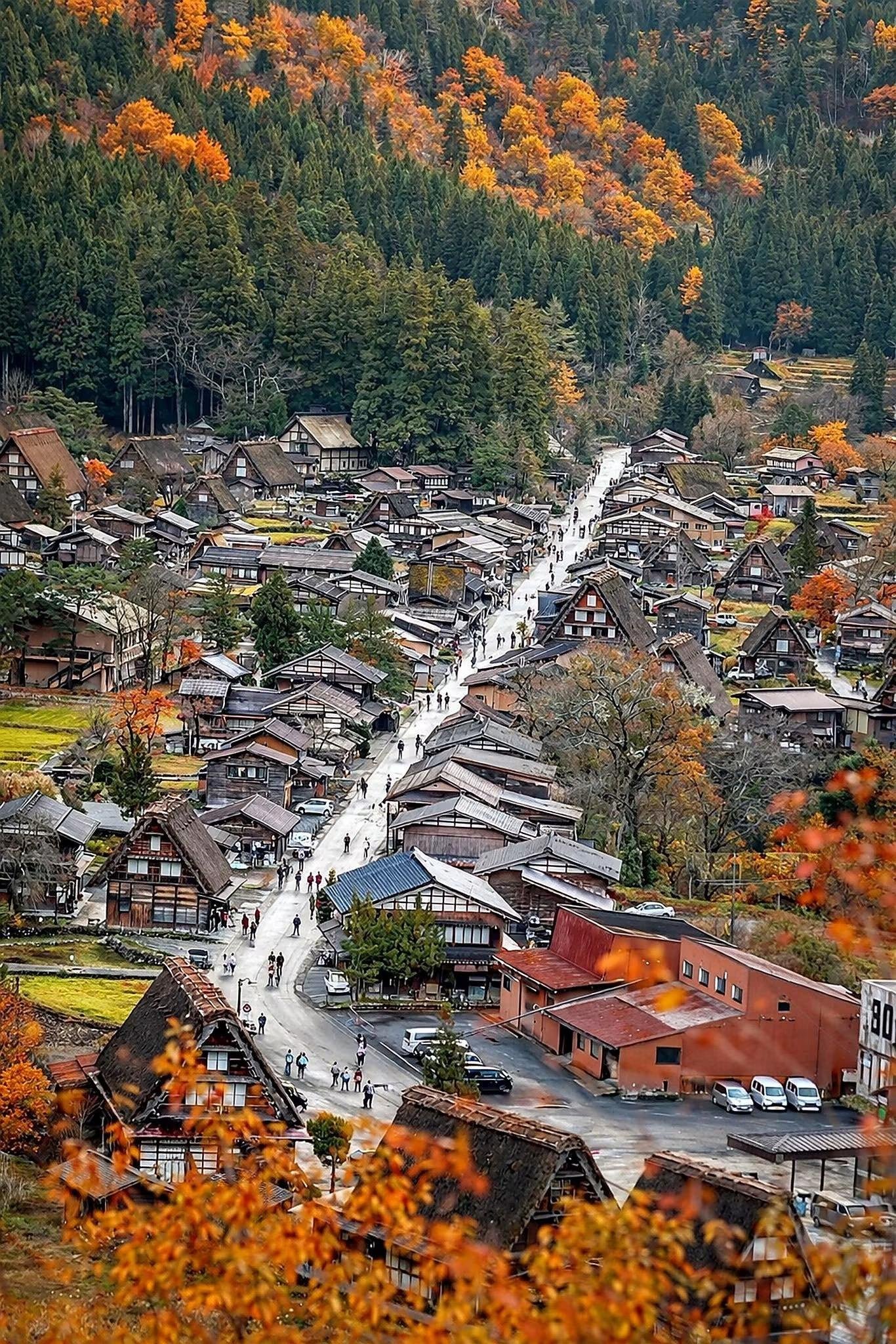
You cross the suspension bridge first — it sways under your weight, and the whole village opens ahead: 59 thatched roofs in staggered rows, paddy water flashing between them. You walk the lanes with your guide, who stops at a beam junction to show you the rope lashing that lets a roof breathe. Entry costs nothing; you paid only to park.
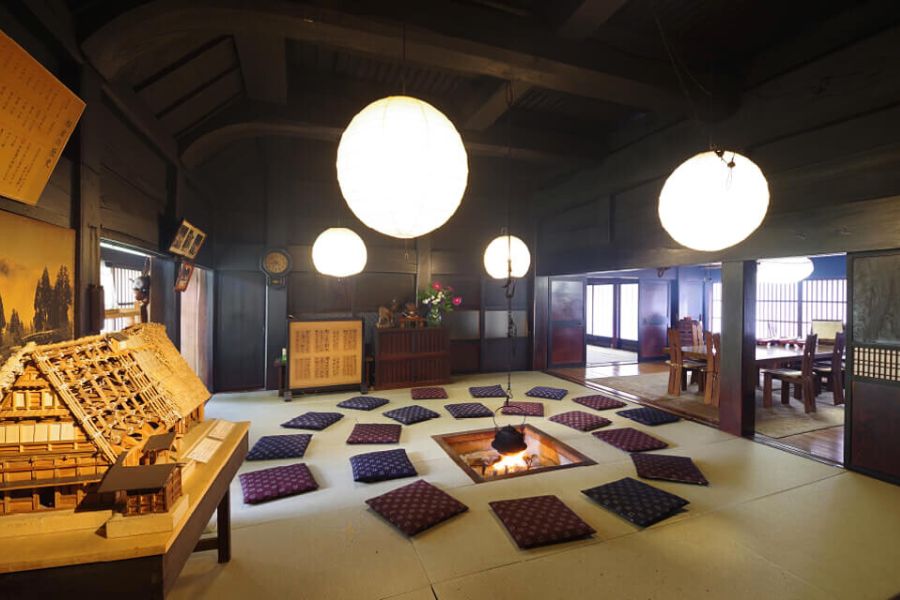
Inside a farmhouse, you climb a ladder-stair to the third-floor attic. Your eyes adjust. Silk-rearing trays, rope, and the smoke-blackened underside of forty years of thatch. Downstairs, the irori hearth is lit, and the smell of it stays in your jacket all afternoon.
By mid-morning you are walking uphill toward the Ogimachi Castle lookout, twelve minutes of switchback, and the village resolves into the shape everyone knows. You linger. You come down slowly.
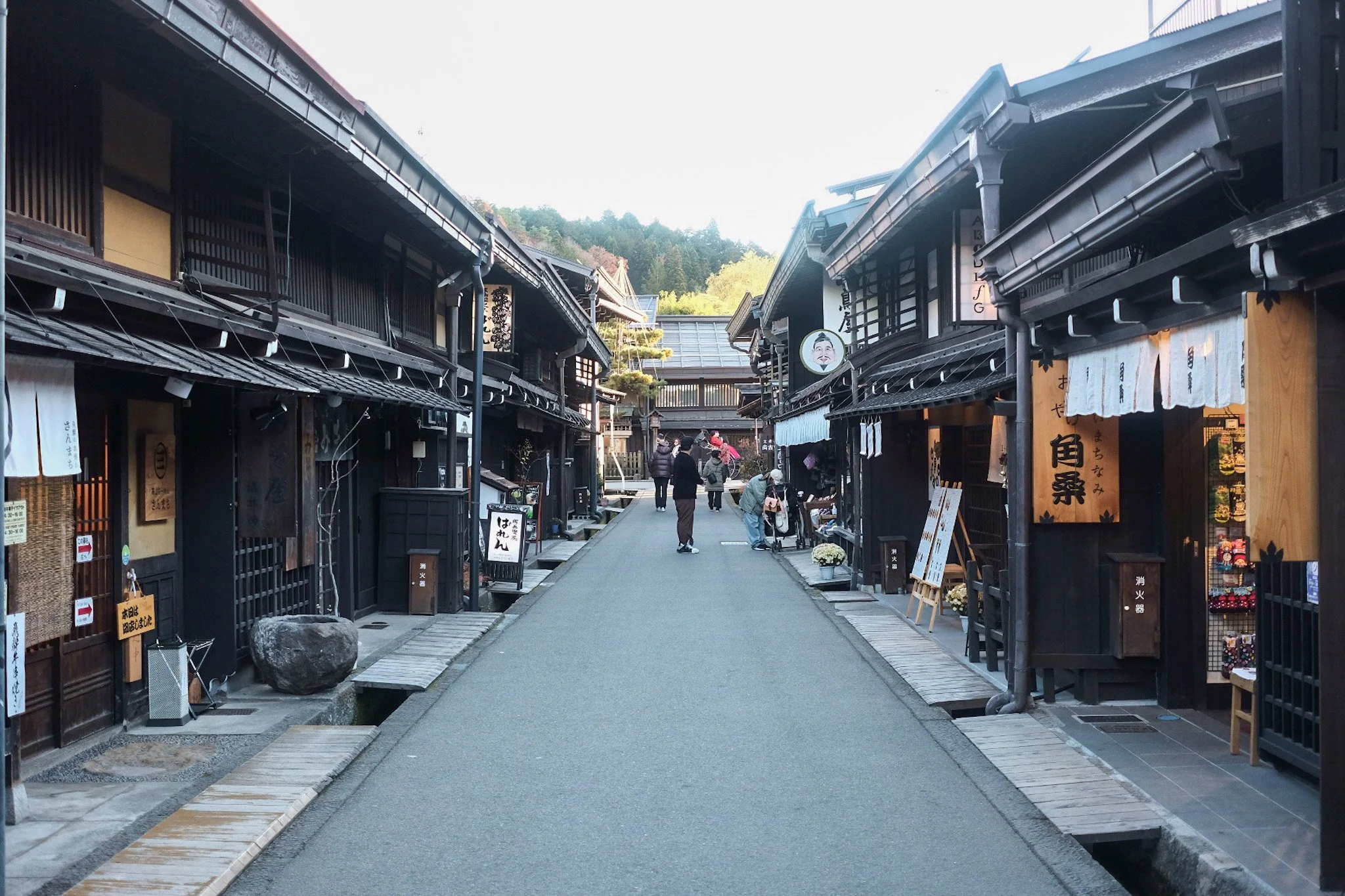
Afternoon on a shirakawago private tour usually pivots east to Takayama's merchant quarter — the natural pairing, and the reason a private tour to Shirakawago from Kanazawa or Nagoya often threads both in one day. The village closes to visitors at 17:00, and by then you are already back in the lanes of a different century.
All the details about your upcoming adventure in one place
A shirakawago private tour pairs the UNESCO World Heritage gassho-zukuri village of Ogimachi with the merchant lanes of Takayama's Sanmachi Suji, travelling by private vehicle through the Hida mountains. Your guide handles the Shogawa river valley route, the Wada House interior, and the Shiroyama viewpoint climb, so shirakawago private tour tickets cover entry arrangements without queue guesswork. Groups stay small, which keeps the pace flexible across both the thatched farmhouses and the Hida-Takayama old town.
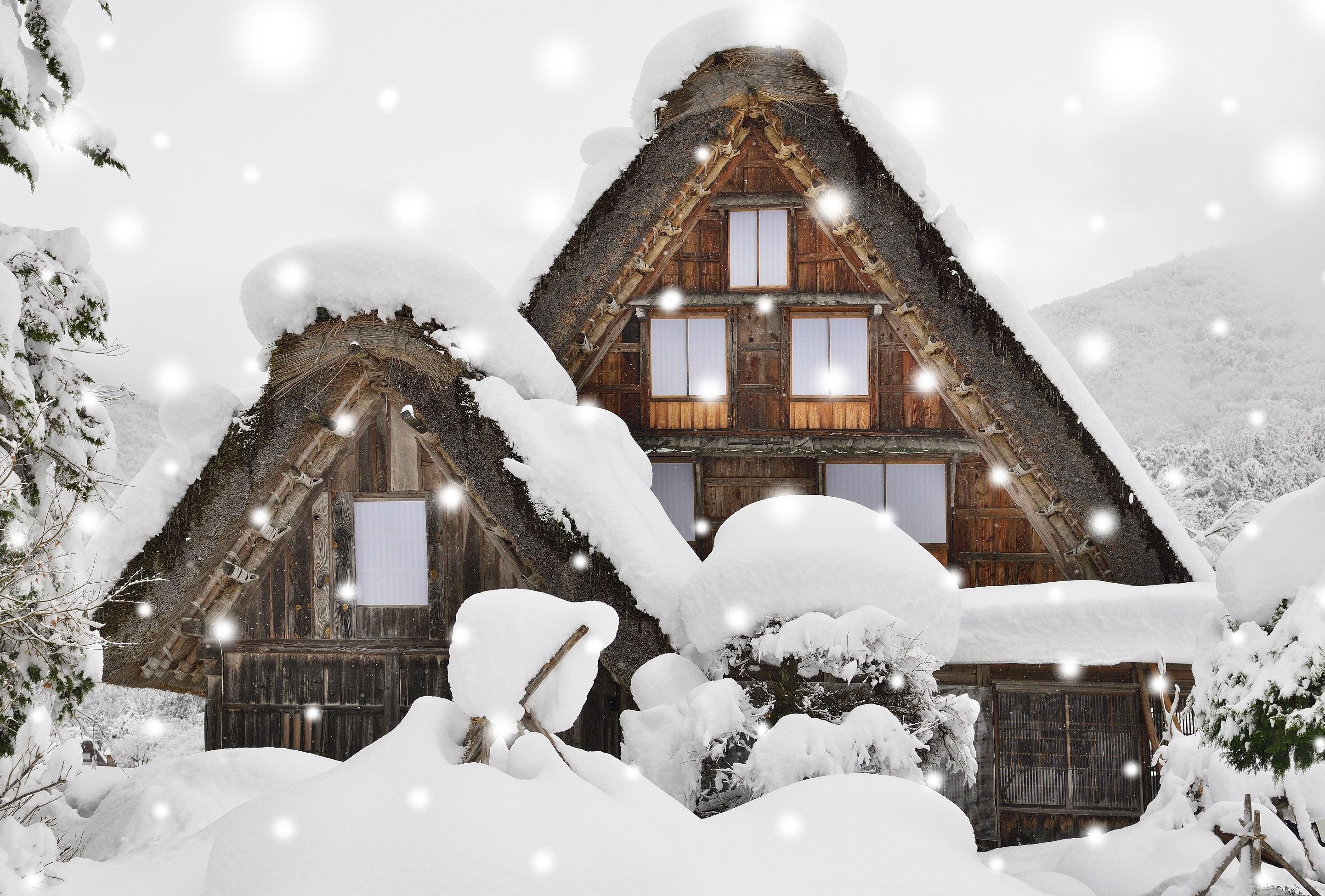
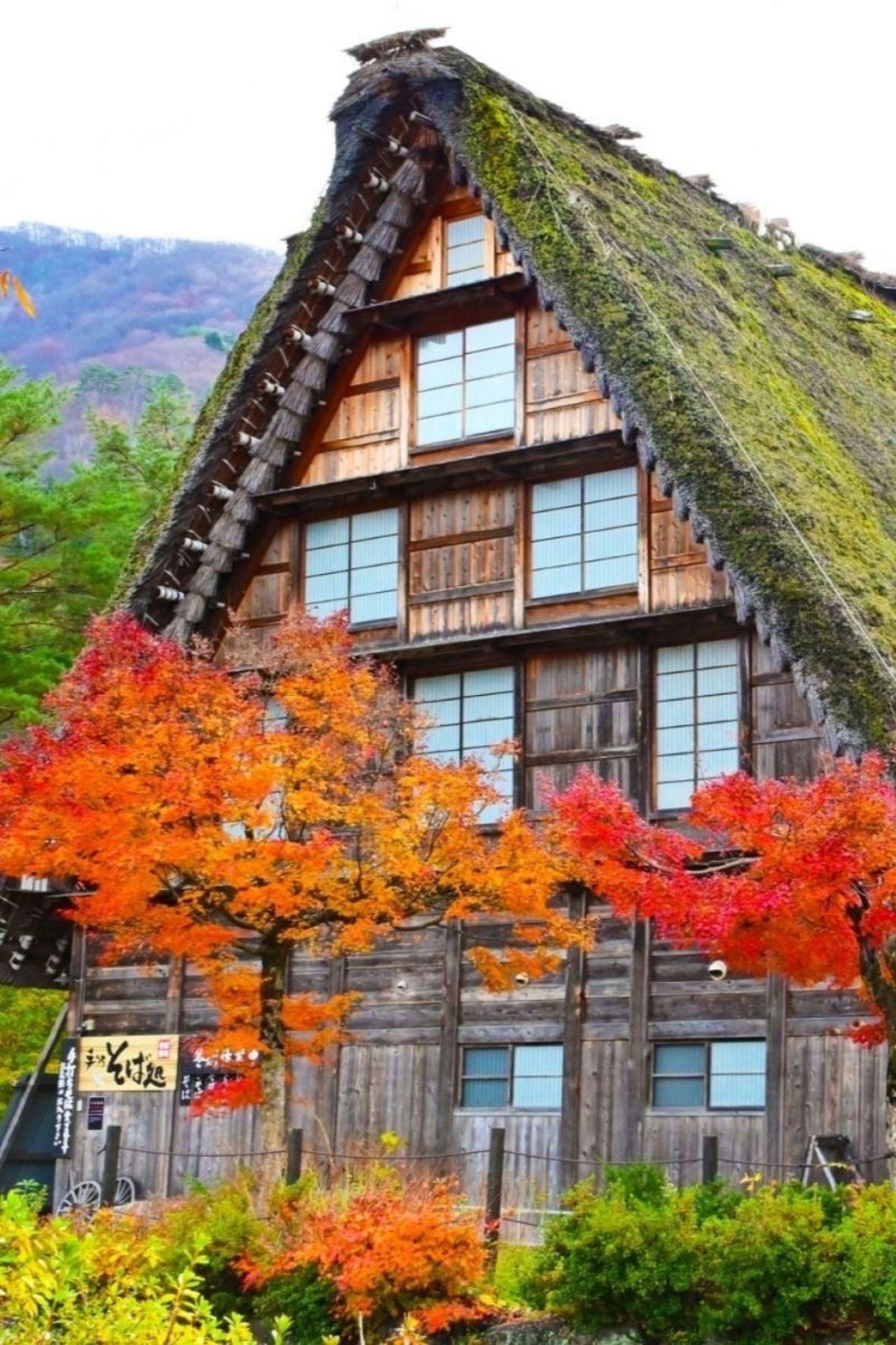
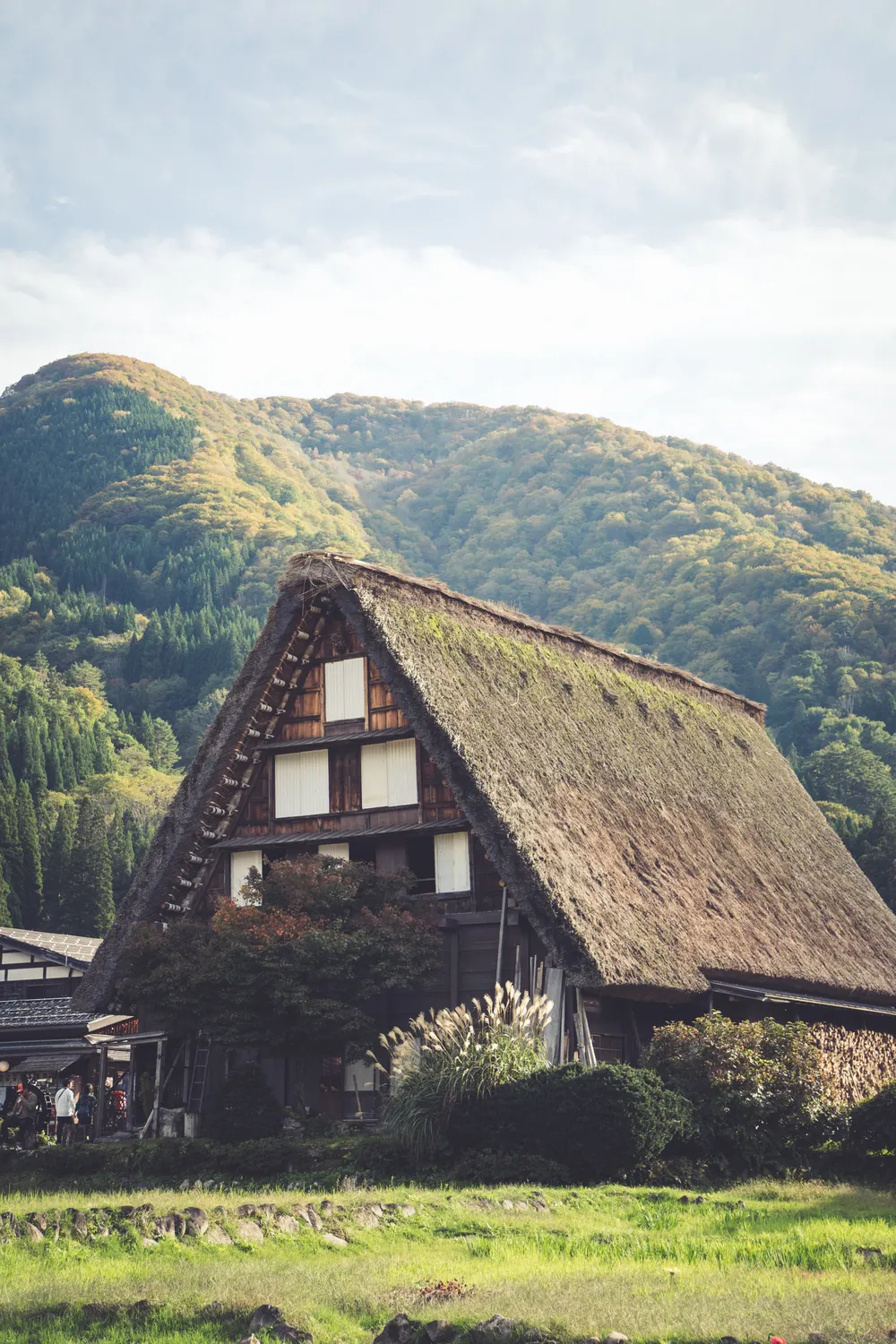
A gassho-zukuri roof carries up to two metres of snow and is rebuilt without a single nail. The pitch — close to sixty degrees — is not decorative. It is engineering, tuned to a valley that receives some of the heaviest snowfall of any inhabited place on earth.
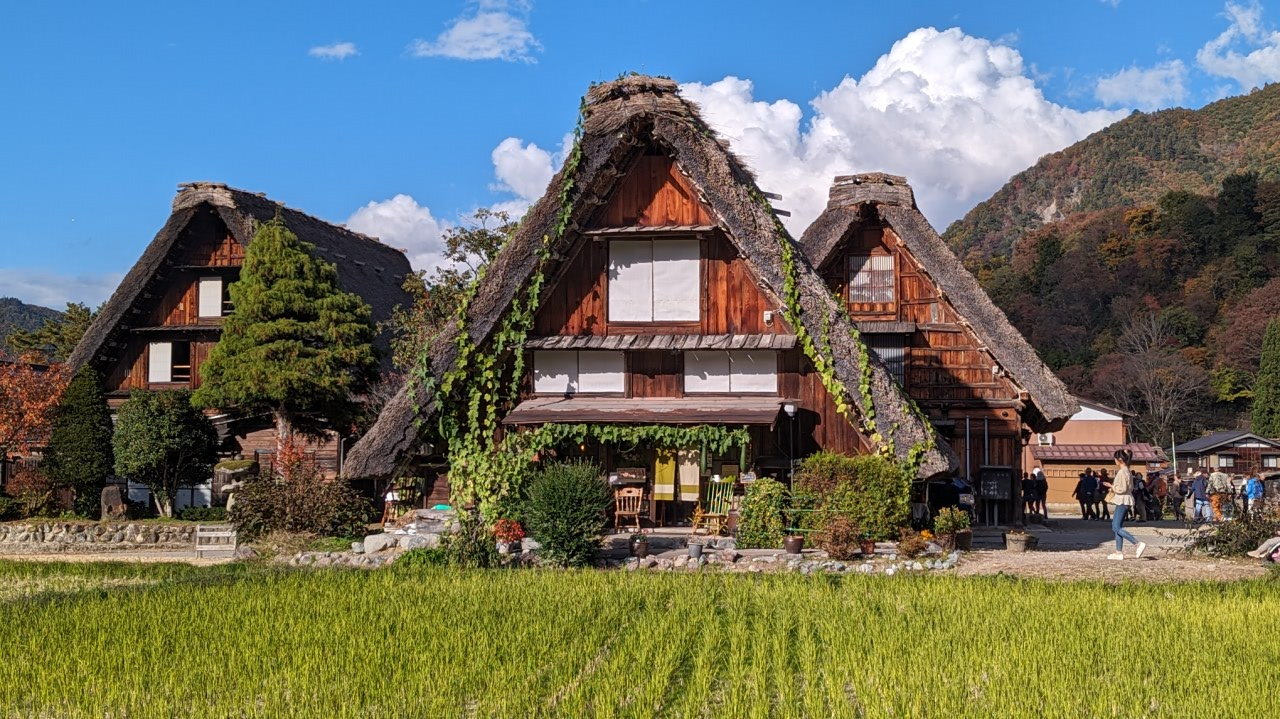
Ogimachi sits along the Shokawa River in Ono-gun, Gifu Prefecture, hemmed by the Ryohaku mountains. The village was inscribed on the UNESCO World Heritage list in 1995 alongside neighbouring Gokayama. Its farmhouses, some more than 250 years old, were once workshops as much as homes: the vast attics beneath those roofs housed sericulture, and the floors below stored nitre for gunpowder. A shirakawago private tour tends to begin with that fact, because it reframes the postcard. These are not cottages. They are vertical factories with families living in the basement.
What keeps the place alive is a covenant rather than a museum charter. Since 1971 residents have held to a rule of not selling, not renting, not destroying. Roofs are still rethatched communally under the yui system, some fifty to two hundred neighbours working a single house across two days, consuming several tonnes of susuki grass. Around 600 people still live here. That is why entry to the village costs 0 JPY — you are walking through an occupied settlement, not a ticketed site, and the parking fee that is charged goes toward conservation.
The architecture rewards slow looking. Ridge beams lashed with straw rope flex rather than snap under load. Smoke from the irori hearth cures the underside of the thatch, blackening timber and repelling insects across generations. Wada House, the largest surviving residence, belonged to a family enriched by the nitre trade. The Myozenji temple bell tower wears the same thatch as the farmhouses around it — a rare instance of sacred and domestic building sharing one roofing vocabulary.
Context matters for anyone weighing whether Shirakawago is worth visiting from a distance. The village lies deep in the Japanese Alps; travellers asking how far Shirakawago is from Tokyo are usually looking at a full day each way by rail and coach, which is why a shirakawago private tour from Nagoya, a shirakawago private tour from Kanazawa, or the shorter run on a shirakawago private tour from Takayama remain the practical approaches. Guided shirakawago private tour tours exist because the valley is legible only with someone to read it aloud. The gates open at 08:00 and the village settles again at 17:00, seven days a week.

These are not cottages — they are vertical factories with families living in the basement.
Dress comfortably for walking on gravel paths and uneven terrain. Wear layers appropriate for mountain weather in the Gifu Prefecture.
Backpacks are recommended over suitcases for navigating village lanes. Lockers are located at the bus terminal for large luggage.
Respect the privacy of residents; do not photograph into homes. Drones are strictly prohibited throughout the World Heritage site.
Family-friendly environment with walking paths and educational displays. Use caution near rice fields and water channels.
The village center has flat areas but includes sloped paths and gravel. Shuttle buses provide access to the observation area.
Street food waste should be returned to the vendor of purchase. Indoor dining is available in designated historic farmhouses.
Opening hours
08:00–17:00
Address
Ogimachi, Shirakawa-mura, Ono-gun, Gifu Prefecture 501-5627, Japan
Accessibility
Walking village paths; shuttle bus available to observatory
Best arrival
08:00–10:00
Storage
Coin lockers at bus terminal
Public transport · 50 min · 5200 JPY round trip
Highway bus from Takayama Station to Shirakawa-go Bus Terminal
Private tours typically require cancellation 72 hours in advance for a full refund. Village entry remains 0 JPY, though parking fees support site conservation.
Recommended time
3-4 hours
Planning a shirakawago private tour allows for a more flexible pace when traveling from Takayama to explore the gassho-zukuri farmhouses. We recommend arriving during the 08:00–10:00 window to enjoy the UNESCO heritage site before day-tripper buses arrive. Securing shirakawago private tour tours in advance helps manage transport logistics, though individual schedules should account for the lack of formal shirakawago private tour tickets required for village entry. Adjust your stay to include more time if you plan to hike to the observation deck or visit the interior of preserved gassho-zukuri structures.
Crowd levels through the day
Weather · crowds · average price — dots go green to amber to red as each metric rises.
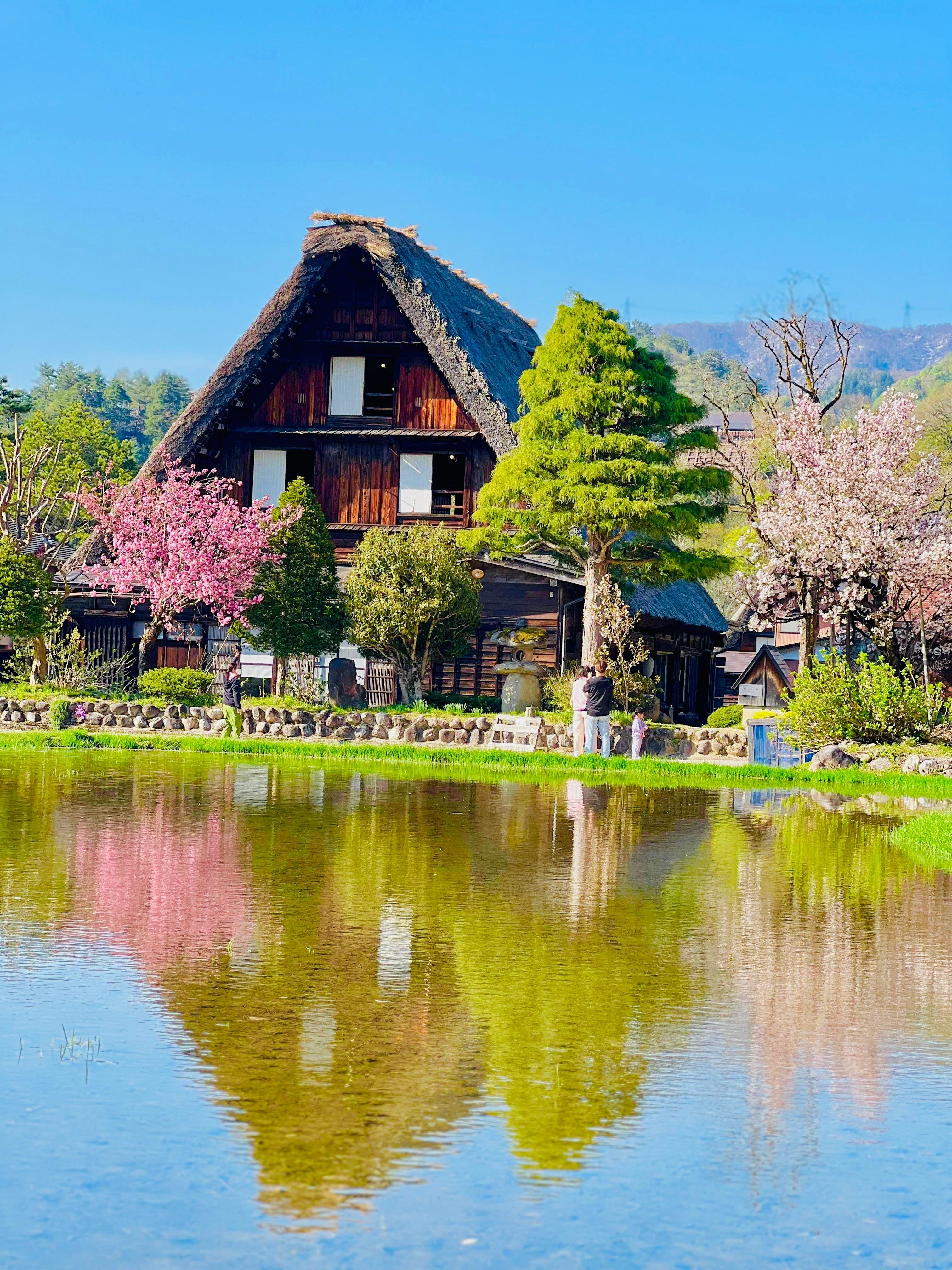
Enjoy cherry blossoms and fresh green foliage across the village
Arrive before 10:00 to avoid peak crowds and secure parking.
Ogimachi, Shirakawa-mura, Gifu 501-5627
Main arrival point for most visitors
Get directionsThe gassho-zukuri form emerged from necessity. Steep thatched roofs, pitched near sixty degrees, shed the heavy snowfall that buries the Shogawa valley each winter. Builders used no nails. Beams were lashed with straw rope and hazel withies, allowing the frame to flex under load. Ogimachi's largest surviving houses date from the late Edo period; the Wada family residence, built by the village headman's line, is generally placed in the 18th century and remains the settlement's oldest documented dwelling. Upper floors were not lofts but workshops. Sericulture filled them, and beneath the floorboards villagers produced saltpetre for gunpowder, a trade that funded the timber and labour these structures demanded. The near-disaster came with modernity. Dam construction on the Shogawa from the 1950s submerged neighbouring hamlets, and dozens of farmhouses were dismantled, sold, or relocated. Depopulation followed. In 1971 residents formed a preservation association and adopted three principles — do not sell, do not rent, do not destroy — a covenant still binding on Ogimachi households. The state designated the area an Important Preservation District in 1976. UNESCO inscribed Shirakawa-go and Gokayama in December 1995. Any thoughtful shirakawago private tour should begin with that chronology, because the village exists by deliberate refusal rather than accident of survival. What survives is a working system, not a museum. Roofs are rethatched roughly every three decades through yui, the reciprocal labour pool in which the whole village turns out for a single house. Guided Shirakawa-go village tours trace this through the Wada house, the Myozenji temple bell tower, and the Ogimachi castle ruins above the terraces. Entrance to the village is free, at 0 JPY, with parking fees directed toward conservation; details are confirmed at https://shirakawa-go.gr.jp/en/ or by telephone on +81-5769-6-1013. Visitors comparing shirakawago private tour tickets will find that history, not scenery, is what most operators are actually selling — and the better shirakawago private tour tours say so plainly.
The Wada family residence is constructed in Ogimachi and remains the village's oldest documented gassho-zukuri dwelling.
Households finance construction through sericulture in the upper floors and saltpetre production beneath the floorboards.
Dam construction on the Shogawa river submerges neighbouring hamlets, and dozens of farmhouses are dismantled or relocated.
Ogimachi residents establish a preservation association under the covenant not to sell, rent, or destroy village property.
The Japanese government designates Ogimachi an Important Preservation District for Groups of Traditional Buildings.
UNESCO inscribes the historic villages of Shirakawa-go and Gokayama on the World Heritage List in December.
Rethatching continues on an approximate thirty-year cycle through yui, the village's reciprocal labour system.
This elevated vantage point offers a panoramic view of the Gassho-zukuri farmhouses nestled in the valley, accessible by a shuttle bus or a short uphill walk. It is the signature frame for every shirakawago private tour and captures the village layout perfectly.
Stand at the center of this suspension bridge to frame the flowing Shokawa River alongside the traditional timber architecture of the village in the background. It provides a unique low-angle perspective for those booking shirakawago private tour tours.
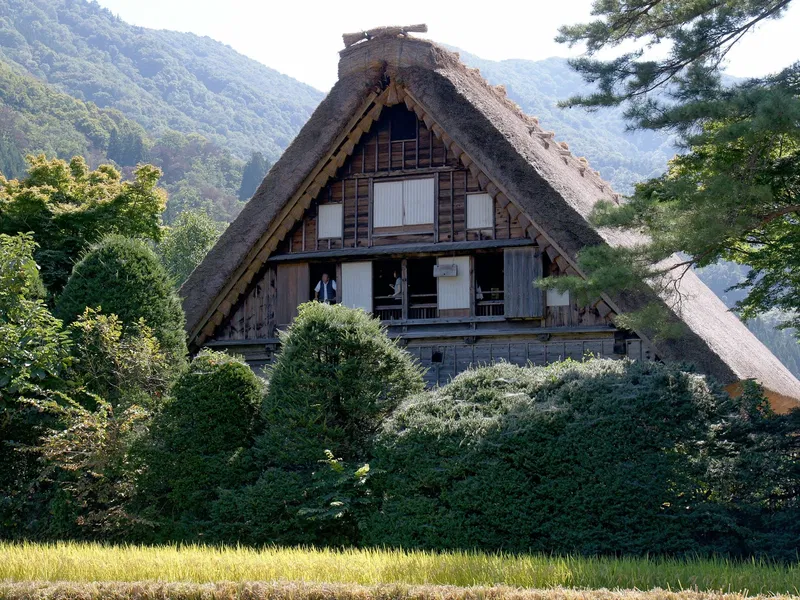
Capture the scale of these historical wooden structures by photographing the intricate thatched roof details from the ground level of this UNESCO heritage site. This spot is essential for visitors seeking architectural detail shots on a shirakawago private tour tour.
Focus on the weathered texture of the temple bell tower which creates a classic composition with the surrounding rural landscape. This site is frequently requested by photographers seeking high-quality shirakawago private tour tickets to access interior museum spaces.
Exploring Ogimachi while on a shirakawago private tour offers several opportunities to sample regional Hida specialties. Most dining venues are nestled within traditional gassho-zukuri structures, making them ideal stops for guests booking a shirakawago private tour tour.
Specializes in handmade buckwheat noodles and mountain vegetables. It is popular during lunch hours, so visitors on shirakawago private tour tours should arrive early to secure seating.
Real experiences from real travelers
Standing under a gassho-zukuri roof in person is what sold me — the thatch is easily half a metre thick and smells faintly of smoke from the hearths below. Our guide explained how neighbours still re-thatch each house together, which I would never have picked up wandering alone. The shirakawago private tour meant we could linger at the Wada House while the coach groups moved on.
We had done the Takayama old town on our own the day before and honestly missed most of it. Having a guide point out the sake brewery cedar balls and the water channels along Sanmachi Suji turned a pretty street into something we understood. Ogimachi in the afternoon was hot and humid but the valley air off the Shogawa river was cooler than the city.
I am Japanese but had never been to the Gokayama side, and our driver included Ainokura on the way back. The mountain road through the tunnels is long, so having someone else drive was worth it. Rain came in around midday and the wet thatch went almost black — oddly beautiful.
The Shirakawa-go and Takayama private tour covered a lot and our guide was patient with my parents who walk slowly. My only reservation is that the drive is genuinely long each way, so bring something to read. The Shiroyama viewpoint at the end made up for it — the whole valley of thatched roofs laid out below with paddies flooded and reflecting.
We went in early March and there was still packed snow on the north-facing thatch. Our guide grew up nearby and told us about the silkworm lofts and the saltpetre the families used to make under the floorboards. Booking shirakawago private tour tickets in advance meant we had a warm car waiting rather than queuing for a bus in the cold.
Arriving before the day-trippers meant we had the lanes almost to ourselves, just the sound of meltwater in the channels. Our guide translated the notice boards at the shrine and explained why the roofs all face the same direction against the valley wind. The gassho village tour also gave us time in Takayama's morning market area.
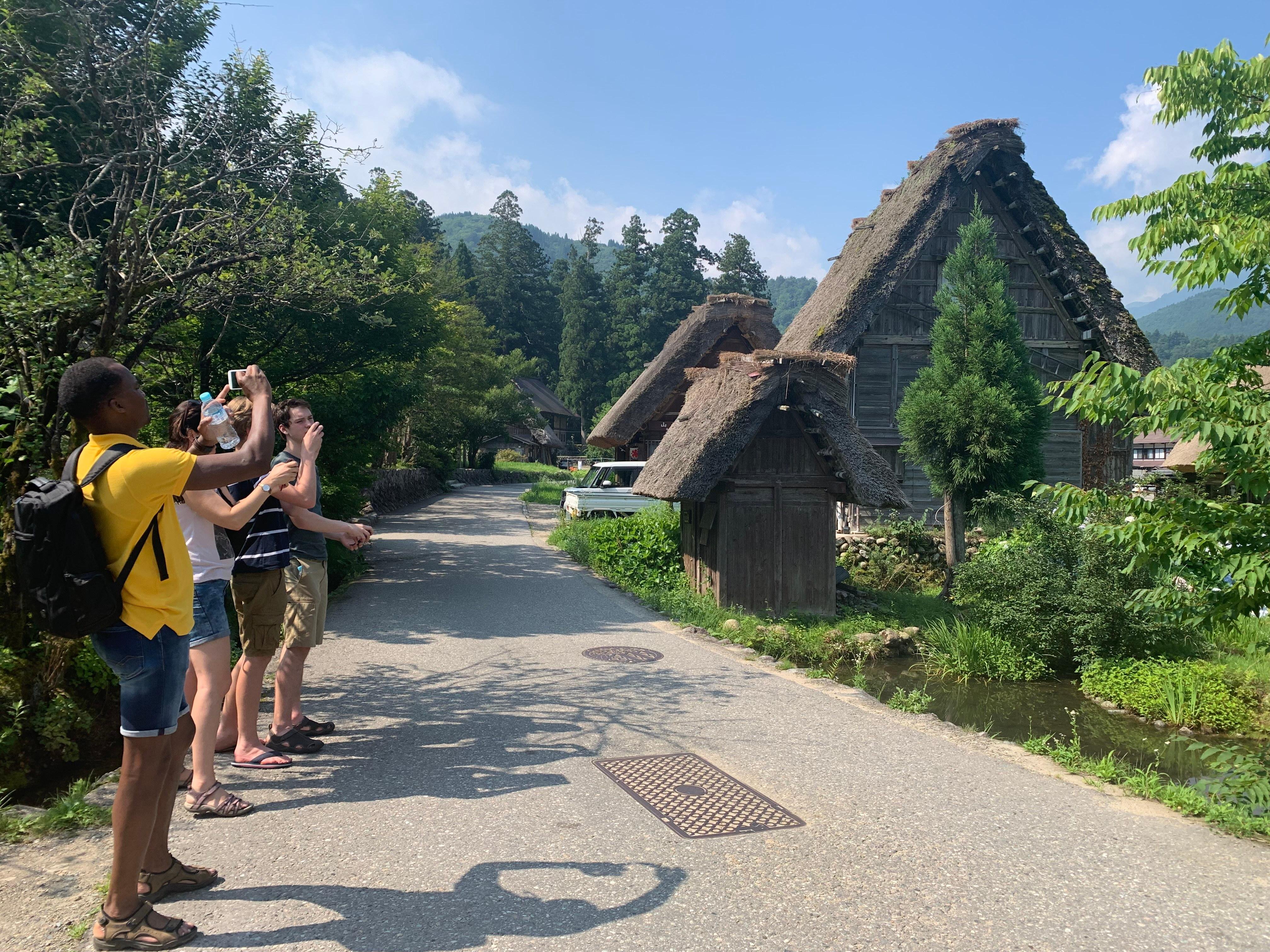
August was hot and the cicadas were deafening, but the rice was bright green and the mountains behind the village were completely clear. Our guide carried cold water for everyone, which I did not expect. Shirakawago private tour tours are worth it purely for not having to work out the bus timetables between two towns.
Pairing the thatched village with Takayama's merchant quarter made more sense than I thought — the guide explained how timber and trade linked them. We stopped at the Deai bridge and the river below was that pale turquoise you see in photos, genuinely that colour. Comfortable vehicle and no rushing.
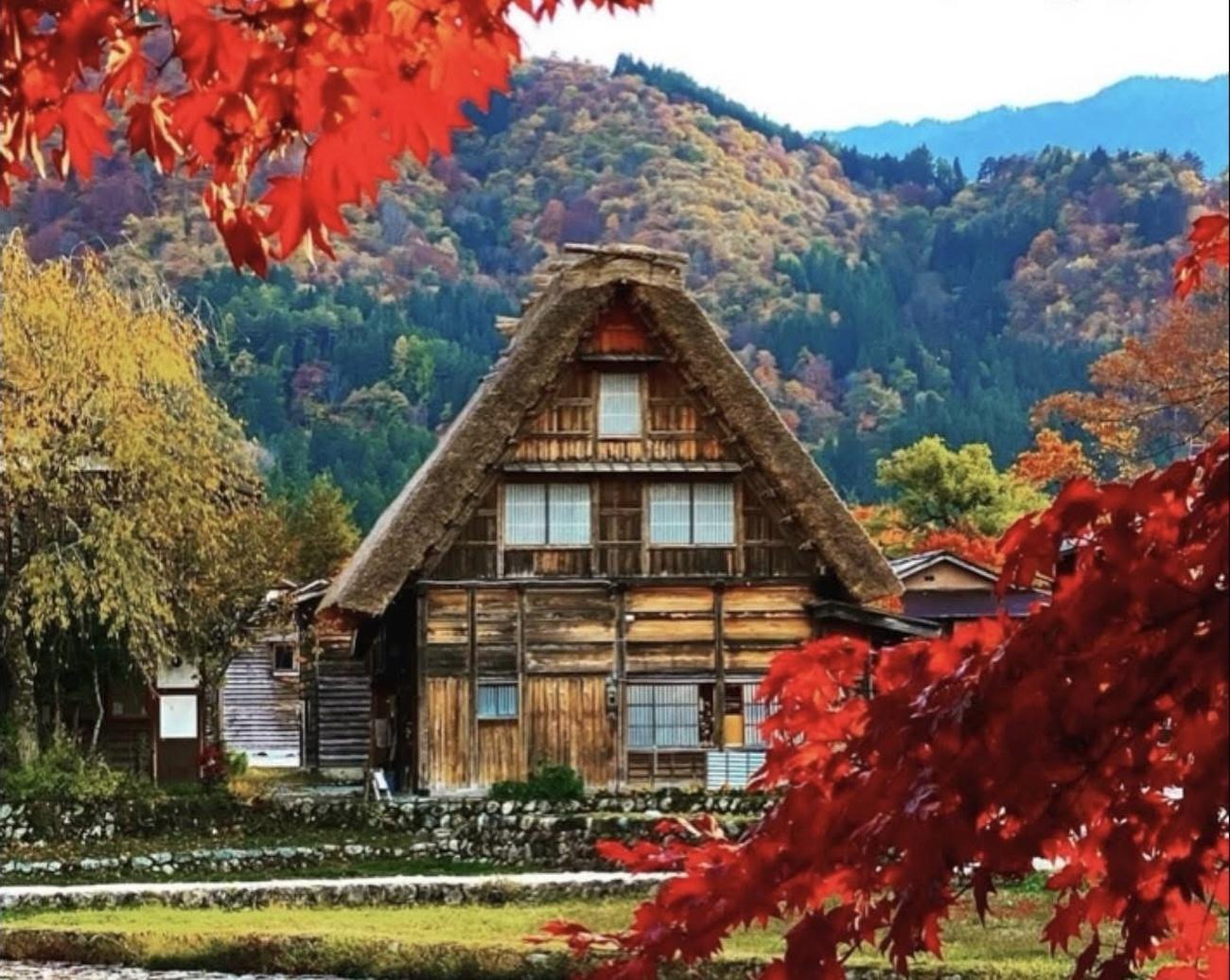
Mid-November the maples behind the village were red and the whole valley smelled of woodsmoke. It is a popular period so the viewpoint had a queue, though our guide knew a quieter angle further along the path. Still the best of the Gifu landmarks we saw on our trip.
Our guide met us at Takayama station and had the itinerary sorted before we even sat down. Inside one of the farmhouses the smoke from the irori hearth hung in the light from the attic window — that image stayed with me. A shirakawago private tour tour suited us far better than a fixed group because we could stop where we wanted.
Everything you need to know for your journey
Entry to the village is 0 JPY, though specific farmhouses charge fees for interior tours.
Your shirakawago private tour operates within the standard 08:00–17:00 window.
The village is open daily from 08:00–17:00 for your shirakawago private tour.
Yes, families are welcome on a shirakawago private tour as long as they respect local residential privacy.
Meeting points for a shirakawago private tour are typically at the Shirakawa-go Bus Terminal.
There are no public trash cans; please carry your waste with you during your shirakawago private tour.
Yes, but please follow the rules of your shirakawago private tour regarding drone use and residential privacy.
A shirakawago private tour provides historical depth not found in independent walks.
Winter light-up events require special booking separate from standard shirakawago private tour offerings.
Largest remaining traditional gassho-style farmhouse
Traditional stay in an authentic farmhouse
Join thousands of happy travelers who have discovered this incredible experience
Book Your Experience Now