11 hr
Nagoya Day Tour: Gujo, Takayama & Shirakawa-go
- Expert local guide
- Small group
- Skip-the-line access
- Free cancellation
Shirakawago Private Tour From Takayama — Guided Days in the Gassho Valley
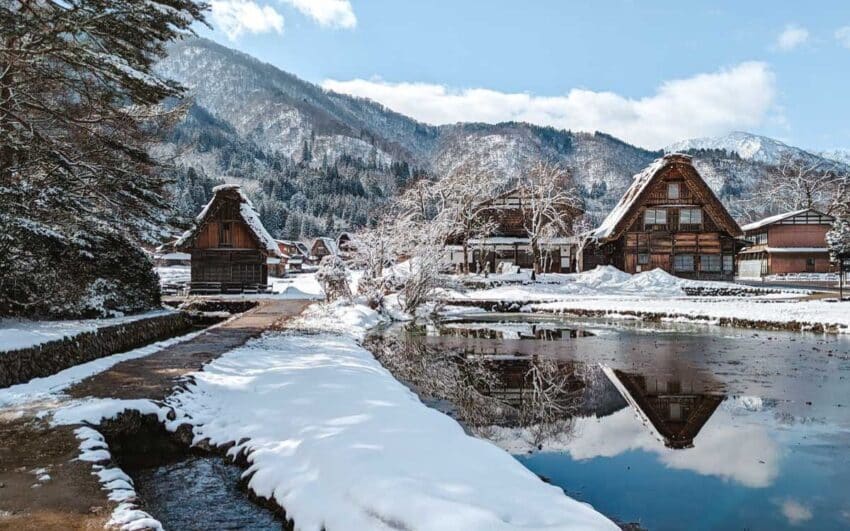
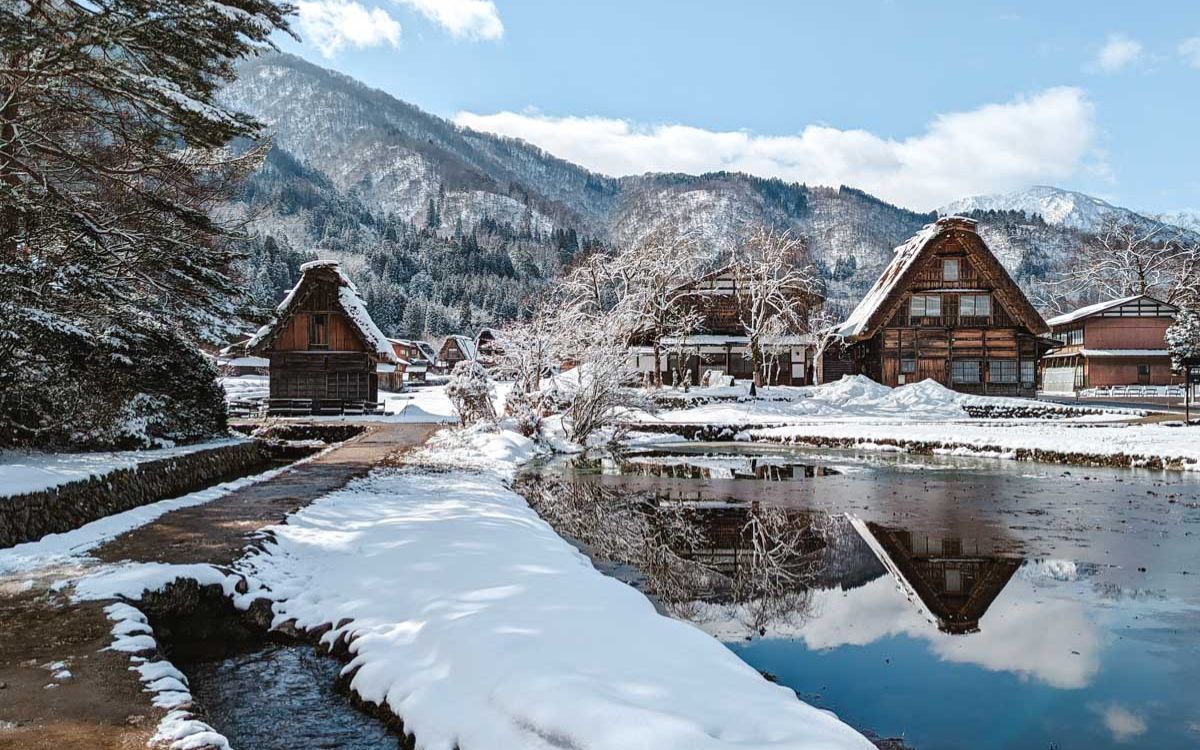
Thatch above the Shogawa, snowmelt below the eaves.
Compare fares, pick the fit — all bookings are mobile-voucher and eligible for free cancellation where shown.
11 hr
24 hr
24 hr
| Experience | Duration | Rating | Skip-the-line | Guide | Small group | Free cancel. | Price | |
|---|---|---|---|---|---|---|---|---|
|
Guided Experience
Most popular
Nagoya Day Tour: Gujo, Takayama & Shirakawa-go
|
11 hr | ★ 4.5 | ✓ | ✓ | ✓ | ✓ | €52 | Book → |
|
Guided Experience
Takayama & Shirakawa-go Full-Day Guided Tour
|
24 hr | ★ 4.8 | ✓ | ✓ | ✓ | ✓ | €133 | Book → |
|
Luxury / Private
Private Shirakawa-go & Takayama Heritage Tour
|
24 hr | ★ 4.8 | — | — | — | ✓ | €440 | Book → |
Worth it for time-tight or car-free travellers
A shirakawago private tour from takayama sells you control, not access — the Ogimachi village itself charges 0 JPY entry, and public buses cover the same 50km. What you pay for is a driver who leaves within the 08:00–10:00 arrival window, a guide who explains why gassho-zukuri roofs are pitched at 60 degrees, and no bus timetable dictating when you leave the Shiroyama viewpoint. Compare the private options against the group Takayama & Shirakawa-go full-day guided tour: solo travellers and pairs usually save money on the shared version, while families of three or four often find the private tour costs little more per head. The Nagoya and Gokayama itineraries add distance, not depth. Skip a private booking if you're confident with Nohi bus reservations and happy on a fixed return schedule; take one if you have limited days, mobility concerns, or want the thatched farmhouses explained rather than photographed.
Bottom line: Book the private Shirakawa-go and Takayama tour if you're travelling as a group of three or more with limited days; otherwise the shared full-day option delivers the same UNESCO village for less.
A shirakawago private tour from takayama provides personalized, efficient travel, whereas the Nohi Bus is the preferred choice for budget-conscious travelers seeking independent exploration. Visitors weigh these options based on their need for flexibility versus cost-effectiveness.
|
Top pick Private Tour |
Nohi Bus Transit | |
|---|---|---|
| Travel Style | Customized private vehicle | Scheduled shared motorcoach |
| Flexibility | High (door-to-door) | Fixed schedules required |
| Duration | Flexible per group | Fixed travel times |
| Cost | Higher (premium) | Lower (per seat) |
| Convenience | Direct to site | Transit hub arrival |
| Language Support | Multilingual guide | Recorded announcements only |
| See tickets & prices |
Verdict: Choose a shirakawago private tour from takayama if you value time-efficiency and comfort, or select the Nohi Bus if you prefer independent, low-cost shirakawago private tour from takayama tours.
Hand-picked experiences loved by thousands of travelers
7 hours
Free Cancellation
Journey through two UNESCO heritage villages famous for their steep-thatched gassho-zukuri farmhouses
8 hours
Free Cancellation
Explore UNESCO heritage villages and historic mountain towns with your own English-speaking driver-guide
1 day
Free Cancellation
Journey through three UNESCO mountain villages with traditional papermaking and gassho-zukuri farmhouses
2 hours
Free Cancellation
Discover a mountain village of steep-roofed farmhouses and centuries of tradition on this guided morning excursion
8 hours
Free Cancellation
Explore UNESCO-listed mountain villages and historic streets with flexible private transport and guide
Full day (approximately 10–11 hours)
Free Cancellation
Explore UNESCO-listed thatched villages and historic mountain towns with private transport and guide
8 hours
Free Cancellation
Discover centuries-old gassho farmhouses and Edo-era streets on a fully customizable private day trip
9 hours
Free Cancellation
Explore heritage streets, UNESCO mountain villages, and centuries-old farmhouses with your own guide and car.
Built during the Edo period, this is the largest farmhouse in the village. It features a massive gassho-style roof and is a primary stop on any shirakawago private tour from takayama.
This historic dwelling shows traditional silk farming techniques. Visitors can climb to the upper floors to see the intricate thatch construction.
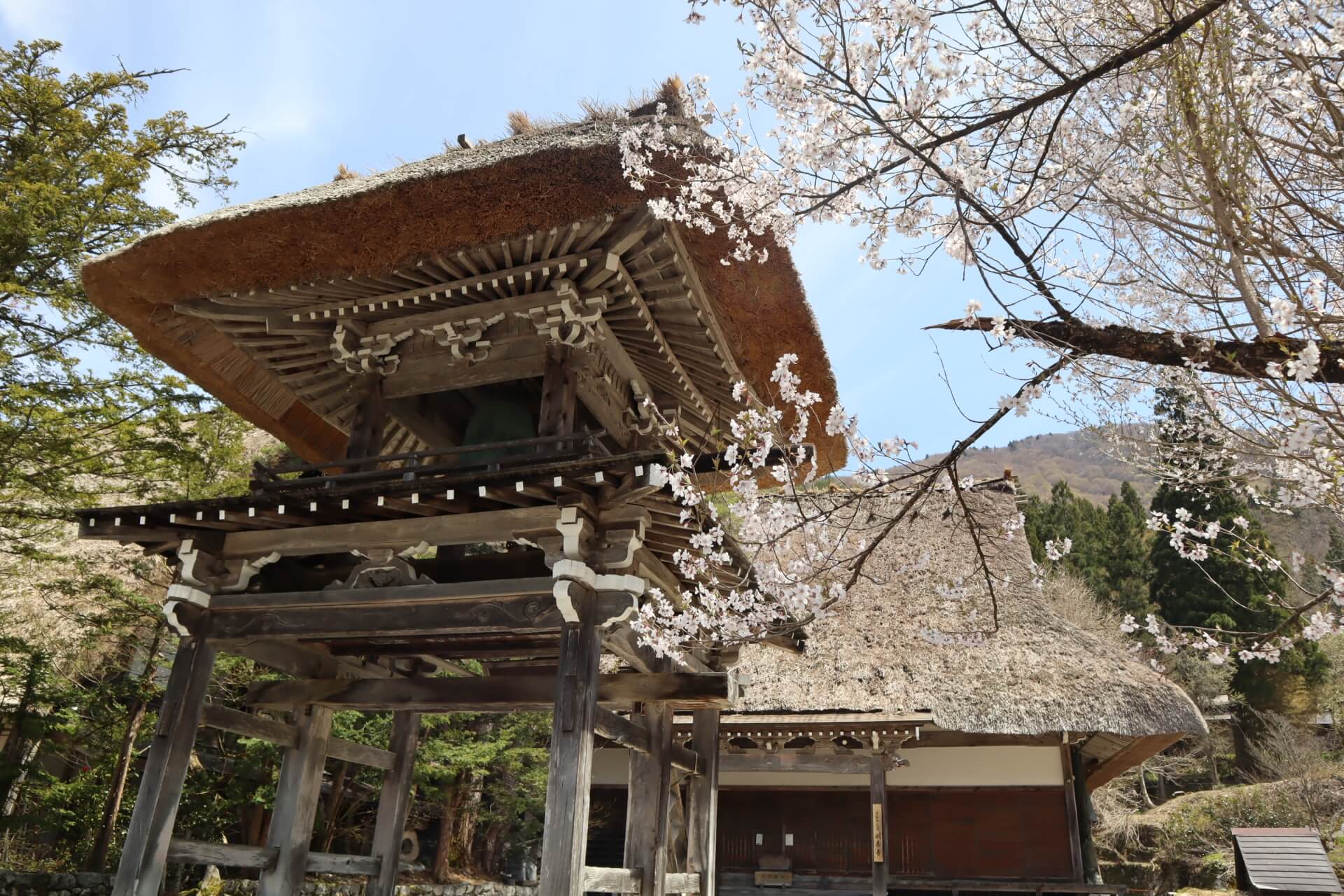
Known for its unique thatch-roofed gate, this temple is a serene site for photos. It serves as a spiritual landmark within the village boundaries.
This house showcases traditional medical tools and farmhouse life from centuries past. It is a well-preserved example of local mountain architecture.
You leave Takayama in the early morning, and the expressway swallows the bus into a sequence of tunnels; forty minutes later the valley opens and the thatch appears in rows. Aim to arrive between 08:00 and 10:00 — that window keeps you ahead of peak midday crowds and parking congestion.
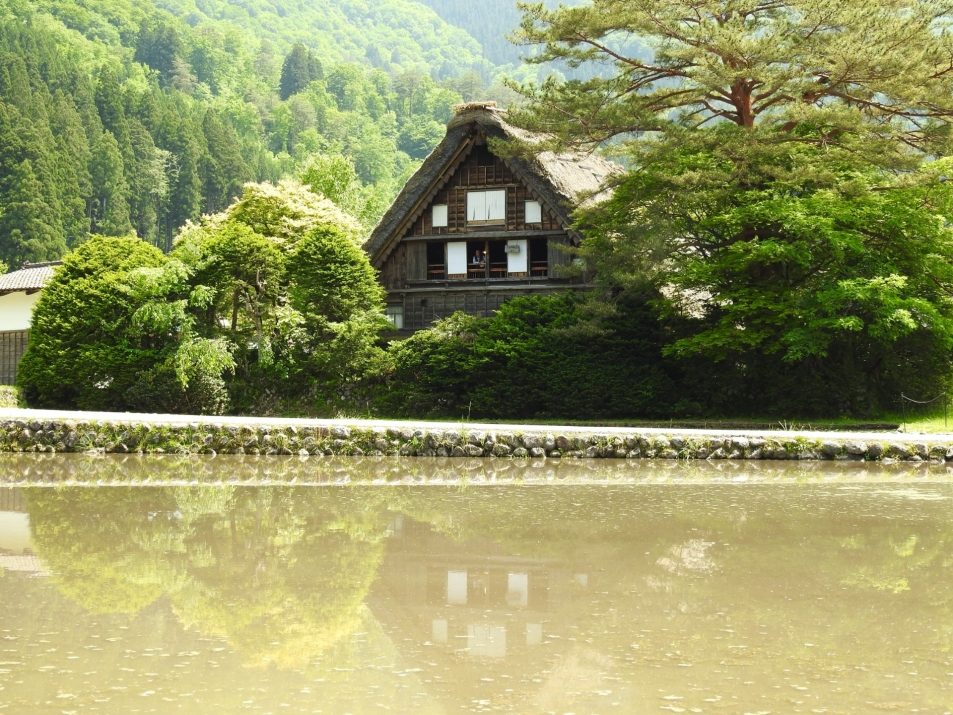
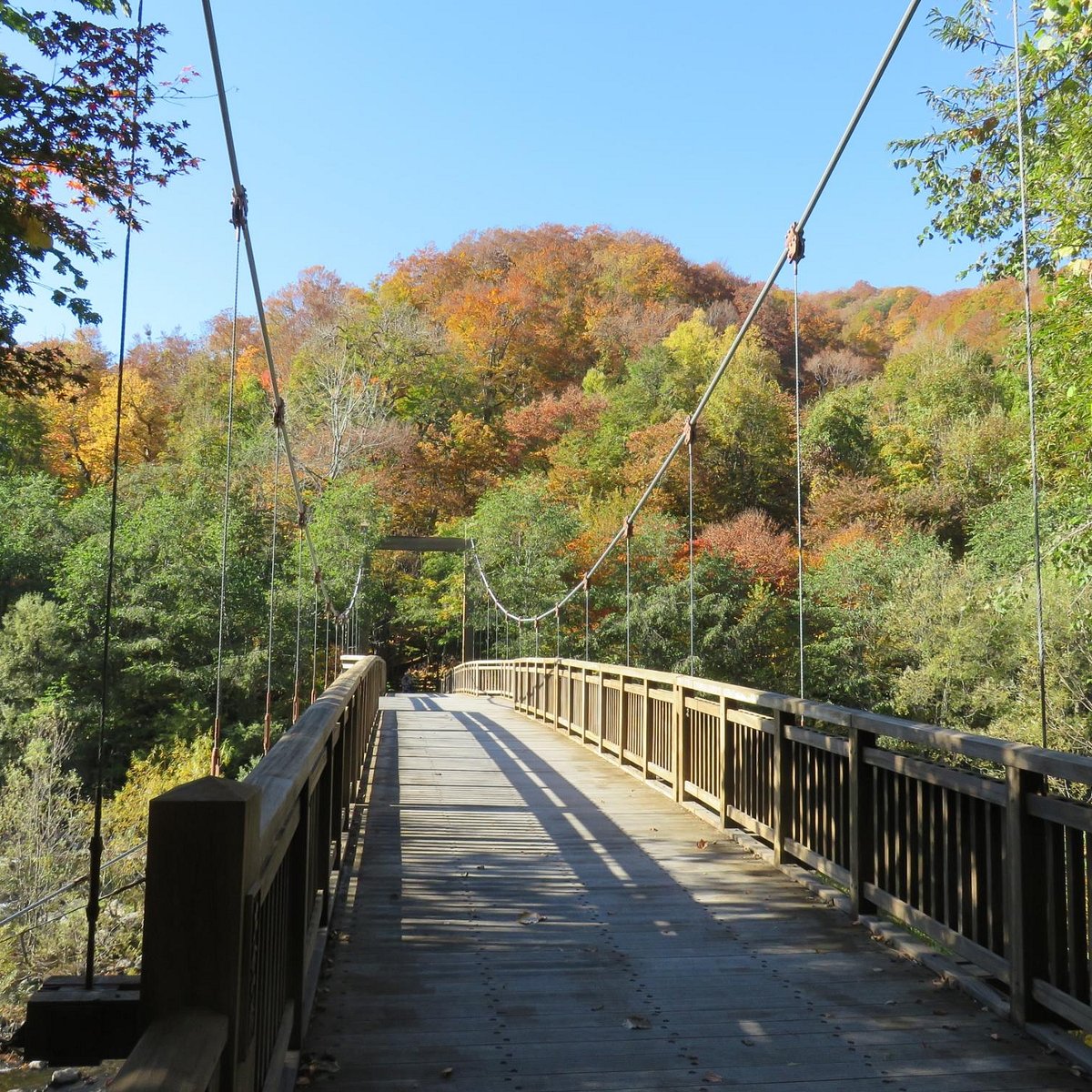
You cross the Deai suspension bridge over the Shogawa, boards flexing underfoot, and the river runs pale green below.
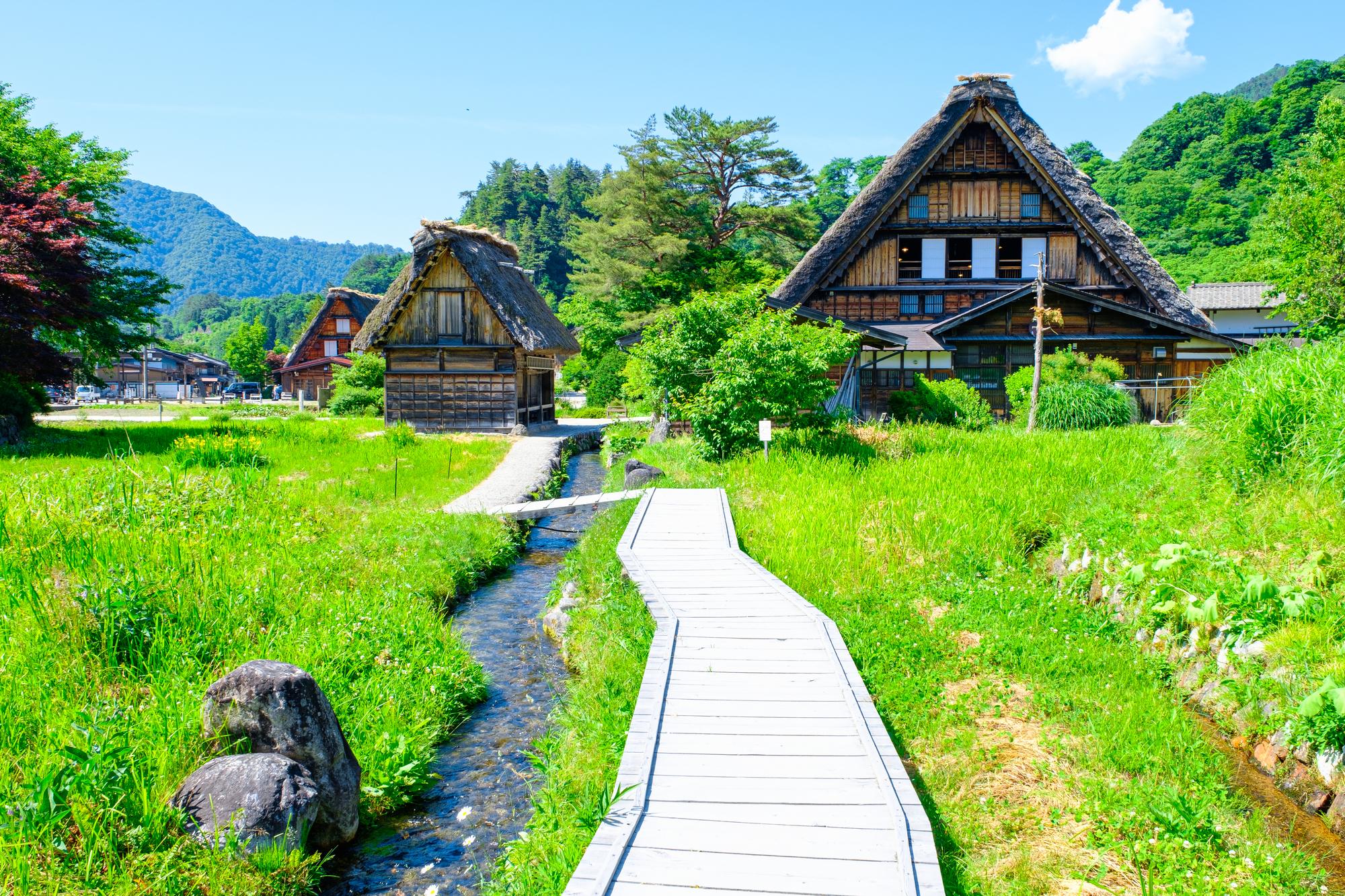
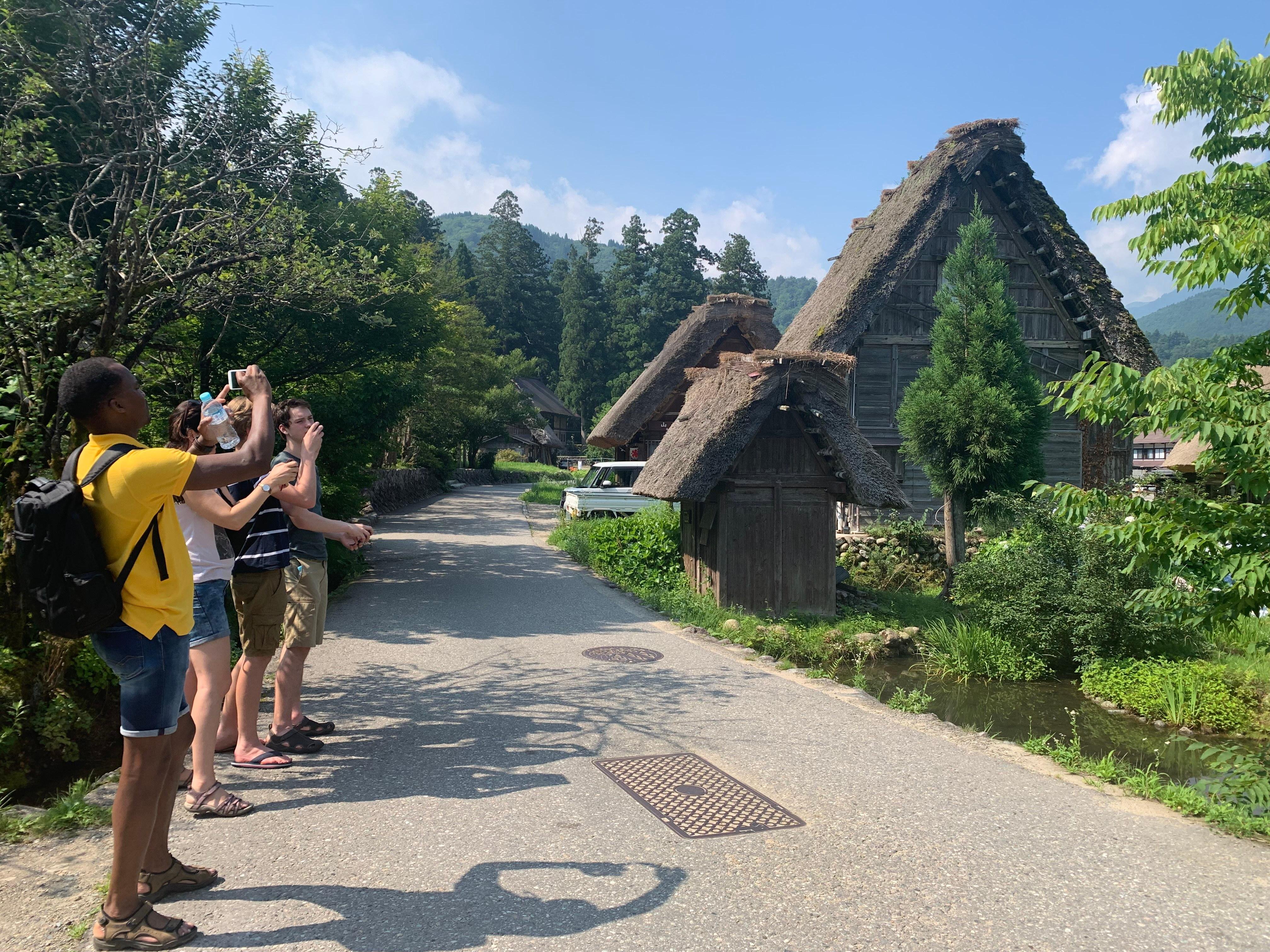
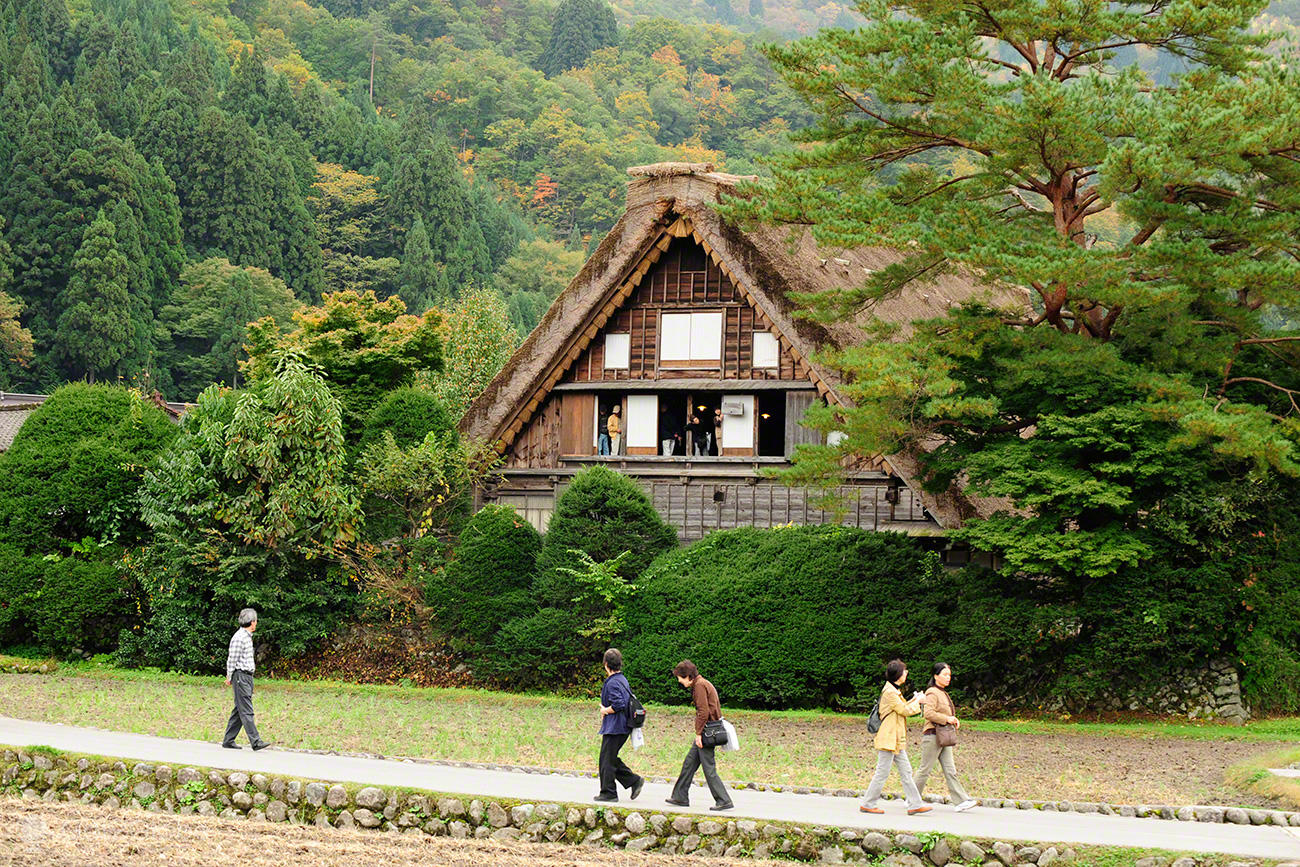
You start low, on the lanes between paddies, where irrigation channels carry water past stone kerbs and carp turn in the shallows. You duck into the Wada House and climb a ladder-stair to the attic, where blackened beams meet overhead like a ship's hull turned upside down. Your guide points out the rope lashings. You touch one; it is stiff as wood.
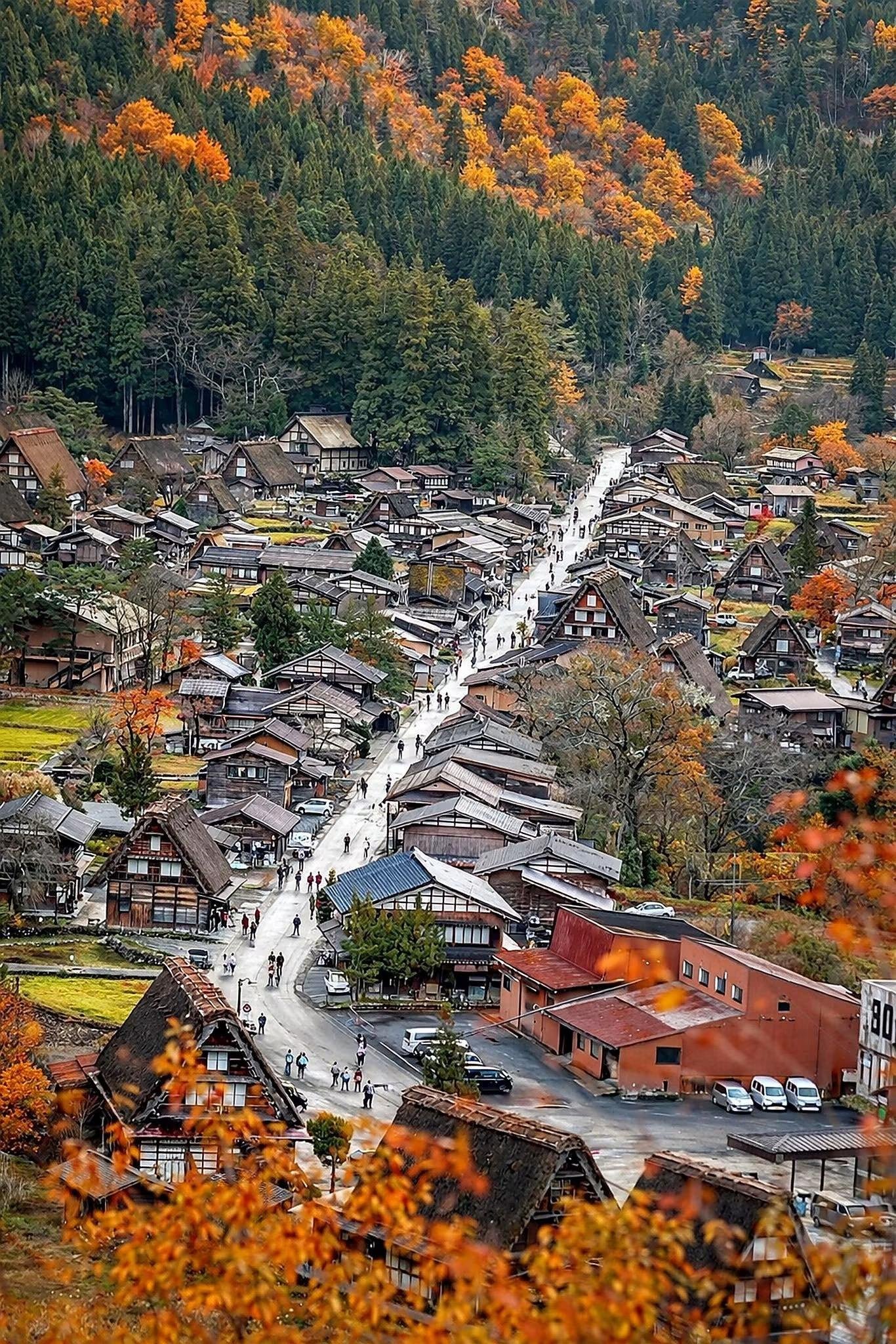
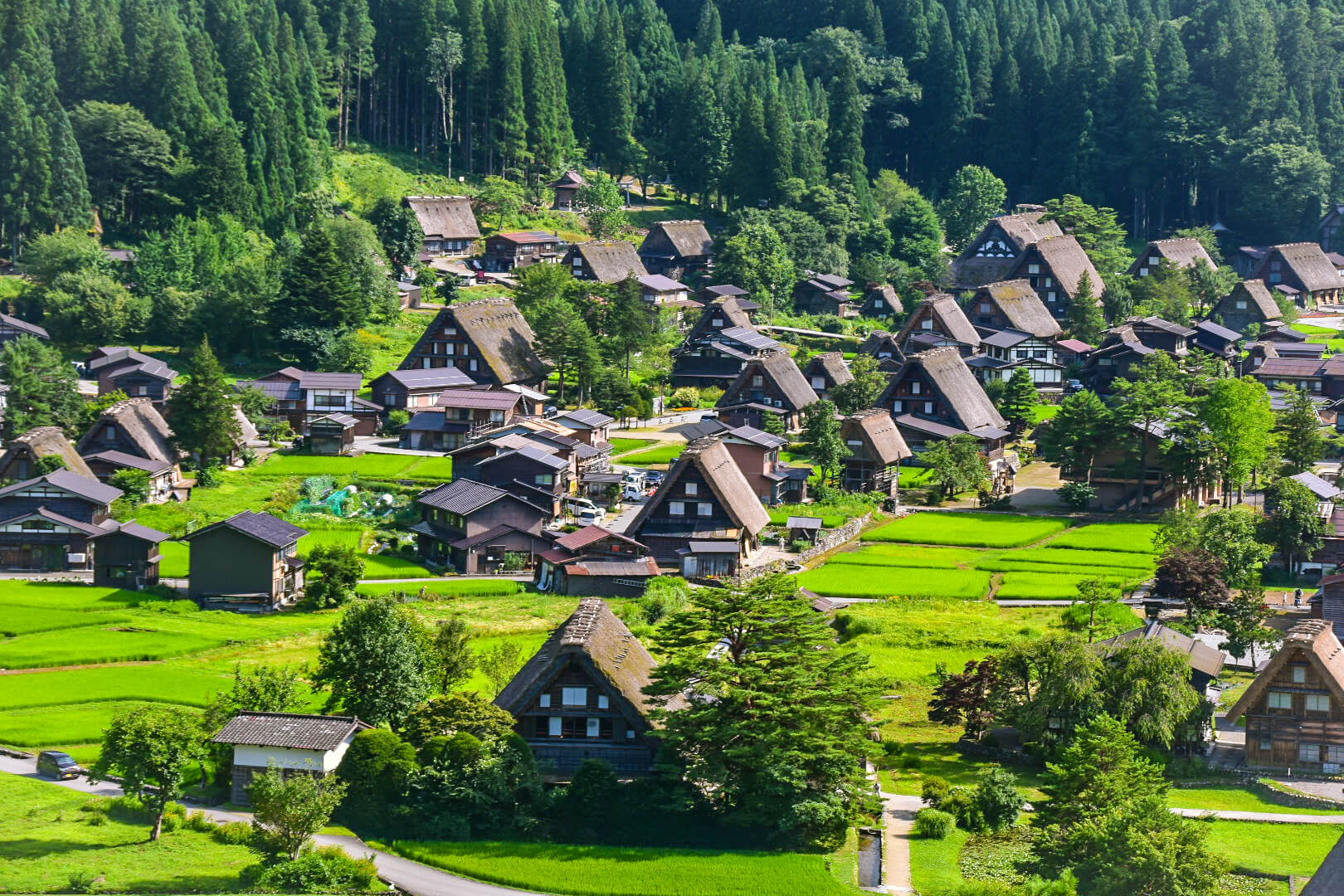
At midday you climb the path to the Shiroyama viewpoint, ten minutes uphill, and the whole village resolves into a single composition of grey-brown roofs against terraced green. On a shirakawago private tour from takayama your driver may take the access road instead, saving your legs.
You come back down past the Myozenji temple bell, buy a stick of grilled gohei-mochi, and take a last slow lap of the lanes. Gates close at 17:00. Private tours from Takayama return with the light still on the ridgelines.
All the details about your upcoming adventure in one place
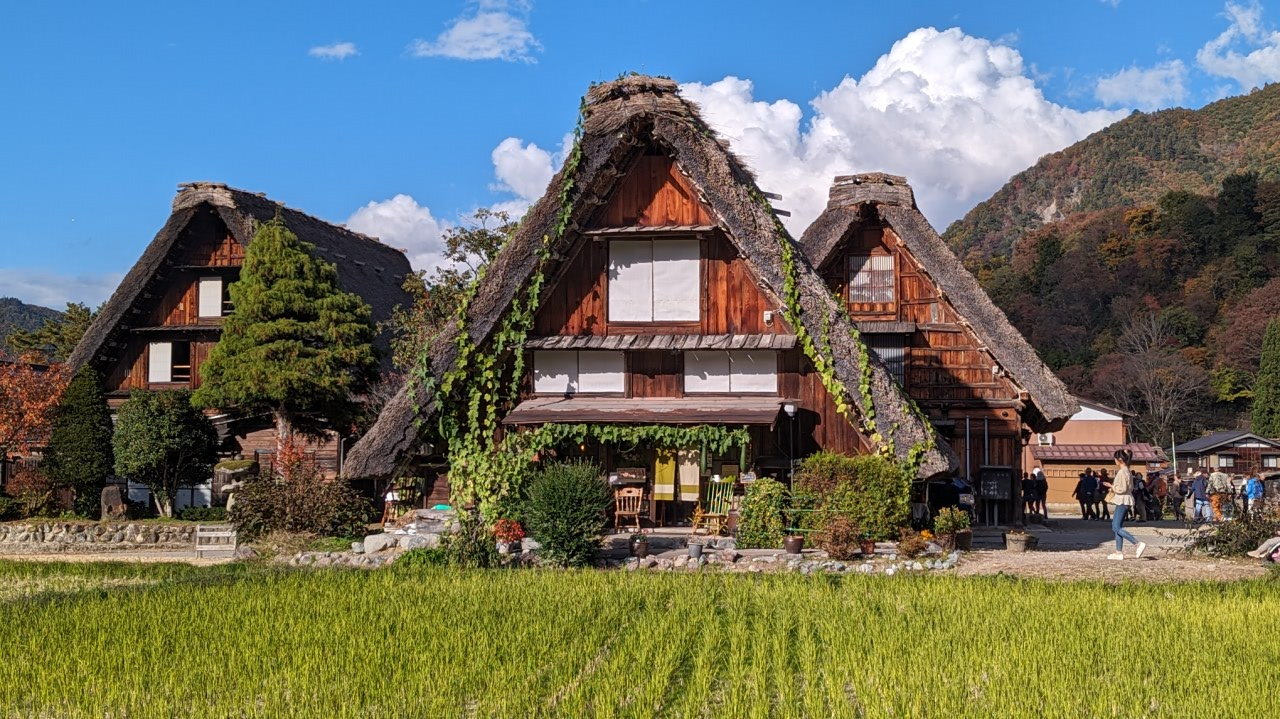
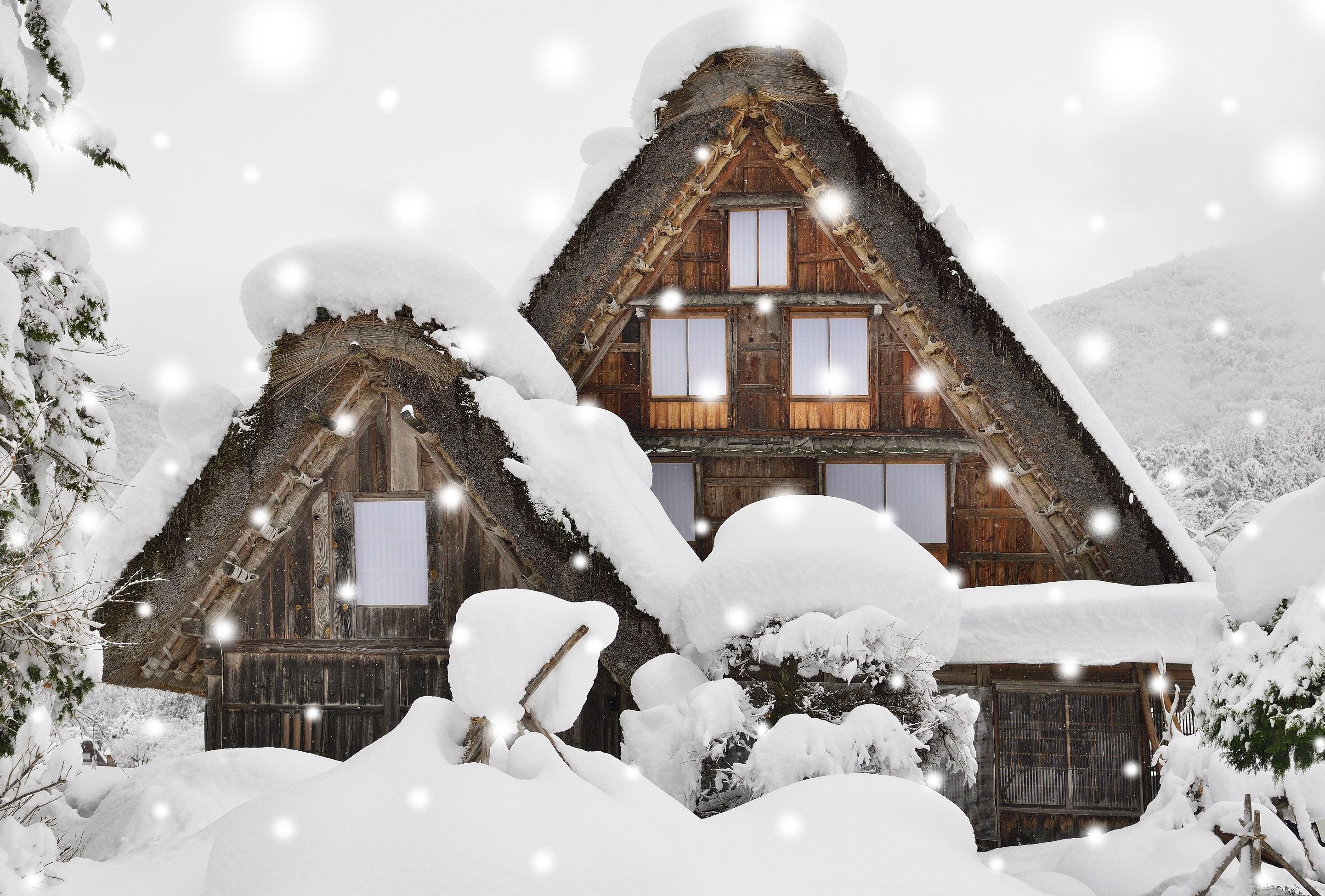
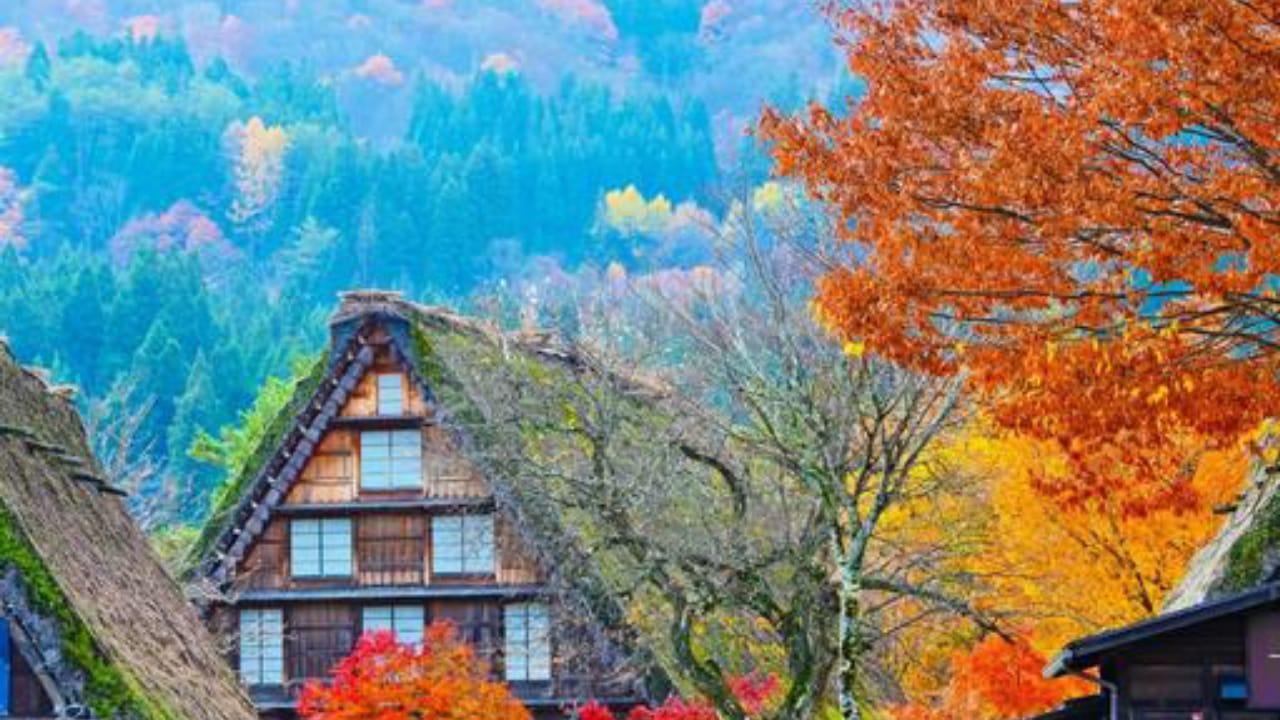
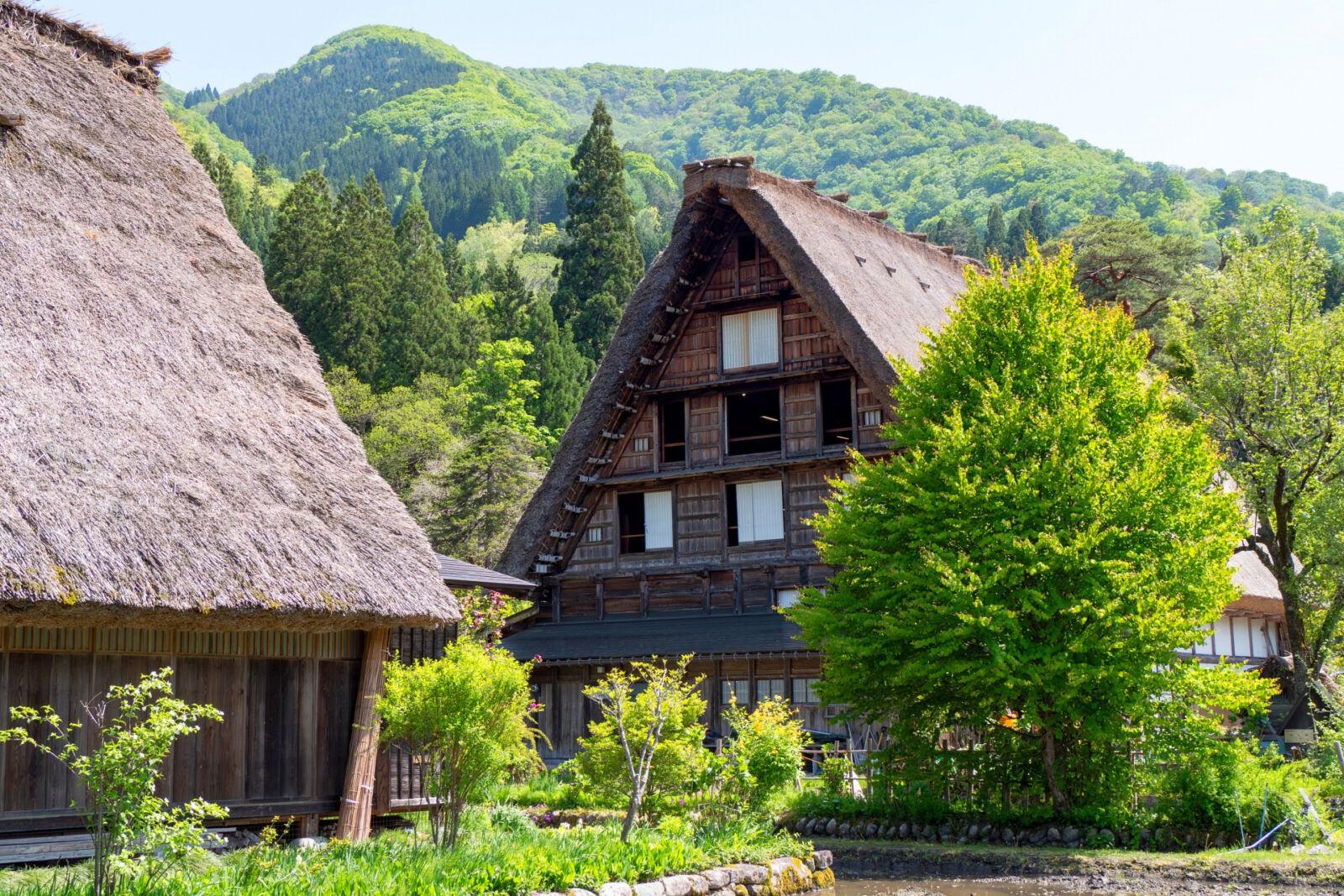
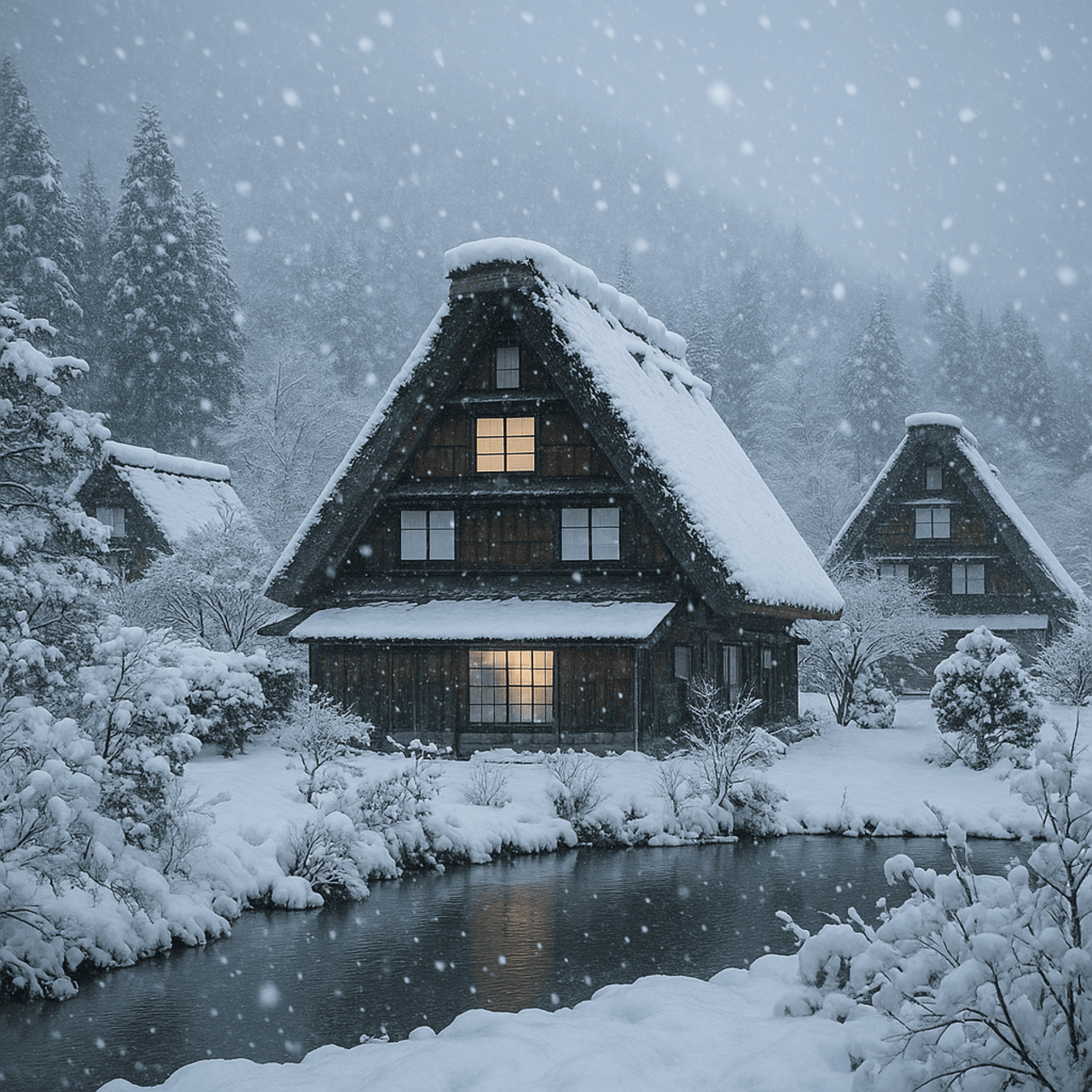
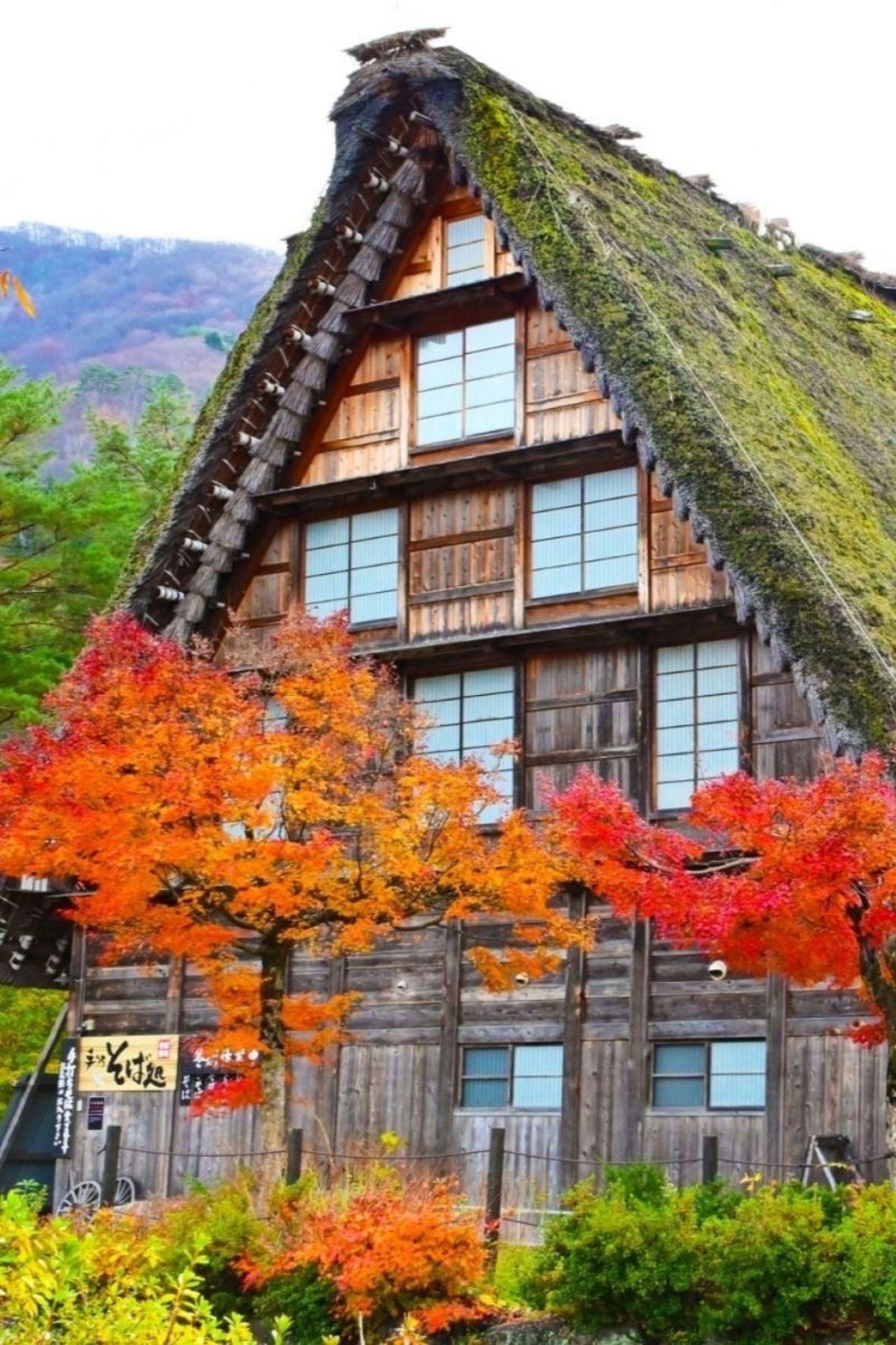
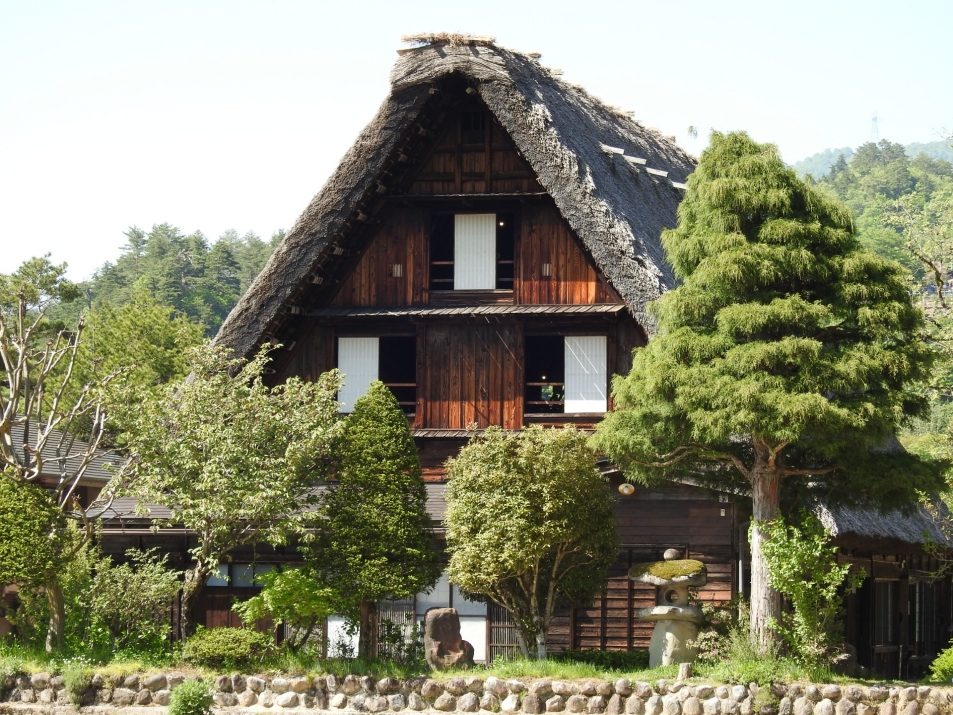
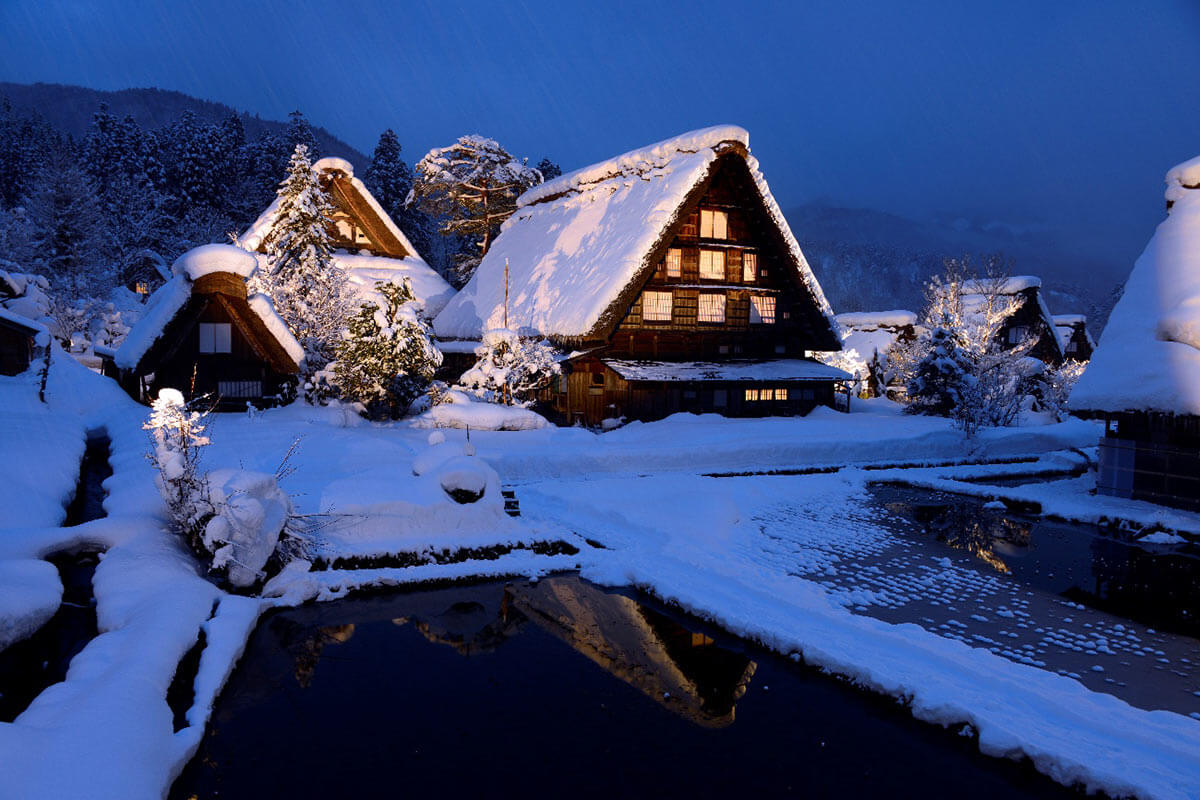
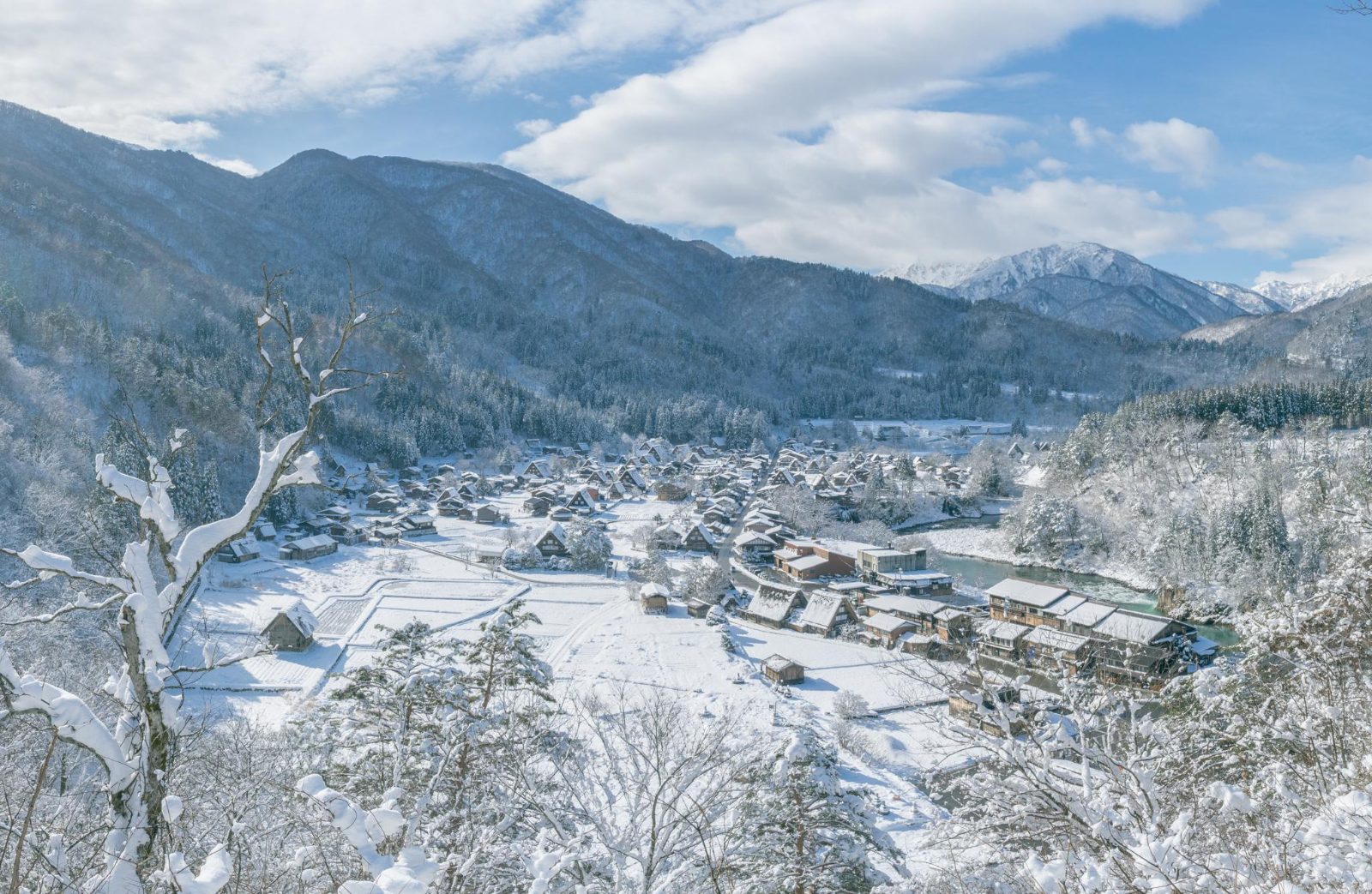
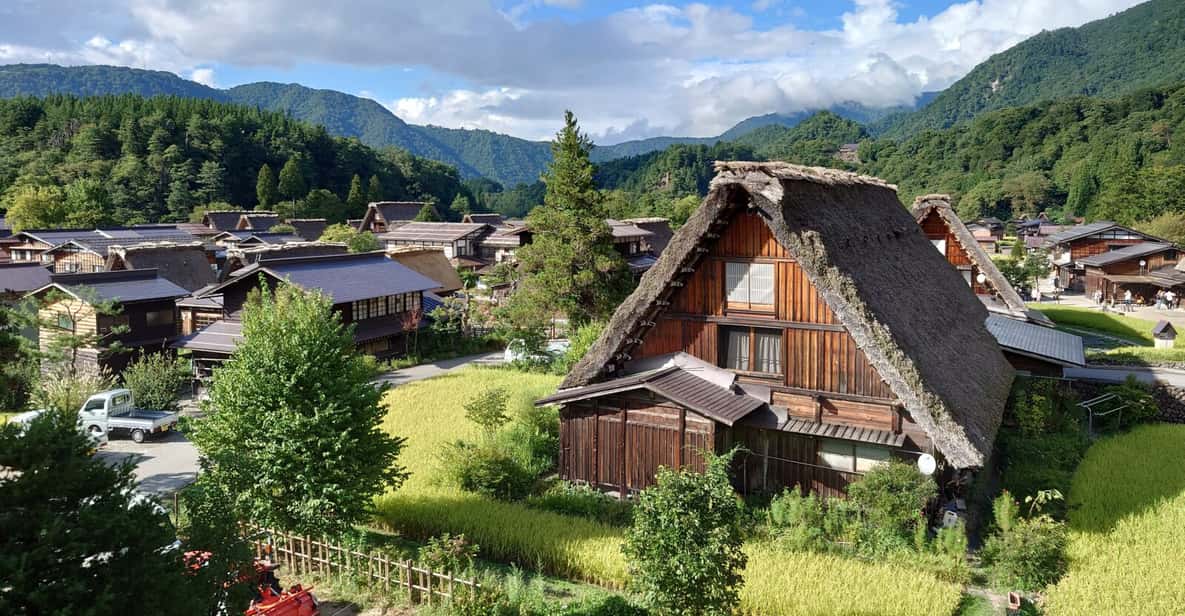
The steepest roofs in Japan were designed by snow, not by architects. Ogimachi sits in a valley that receives some of the heaviest snowfall in the inhabited world, and the gassho-zukuri farmhouses — named for hands pressed together in prayer — pitch their thatch at roughly sixty degrees so that the load slides free.
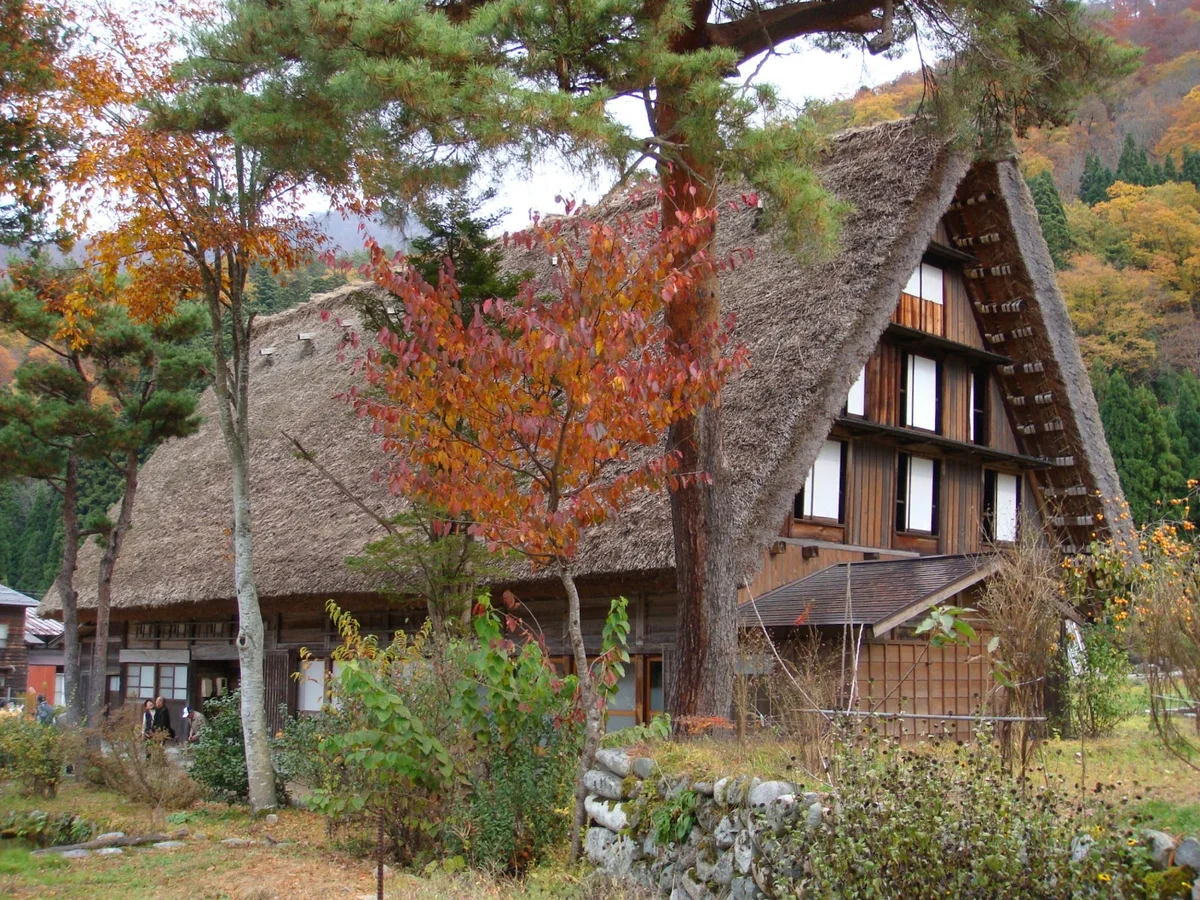
Beams are lashed with straw rope and hazel withes rather than nails, allowing the frame to flex under weight. The village and its neighbours at Gokayama were inscribed on the UNESCO World Heritage list in 1995, a designation that fixed in law what farming families had maintained by habit for two centuries.
A shirakawago private tour from takayama covers roughly 50 kilometres of the Tokai-Hokuriku Expressway, threading tunnels through the Ryohaku mountains from the merchant lattices of Hida-Takayama to a floor of rice paddies and mulberry terraces. The contrast is the point. Takayama preserves the urban vernacular of the Edo period; Shirakawa-go preserves its rural counterpart, built by households that farmed silkworms in vast attic lofts. Those upper floors, ventilated by the open gable ends, held sericulture racks and later saltpetre production — the reason the roofs grew so cavernous in the first place.
The fabric is living, not frozen. Around forty percent of the houses remain private homes. Re-thatching a single roof consumes tens of thousands of susuki reed bundles and the labour of hundreds of neighbours in a rotating mutual-aid system called yui, still practised each spring. The Wada House, the largest surviving residence, shows the sooted crossbeams that decades of irori hearth smoke produced — smoke that cures the thatch and repels insects. Entry to the village itself is free at 0 JPY, with individual museums and houses charging separate fees. Gates open 08:00–17:00 daily at Ogimachi, Shirakawa-mura, Ono-gun, Gifu 501-5627, Japan.
What a private guide adds is legibility. Takayama Shirakawa-go tours read the valley aloud: which gable faces north-south to balance wind and sun, why the Shogawa's dams once threatened the settlement, how the Shiroyama viewpoint frames the whole cluster. Travellers comparing shirakawago private tour from takayama tickets are choosing, in effect, between a shared coach and a conversation.

The steepest roofs in Japan were designed by snow, not by architects.
Wear comfortable walking shoes suitable for gravel paths and uneven terrain when joining a shirakawago private tour from takayama. Dress in layers, as mountain weather in the Gifu region can shift quickly even in summer.
Keep personal belongings secure while exploring the village. Most houses on a shirakawago private tour from takayama require visitors to remove shoes upon entry; consider wearing clean socks.
Photography is permitted in outdoor areas of this UNESCO World Heritage site. When taking a shirakawago private tour from takayama, always respect private property by not entering cordoned-off residential zones.
The village is educational for children, though parents should supervise them closely near irrigation channels. A shirakawago private tour from takayama offers the flexibility to pace your visit for younger travelers.
The village layout presents challenges for wheelchair users due to gravel roads and steep house entries. A shirakawago private tour from takayama can be customized to focus on accessible main thoroughfares.
Visitors may carry water and small snacks to stay hydrated during their shirakawago private tour from takayama. Please dispose of all trash in designated bins to help maintain the village grounds.
Opening Hours
08:00–17:00
Address
Ogimachi, Shirakawa-mura, Ono-gun, Gifu 501-5627, Japan
Accessibility
Village pathways are gravel; some houses have steep stairs.
Arrival Window
08:00–10:00
Storage
Coin lockers available at the bus terminal.
Website
https://shirakawa-go.org/
Car · 50 min · Toll road fees apply.
Follow Route 158 west from Takayama directly to the village entrance.
Full refunds are typically provided for cancellations made within the operator's specified timeframe. Please refer to your booking confirmation for exact details regarding the 0 JPY entrance fee component.
Recommended time
3-4 hours
A shirakawago private tour from takayama typically requires three to four hours to fully explore the Ogimachi village, including visits to the gassho-zukuri farmhouses and the Shiroyama observation deck. Arriving during the 08:00–10:00 window is recommended, as this best arrival window helps avoid peak midday crowds and parking congestion. Those looking for shirakawago private tour from takayama tours should plan for extra time if they intend to enter multiple historic houses, while a shorter visit suffices for a walking overview. Guests often utilize shirakawago private tour from takayama tickets to gain structured access to the main village landmarks, though the site itself has an entrance fee of 0 JPY. Finding a shirakawago private tour from takayama tour that aligns with off-peak hours ensures a more tranquil experience among the traditional thatched-roof structures.
Crowd levels through the day
Weather · crowds · average price — dots go green to amber to red as each metric rises.
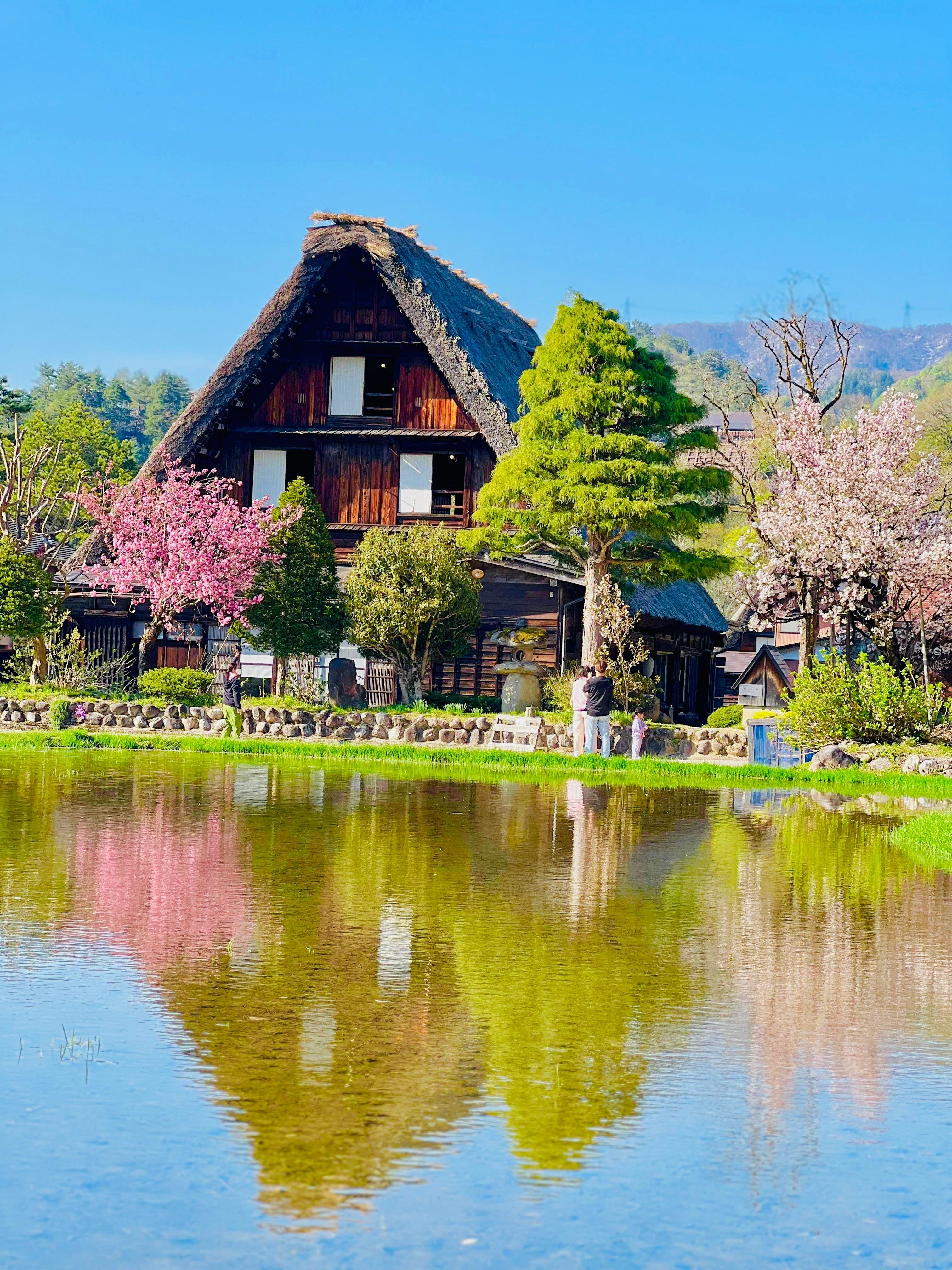
Flowers bloom in April; comfortable temperatures for walking.
Arriving at 08:00–10:00 ensures you beat the heaviest bus traffic for your shirakawago private tour from takayama.
1-chome, Showamachi, Takayama
Look for the driver near the main entrance.
Get directionsThe Shokawa valley was settled long before its houses became famous. Records from the Edo period describe villagers producing saltpetre for gunpowder in the earthen floors beneath their homes, alongside sericulture in the upper storeys. That dual economy shaped the architecture. The gassho-zukuri form, named for hands joined in prayer, evolved to hold vast attic space for silkworm trays while shedding some of the heaviest snowfall in Japan. Beams were lashed with straw rope and hazel withes, without nails, so the frame could flex under load. The near-disaster came with modernisation. Meiji-era demand for saltpetre collapsed after imported nitrates arrived, and the silk trade faltered in the twentieth century. Dam construction on the Shokawa river, culminating in the Miboro Dam completed in 1961, submerged neighbouring hamlets and scattered their households. Ogimachi survived. In 1971 residents formed a preservation association under the pledge "do not sell, do not rent, do not destroy", a covenant that still governs the settlement seen on any shirakawago private tour from takayama. National designation followed in 1976, and UNESCO World Heritage inscription, shared with Gokayama in Toyama, came in 1995. What survives is a working village rather than an open-air museum, and most shirakawago private tour from takayama tours are built around that distinction. Roughly a hundred and fourteen gassho houses remain at Ogimachi, several rethatched each decade by yui, the cooperative labour system in which neighbours re-roof one house in a single day. The Wada family residence, the Kanda House and the relocated buildings of Gasshozukuri Minkaen illustrate three stages of that story. Village entry is free at 0 JPY, though individual museums and houses charge separate fees; a guided shirakawago private tour from takayama tour typically pairs Ogimachi with Takayama's merchant quarter, and any tickets required inside are purchased at each door. Confirm current details at https://shirakawa-go.org/.
Villagers refine saltpetre under farmhouse floors while raising silkworms in the upper attic storeys.
Surviving gassho-zukuri houses at Ogimachi, including the Wada residence, take their present large-scale form.
Imported nitrates end the saltpetre trade, forcing the valley to depend on silk and forestry.
The Miboro Dam is completed, flooding neighbouring Shokawa hamlets and displacing their households.
Ogimachi residents found a preservation association pledging not to sell, rent or destroy any house.
Japan designates Ogimachi an Important Preservation District for Groups of Traditional Buildings.
UNESCO inscribes Shirakawa-go and Gokayama as a World Heritage Site.
About 114 gassho houses remain occupied, rethatched by the communal yui labour system.
Stand at the northern edge to capture the classic elevated perspective of the gassho-zukuri farmhouses nestled in the valley. This vantage point is the primary location for a shirakawago private tour from takayama where you can photograph the entire village layout.
Position yourself on the bridge to frame the wooden structure leading toward the village entrance. The flowing river provides a leading line for those looking to capture the connection between the modern access point and traditional architecture during a shirakawago private tour from takayama tour.
Capture the thatched roof of the bell tower set against the backdrop of larger farmhouses in the distance. This spot offers a grounded perspective of the historic temple grounds often included in a shirakawago private tour from takayama tickets package.
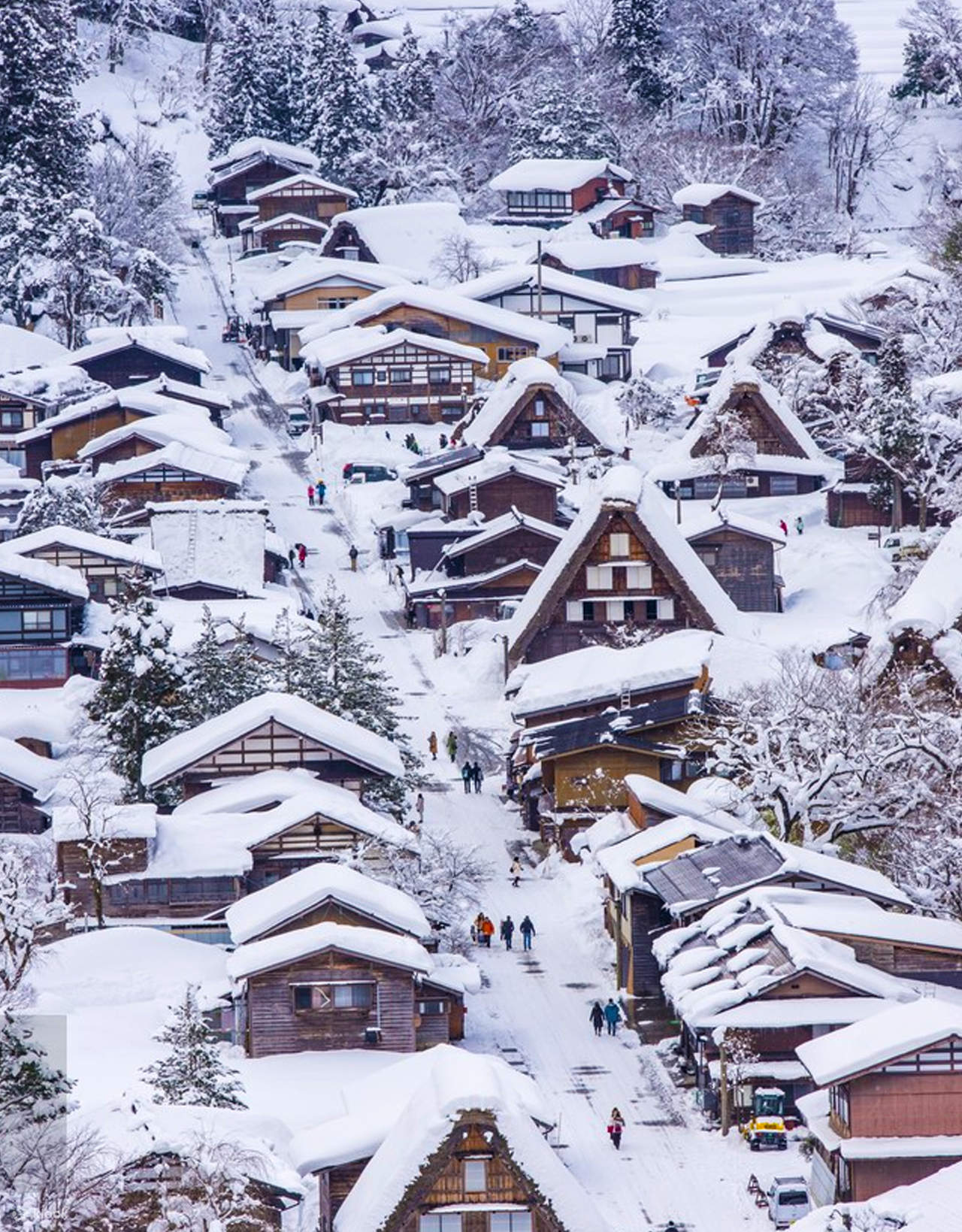
Walk along the central path to photograph the gassho-zukuri buildings from eye level to highlight the intricate thatch work and wood joinery. Many travelers choosing a shirakawago private tour from takayama tours option use this angle for detailed shots of the UNESCO heritage site.
Visiting this UNESCO heritage site with children offers a peaceful escape into rural tradition, though families should be prepared for gravel paths and village walking. Booking a shirakawago private tour from takayama helps manage the logistics of transport and timing for a more relaxed experience.
While the village paths are generally flat, gravel surfaces and narrow walkways can make stroller navigation challenging; a baby carrier is recommended for easier movement between houses and rural tracks.
The village is compact enough to explore in 1-2 hours, but arrive between 08:00–10:00 to ensure your family avoids the peak midday crowds and parking congestion.
Public toilets are available, but families should be prepared for varying levels of baby-changing infrastructure; look for accessible facilities which are often marked with a universal pictogram.
The village offers traditional snacks and light meals, but options for picky eaters can be limited; consider bringing supplemental snacks for children to ensure they stay fueled during your rural excursion.
As a car-free heritage zone, vehicle access is restricted, so expect a 5-minute walk from the designated Seseragi Park parking area to reach the heart of the village.
Opting for a guided shirakawago private tour from takayama tickets ensures your group has a seamless transition from the city to the countryside without navigating public bus schedules.
Visitors embarking on a shirakawago private tour from takayama will find several traditional eateries serving regional Hida specialties within the Ogimachi village. While options are plentiful, planning your meal helps you maximize time during your shirakawago private tour from takayama tour.
Located in a historic gassho-zukuri house, this spot offers hearty Hida beef and local mountain vegetables. It is popular for lunch, so consider arriving early to secure a table during your shirakawago private tour from takayama tours.;Restaurant Komachi
Everything you need to know for your journey
The village is open daily from 08:00–17:00, making these the ideal hours for your visit.
Entry to the village is 0 JPY, though individual houses charge separate fees.
We recommend arriving between 08:00–10:00 to avoid midday crowds.
You can bring snacks, but local shops are available for regional meals.
Photography is allowed outdoors, but please respect private residential areas.
The terrain features gravel paths that may be difficult for mobility aids.
Most visitors spend 3–4 hours exploring the landmarks during their tour.
Yes, there are several local shops and eateries throughout the village.
Wear comfortable walking shoes and dress in layers for the mountain climate.
Provides an elevated perspective of the village valley.
Traditional gassho-zukuri guesthouses located within the site.
Join thousands of happy travelers who have discovered this incredible experience
Book Your Experience Now