
Quick answer
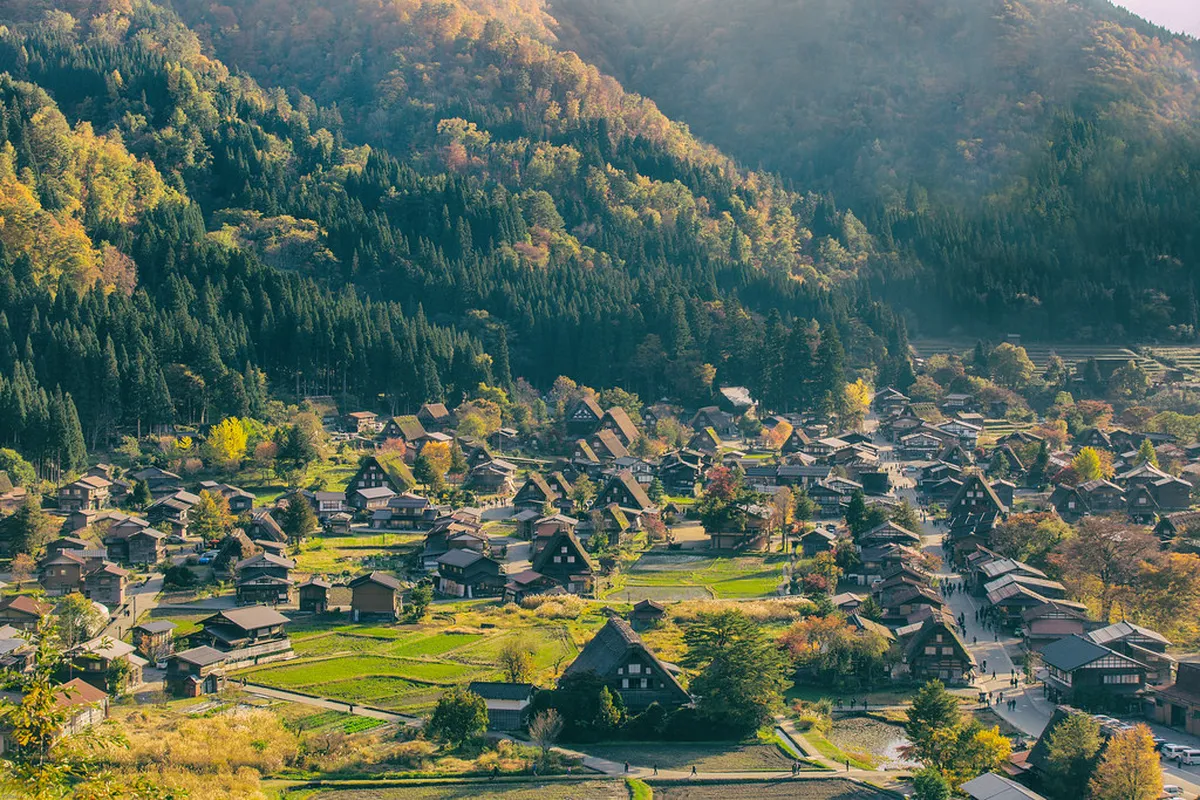
Yes, for most travellers already in Takayama or Kanazawa. Entry to the village itself is 0 JPY, gates are open 08:00–17:00 every day of the week, and the recommended arrival window is 08:00–10:00 to avoid peak midday crowds and tour buses. The caveat is timing, not the place: arrive at noon in summer and the UNESCO landscape disappears behind coach parties.
Shirakawa-go is not a preserved museum village. Roughly 600 people still live in Ogimachi, and the gassho-zukuri farmhouses — named for hands pressed together in prayer, the shape of their 60-degree thatched roofs — are private homes, working guesthouses and shops. The roofs are rethatched by yui, a cooperative labour system in which neighbours turn out in their dozens to strip and relay a single roof in a day. That living quality is the strongest argument for anyone asking is shirakawago worth visiting, and it is also the reason the village asks visitors to stay out of doorways and gardens. The honest counter-argument is volume. UNESCO listing in 1995 brought the coaches, and by late morning the main lane through Ogimachi carries a dense, slow-moving column of day-trippers from Takayama and Kanazawa. Nothing about the valley changes; the experience of it does. Travellers who describe the Shirakawa-go day trip as overrated almost always visited between 11:00 and 15:00, and travellers who describe it as the highlight of their Gifu itinerary almost always did not. The Shogawa river, the Wada House, the Myozenji temple bell tower and the Shiroyama viewpoint above the village all reward an early, quiet hour in a way they simply cannot at midday. What to do with that answer is practical. Build the visit around the first bus of the morning rather than a convenient one, and treat Takayama's Sanmachi Suji merchant quarter as the afternoon half of the day rather than the morning warm-up. Two to three hours on foot covers Ogimachi properly, including the climb or shuttle to the observation point, one house interior with its irori hearth and blackened attic silkworm floors, and a slow loop back along the river. Winter light-up evenings and the deep snow season draw their own crowds and require separate planning; summer visitors get long daylight, terraced rice paddies at full green, and the option of leaving before the buses arrive. Anyone still weighing whether the detour earns its place will find the question is shirakawago worth visiting answers itself on the walk back down from the ridge, when the roofs line up against the mountains and the village looks exactly as it has for two centuries. Guided transfers and private options from Takayama exist precisely to secure that early window.
“Nothing about the valley changes by midday; the experience of it does.”
When Is Shirakawago Worth Visiting: Seasonal and Daily Considerations
Shirakawago is most rewarding when visiting during the shoulder months of April or October to balance favorable weather with manageable visitor numbers. Regardless of the season, the best arrival window is 08:00–10:00 to avoid peak midday crowds and tour buses.
Weekday mornings
Minimal crowds—
Arrive between 08:00 and 10:00 to experience the village before the main tourist influx.
Winter (January–February)
Heavy, steady crowdsCold, frequent snow; -5°C to 2°C
Deep snow covers the thatched roofs, which is historically significant; night illuminations require advance reservations.
Spring (April–May)
Moderate crowdsMild, pleasant; 5°C to 18°C
Cherry blossoms appear in late April, offering contrast against the dark timber of the farmhouses.
Autumn (October–November)
Moderate crowdsCrisp, clear; 7°C to 16°C
Clear skies and autumn foliage provide visibility for panoramic views from the Shiroyama observation point.
Verdict: The best time to visit is a weekday between 08:00 and 10:00 during the months of April or October.
Key Sights That Make Shirakawago Worth Visiting
Shirakawa-go is defined by its collection of traditional gassho-zukuri farmhouses, many of which remain functional residences today. Exploring the village layout reveals unique architectural details and preserved interiors that highlight the region's historical adaptation to heavy snowfall.
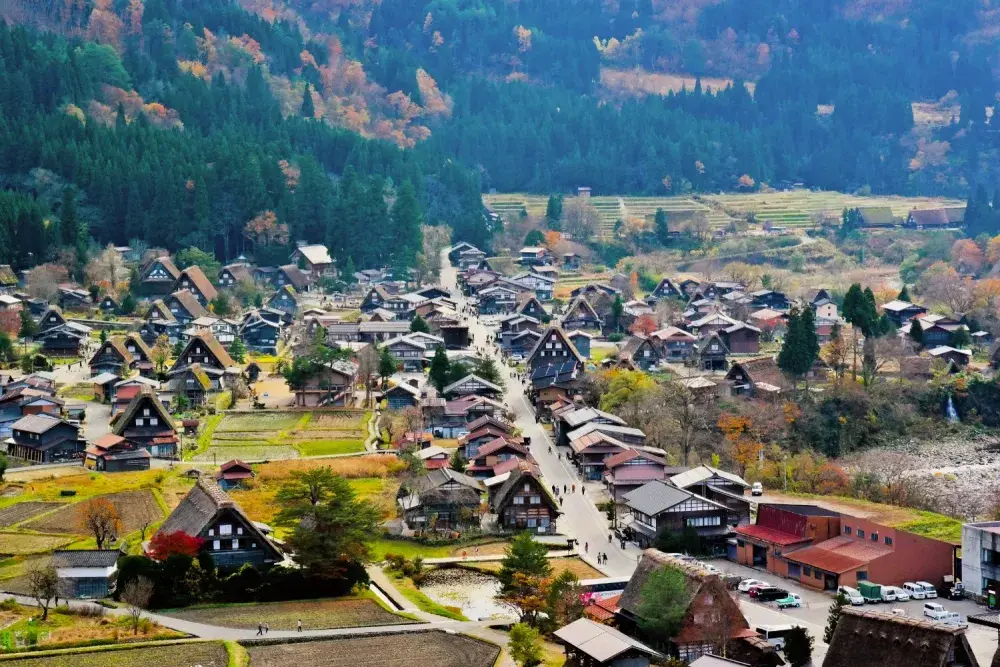
Ogimachi Village Observation Deck
Located at the northern end of the village, this point provides a panoramic view of the entire settlement and the surrounding valley.
Visit early between 08:00 and 10:00 to avoid heavy crowds.
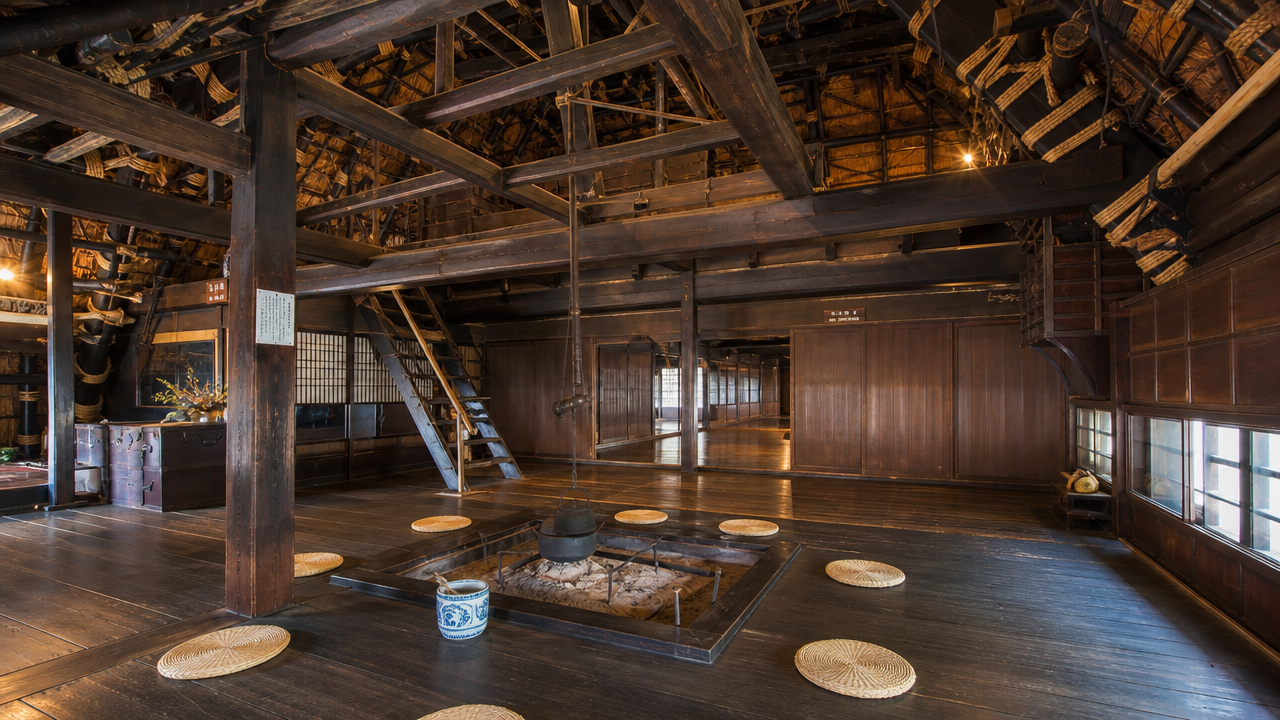
Wada House
As the largest gassho-zukuri structure in the village, this house functions as a museum showcasing historical living tools and artifacts.
Examine the roof construction from the second floor for structural insights.
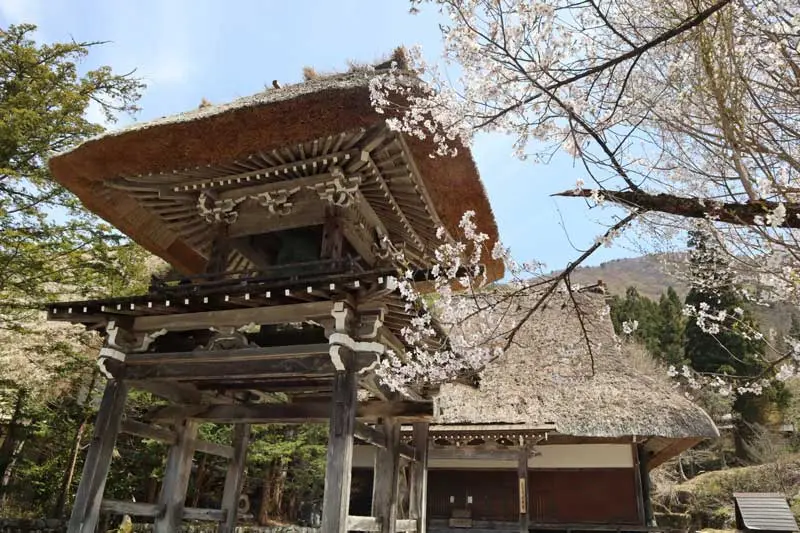
Myozen-ji Temple
This temple complex features a distinct gassho-zukuri main hall and a massive wooden gate, illustrating how religious structures adapted to the local style.
Check the temple's bell tower for a unique traditional design.
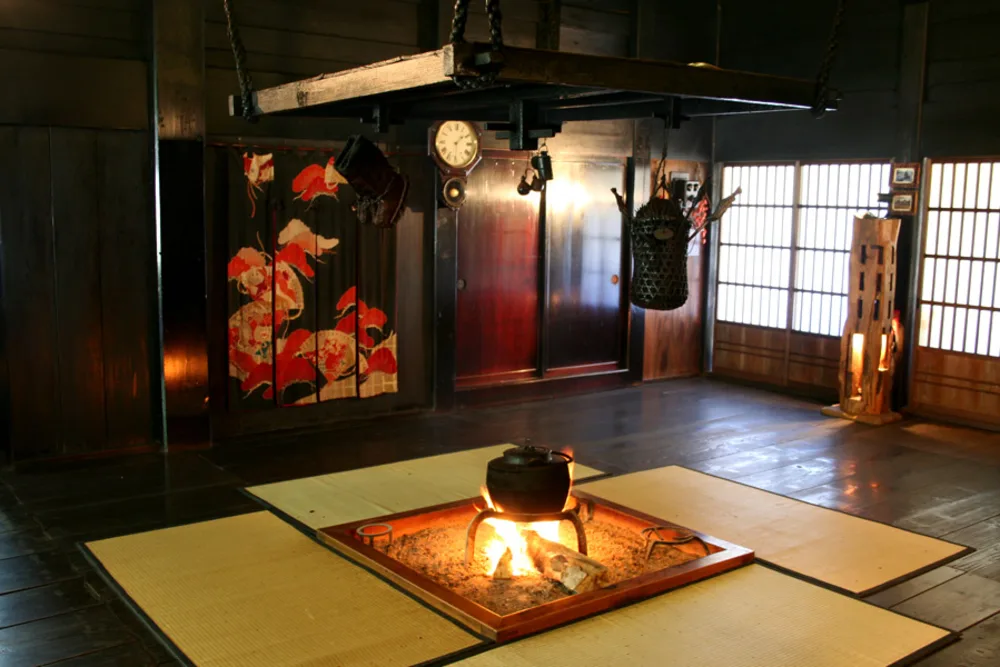
Kanda House
This historic residence offers visitors access to multiple floors where local traditions and agriculture are explained through preserved displays.
Focus on the ventilation gaps in the floorboards between levels.
Is Shirakawago Worth Visiting When Paired with Takayama?
Pairing Shirakawa-go with Takayama allows for a comprehensive look at the historical Gifu region, contrasting the rural, preserved lifestyle of Gassho-zukuri villages with the structured merchant history of Takayama's city center.
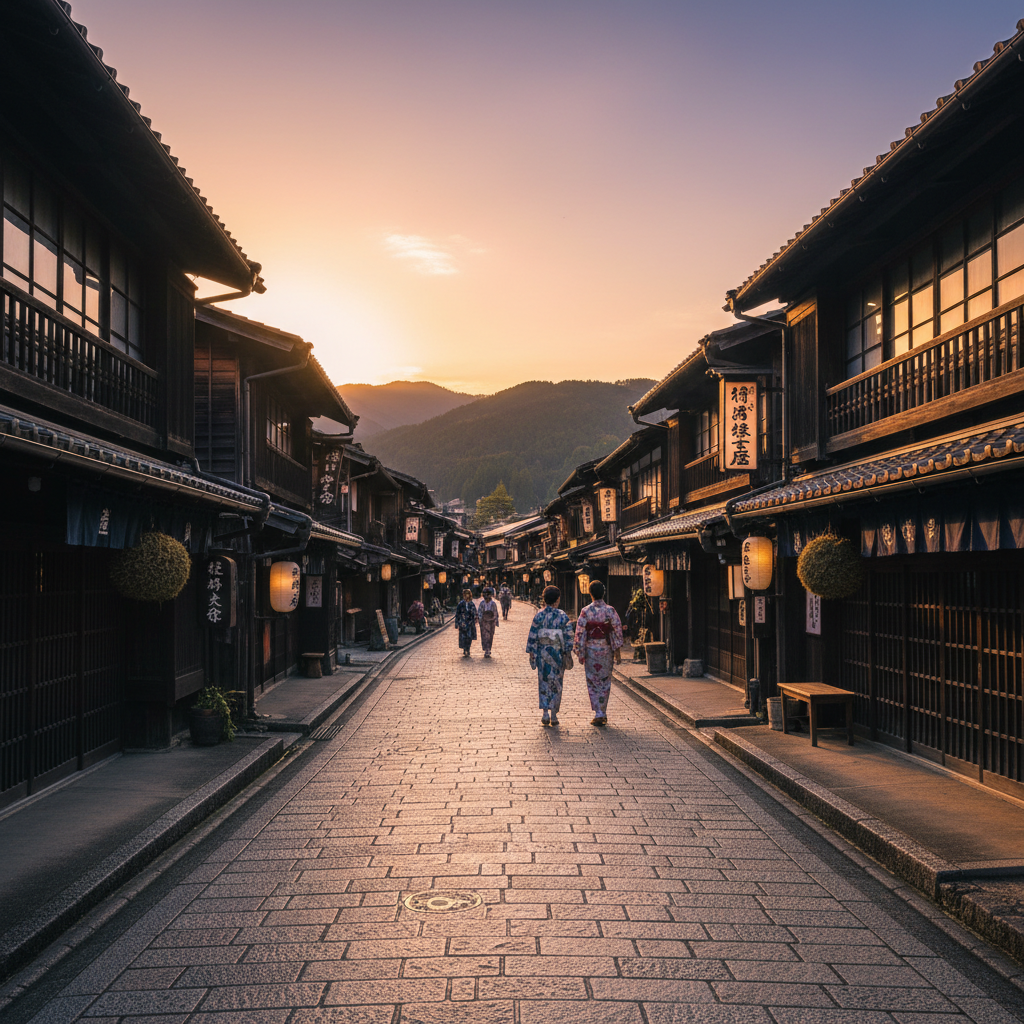
Takayama Old Town
This well-preserved district offers a dense collection of Edo-period merchant houses, sake breweries, and traditional shops that complement the rural focus of Shirakawa-go.
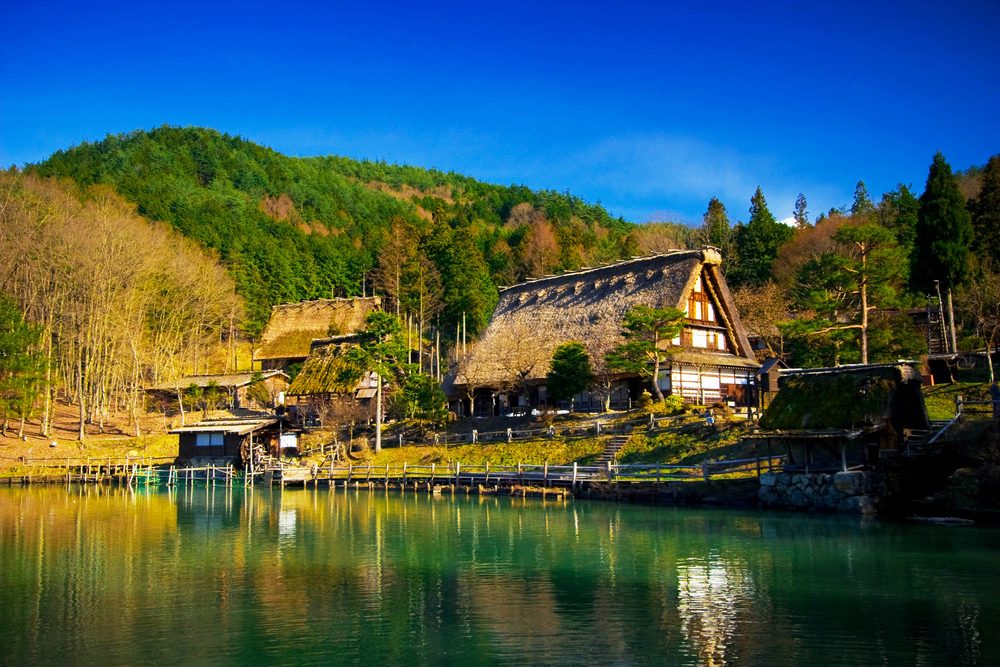
Hida Folk Village
This open-air museum displays various traditional structures moved from throughout the Hida region, providing architectural context for the building techniques seen at Shirakawa-go.
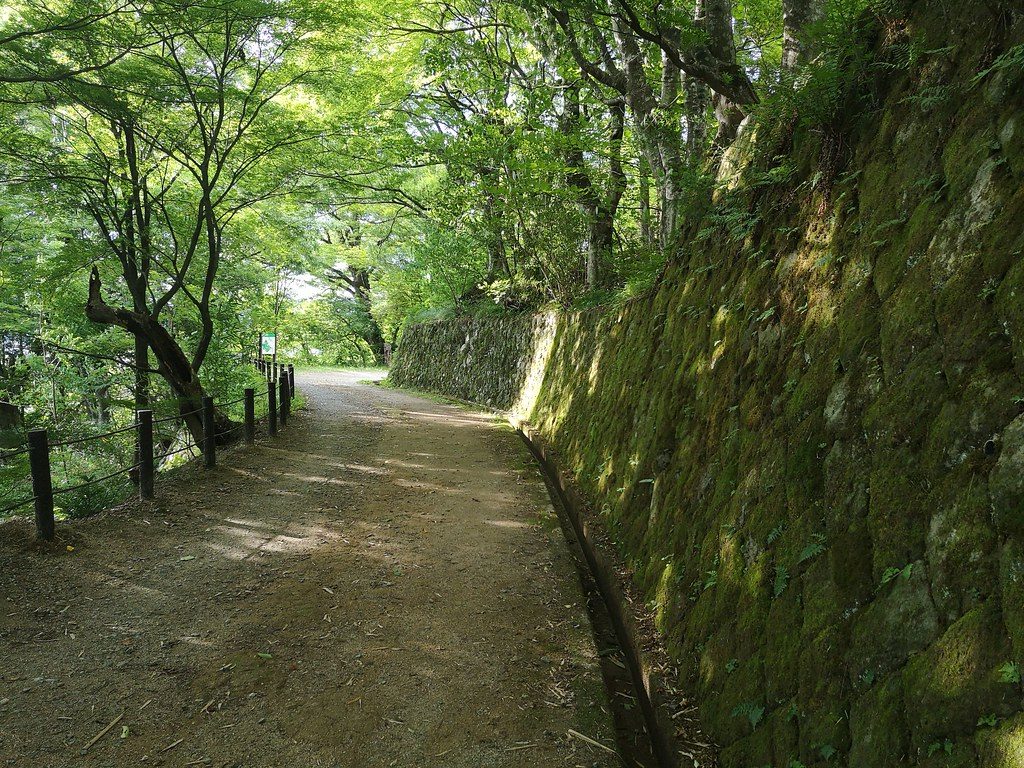
Shiroyama Park
Located in Takayama, this park offers walking paths and ruins of the former Takayama Castle, providing a quiet space to view the city after visiting the bustling village at Shirakawa-go.
Admission Fees: Is Shirakawago Worth Visiting for the Cost?
Visiting the village of Shirakawa-go itself is free of charge. Costs are instead associated with vehicle parking and optional entry into specific historical house museums.
A typical visitor pays 0 JPY for village entry, with costs incurred only when driving a vehicle or choosing to pay for interior tours of preserved houses.
Official Hours for Planning if Shirakawago Is Worth Visiting
The village remains accessible throughout the week to accommodate visitors planning their trip to Shirakawa-go.
| Monday | 08:00–17:00 | |
|---|---|---|
| Tuesday | 08:00–17:00 | |
| Wednesday | 08:00–17:00 | |
| Thursday | 08:00–17:00 | |
| Friday | 08:00–17:00 | |
| Saturday | 08:00–17:00 | |
| Sunday | 08:00–17:00 |
Check availability
Common questions about whether Shirakawa-go is worth visiting
Everything you need to know about is shirakawago worth visiting