
Quick answer
Shirakawa-go's Ogimachi village is open around the clock, 00:00–23:59 every day, and entry costs 0 JPY, so winter visits are shaped by daylight and snowfall rather than gates. Aim for the 08:00–09:00 arrival window, when parking and the lanes are clearest. Individual farmhouse museums and the viewpoint shuttle keep their own, shorter hours.
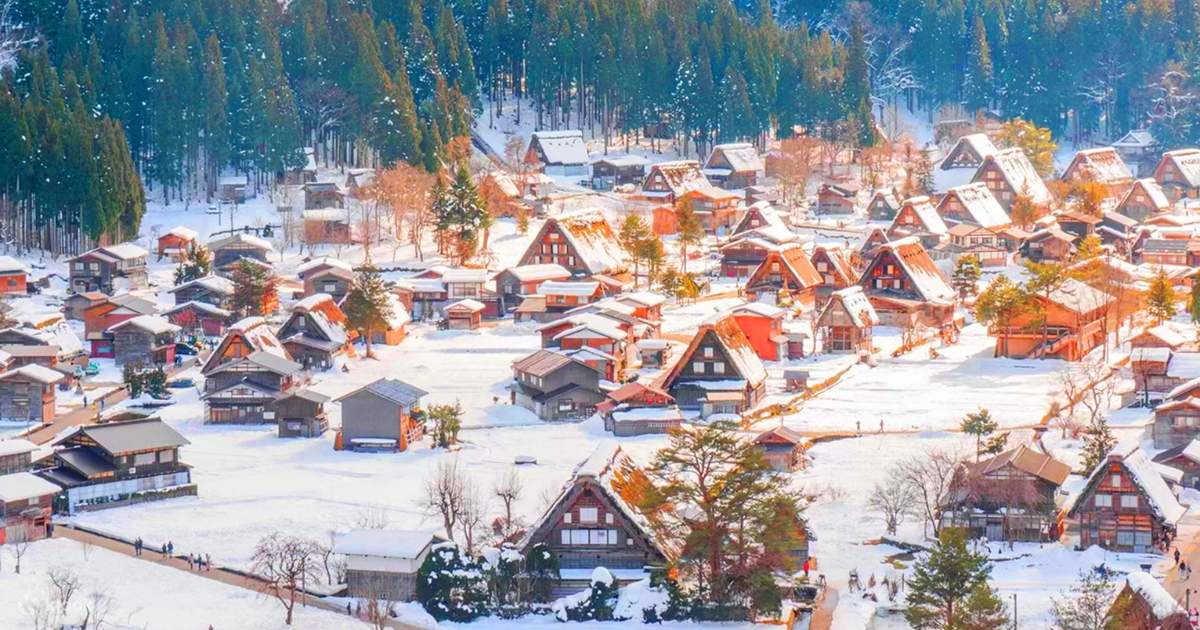
The thatched roofs of Ogimachi are lashed together with rope and wooden joints, not nails — a deliberately flexible frame built to carry deep snow rather than resist it. Understanding that construction is the shortest route to understanding what to do in shirakawago winter, because the village is not a museum set. These gassho-zukuri farmhouses are still lived in, still heated, still cleared by hand after heavy snowfall. Visitors walk lanes that residents shovel each morning. The UNESCO World Heritage listing covers a working settlement in Gifu Prefecture, and winter is the season when that distinction is most visible. Snow changes the geography of the valley. Paths narrow, the Shogawa river runs black against white banks, and the climb to the Shiroyama lookout — the angle every photograph is taken from — becomes a question of footwear rather than time. Most travellers pair the village with Takayama, the Hida castle town whose preserved merchant lanes sit an easy road journey east across the mountains. The two make a natural circuit: one settlement built for isolation, the other for trade. A 白川郷 冬 itinerary usually gives the village half a day and Takayama the rest, though the ratio shifts if the forecast turns. Money is rarely the constraint here. Time and weather are. Mountain roads close occasionally, buses fill in the peak snow weeks of January and February, and the narrow lanes hold far more people at midday than they do at first light. Light itself is short: the valley sits between high ridges, so the sun arrives late and leaves early, compressing the usable hours more than the clock suggests. Anyone weighing a Shirakawa-go winter tour against an independent visit is really weighing flexibility against certainty in a season that punishes vague plans. Read the rest of this page as a sequence rather than a list. The timing section explains the arrival window in detail, the hours section covers the pattern of access, the getting-there section handles roads and buses from Takayama and Kanazawa, and the highlights section names the specific houses and lookouts that justify the detour. Taken together, they answer what to do in shirakawago winter for a single day, an overnight stay in a farmhouse minshuku, or a wider loop through the Hida highlands.
“Snow does not decorate Ogimachi; it dictates the shape of the day.”
Transportation Routes for What to Do in Shirakawa-go Winter
Shirakawa-go is located in the remote mountains of Gifu Prefecture, typically accessed via Takayama. The Nohi Bus service provides the most direct public transportation route between Takayama and the village.
Nohi Bus from Takayama Nohi Bus Center to Shirakawa-go
Tokai-Hokuriku Expressway to Shirakawa-go IC
Essential Sightseeing for What to Do in Shirakawa-go Winter
Winter in Shirakawa-go centers on the preserved gassho-zukuri farmhouses nestled within the snow-covered valley. These landmarks offer a glimpse into traditional mountain life during the coldest months of the year.
Shiroyama Viewpoint
This elevated position provides a comprehensive perspective of the village architecture against a snowy backdrop.
Walk up the path early to secure a clear vantage point.
Shiroyama Viewpoint snowy village overview
Wada House
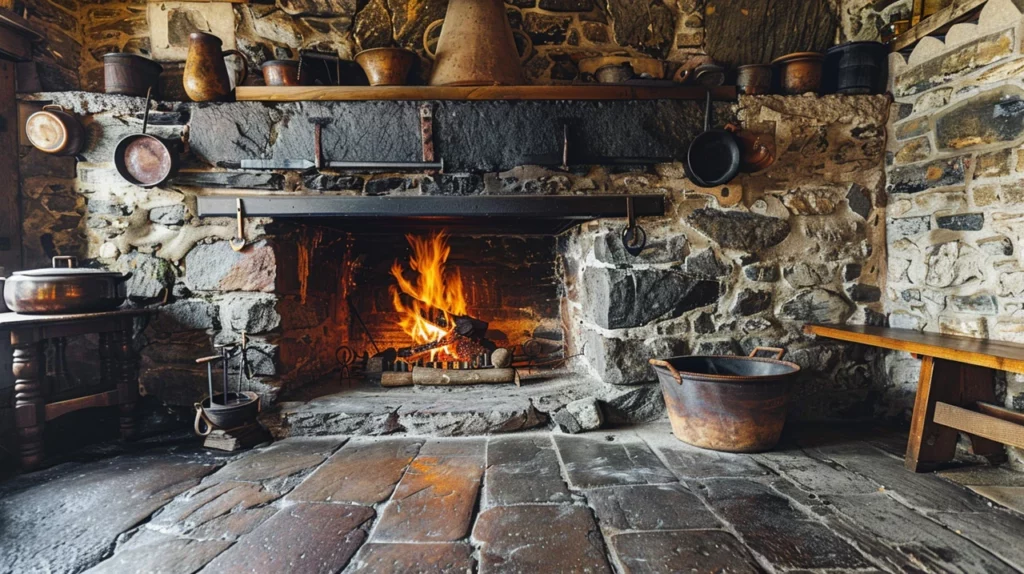
As the largest gassho-zukuri structure in the village, this site is open for visitors to examine the interior timber construction.
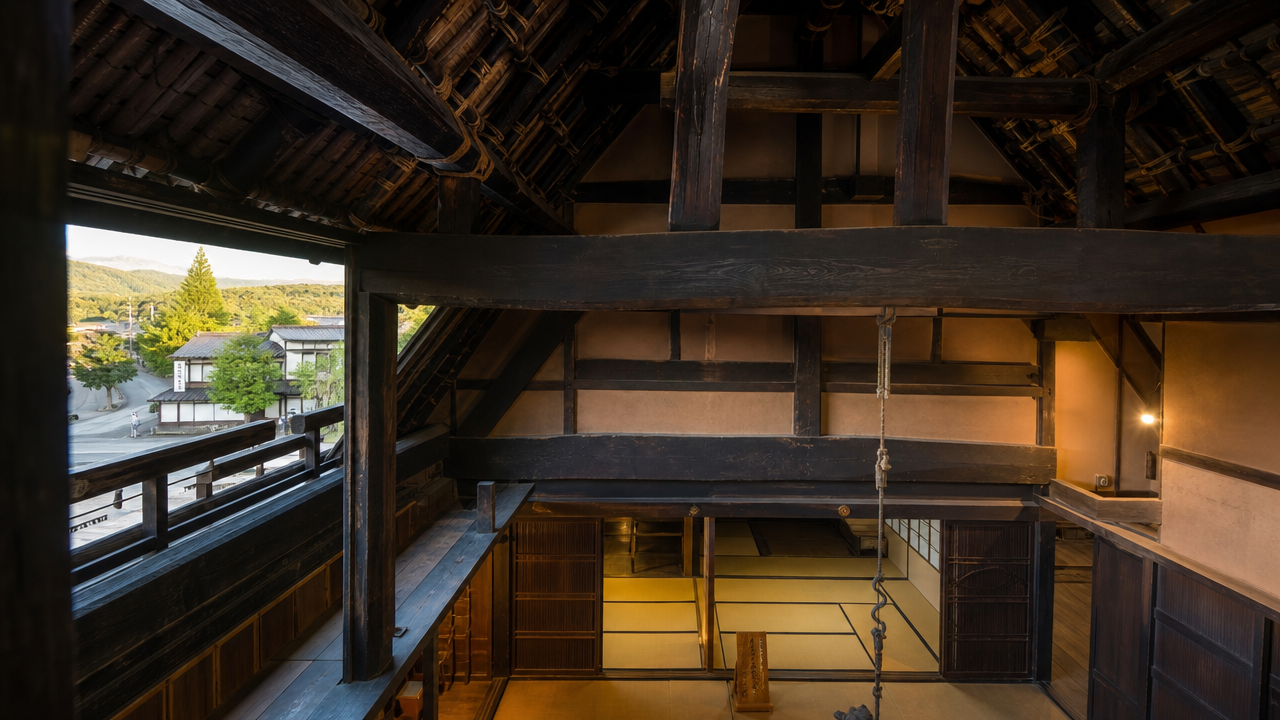
Wada House interior timber structure
Nagase House
This multi-story house showcases historical medical tools and agricultural equipment used by the family who lived here for generations.
Nagase House exterior roof detail
Myozen-ji Temple
This temple complex features a unique gassho-style gate and main hall, surrounded by deep snow during the winter months.
Myozen-ji Temple winter scenery
Seasonal Events: What to Do in Shirakawa-go Winter
Winter in Shirakawa-go is defined by the heavy snowfall that blankets the historic village and the specialized illumination events that follow. Planning your visit around these dates requires early coordination due to increased visitor volume.
Shirakawa-go Winter Light-Up
Select evenings in January and February feature illuminated gassho-zukuri farmhouses. These nights attract significant crowds and require pre-booked parking or tour arrangements.
Shirakawa-go Winter Light-Up
The illumination series concludes in February with final evening sessions. Village access is highly regulated during these times to manage pedestrian density.
Doburoku Festival (Shirakawa-go)
Held in spring, this festival involves traditional rituals and the distribution of sacred sake. While outside the peak winter months, it serves as a significant cultural event for visitors exploring the region.
Official Hours for What to Do in Shirakawa-go Winter
The Shirakawa-go village is open daily throughout the winter season, providing consistent access for visitors exploring the historic area.
| Monday | 00:00–23:59 | |
|---|---|---|
| Tuesday | 00:00–23:59 | |
| Wednesday | 00:00–23:59 | |
| Thursday | 00:00–23:59 | |
| Friday | 00:00–23:59 | |
| Saturday | 00:00–23:59 | |
| Sunday | 00:00–23:59 |
Admission Fees for What to Do in Shirakawa-go Winter
Access to the Shirakawa-go village is free for all visitors. Costs associated with arrival typically depend on whether you are traveling by private vehicle.
A typical adult visitor pays 0 JPY for village entry, though drivers must pay a parking fee.
Preparation Checklist: What to Do in Shirakawa-go Winter
Winter in Shirakawa-go rewards visitors who sort out bookings, footwear and warm layers well before they set off from Takayama.
-
Reserve winter bus seats early — Nohi and Hokutetsu services from Takayama and Kanazawa sell out in January and February.
-
Book accommodation months ahead — Gassho-style lodging in Ogimachi is limited and fills first for snow-season dates.
-
Reserve a parking space if driving — Parking is paid and fills quickly once day-trippers arrive.
-
Pack waterproof boots with grip — Village paths stay packed with snow and ice, and cleared paths refreeze overnight.
-
Bring layers, gloves and a hat — Temperatures sit below freezing for much of the day in the valley.
-
Fit winter tyres or chains — Prefectural roads into the valley require them and are checked in snow conditions.
-
Carry cash and check the forecast — Smaller shops may not take cards, and heavy snow can delay road access; the official site is https://shirakawa-go.gr.jp/.
-
Aim to arrive 08:00–09:00 — Arriving early helps avoid heavy tourist crowds and parking congestion.
Check availability
Frequently asked questions about what to do in shirakawago winter
Everything you need to know about what to do in shirakawago winter