5 hr
Shirakawa-go UNESCO Village Morning Tour from Kanazawa
- Entry ticket
- Mobile voucher
- Valid same day
- Free cancellation
Shirakawago Private Tour From Kanazawa — Ogimachi & Takayama by Private Car
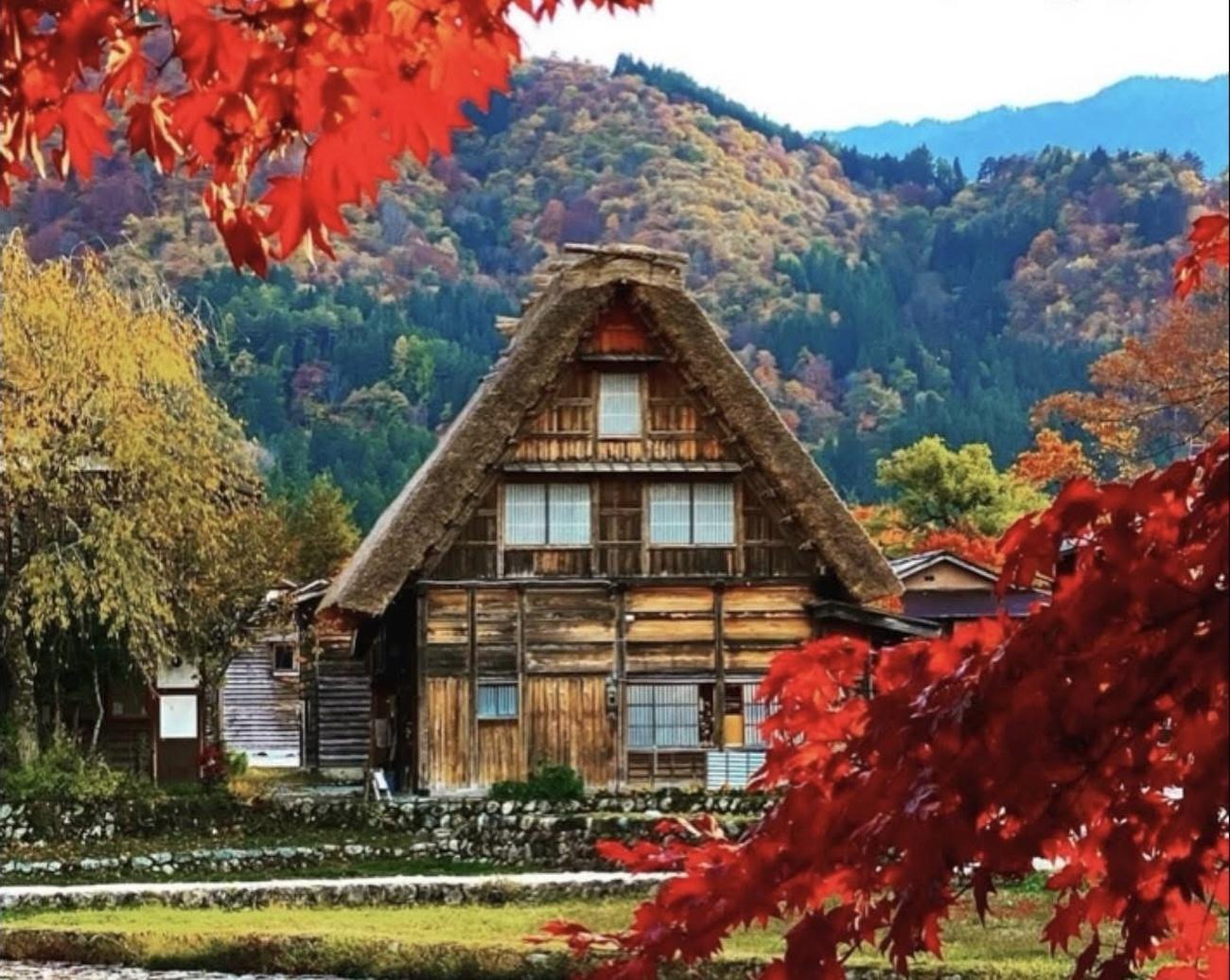
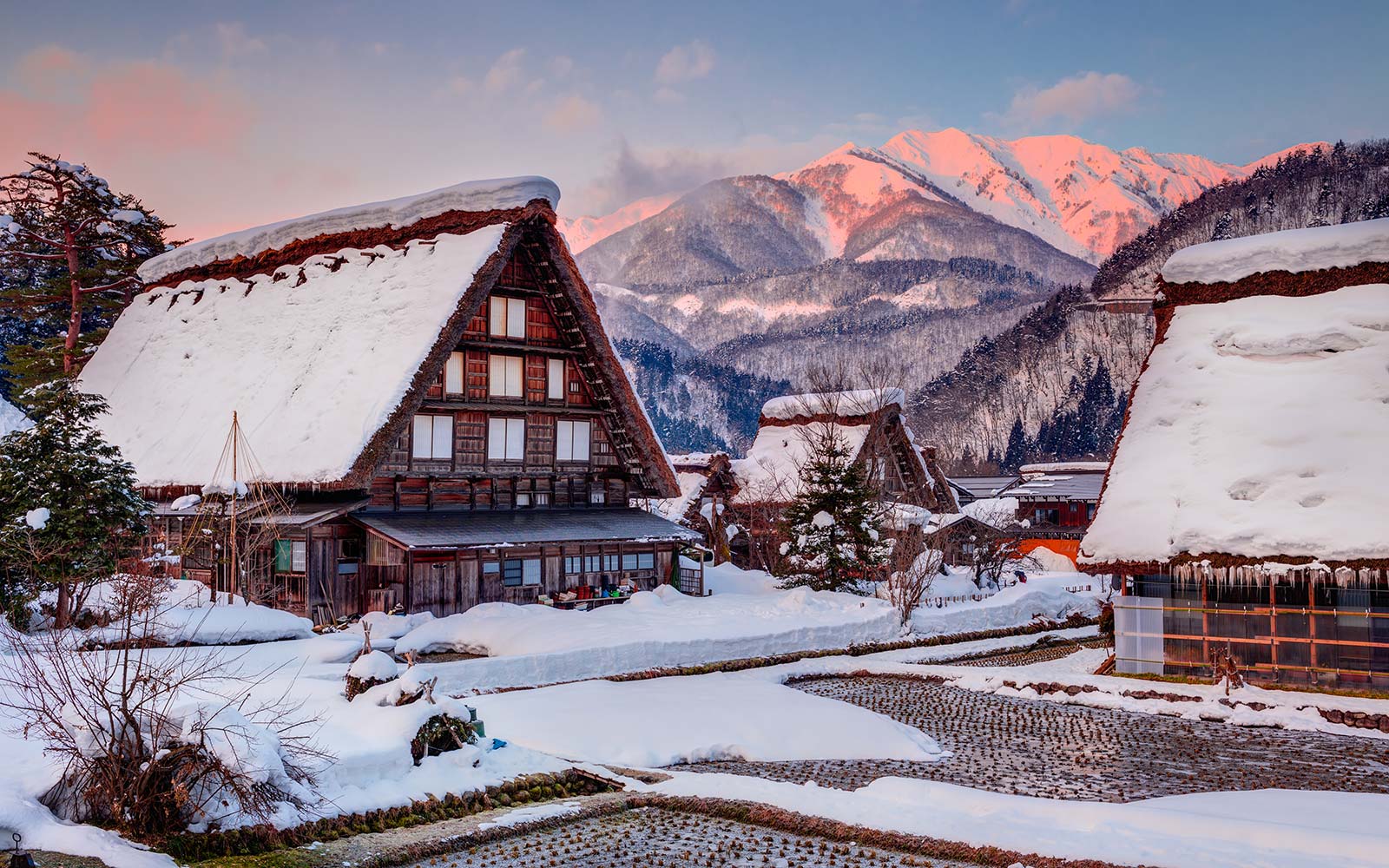
Thatch above snowmelt streams, mountains folded around a valley.
Compare fares, pick the fit — all bookings are mobile-voucher and eligible for free cancellation where shown.
5 hr
8 hr
24 hr
| Experience | From | Duration | Rating | Transfers | Pickup | Free cancel. | Price | |
|---|---|---|---|---|---|---|---|---|
|
Standard Entry
Most popular
Shirakawa-go UNESCO Village Morning Tour from Kanazawa
|
Kanazawa | 5 hr | ★ 4.9 | ✓ | — | ✓ | €65 | Book → |
|
Luxury / Private
Shirakawa-go & Takayama Private Day Tour
|
— | 8 hr | ★ 4.8 | ✓ | ✓ | ✓ | €426 | Book → |
|
Luxury / Private
Private Shirakawa-go & Takayama Heritage Tour
|
— | 24 hr | ★ 4.8 | ✓ | ✓ | ✓ | €440 | Book → |
Worth it for time-tight travellers, not budget solos
Entry to the village itself costs 0 JPY (Free entry to village; parking fee charged at main gate), so a shirakawago private tour from kanazawa is not buying access — it is buying the road. The Hakusan crossing is the cost centre: you pay for a driver who leaves early enough to hit the 08:00–10:00 arrival window, which avoids peak daytime crowds and tour bus arrivals at Ogimachi. That timing is the real product. Options range from the Shirakawa-go UNESCO Village Morning Tour from Kanazawa to a full Shirakawa-go & Takayama Private Day Tour, plus a Takayama to Kanazawa Bus Transfer via Shirakawa-go if you only need the link. Private pays off for families, groups of three or more, and anyone continuing to Takayama. Solo travellers on a loose schedule get most of the gassho-zukuri thatch and Shogawa valley views on the public coach for far less.
Bottom line: Book the private Kanazawa–Shirakawa-go tour if you are two-plus and heading onward to Takayama; otherwise take the coach and keep the difference.
They complement each other; most visitors who do both call the shirakawago private tour from kanazawa the more efficient choice for combining two distinct landmarks in one day.
|
Top pick Private Tour |
Public Bus | |
|---|---|---|
| Transport Type | Private vehicle/van | Highway bus (Nohi/Hokutetsu) |
| Flexibility | High (custom stops) | Fixed schedule/routes |
| Duration | Full day (9–10 hours) | 75–90 minutes one-way |
| Price | High (per vehicle/group) | 2,800 JPY (one-way) |
| Convenience | Door-to-door service | Station-to-terminal travel |
| Who it suits | Families or groups | Solo travelers and backpackers |
| See tickets & prices |
Verdict: If you prioritize comfort and visiting both Takayama and the village in a single day, booking a shirakawago private tour from kanazawa is superior, whereas public tickets are ideal for budget-conscious travelers focusing only on one destination.
Hand-picked experiences loved by thousands of travelers
7 hours
Free Cancellation
Scenic countryside transfer with 2.5-hour stopover in UNESCO-listed Shirakawa-go village
8 hours
Free Cancellation
Discover UNESCO-listed gassho farmhouses and Edo-era streets on a fully customizable private excursion
8.5 hours
Free Cancellation
Full-day exclusive journey through UNESCO villages and historic mountain towns with personal guide
8 hours
Free Cancellation
Explore UNESCO-listed Gassho farmhouses and historic Takayama streets on a fully customizable private tour.
8 hours
Free Cancellation
Private day trip through Japan's alpine heritage: UNESCO village, open-air museum, and Edo-era streets
3 hours
Free Cancellation
Discover four legendary sites in one seamless morning with expert storytelling and included taxi transfer.
You leave Kanazawa early, and the expressway climbs almost immediately — tunnels, then the Shogawa gorge opening below the guardrail. Arrive in the 08:00–10:00 window and you get the village before the coach parks fill; the gate opens at 08:00 and the day settles at 17:00.
Your driver handles the parking fee at the main gate. Entry to Ogimachi itself is free.
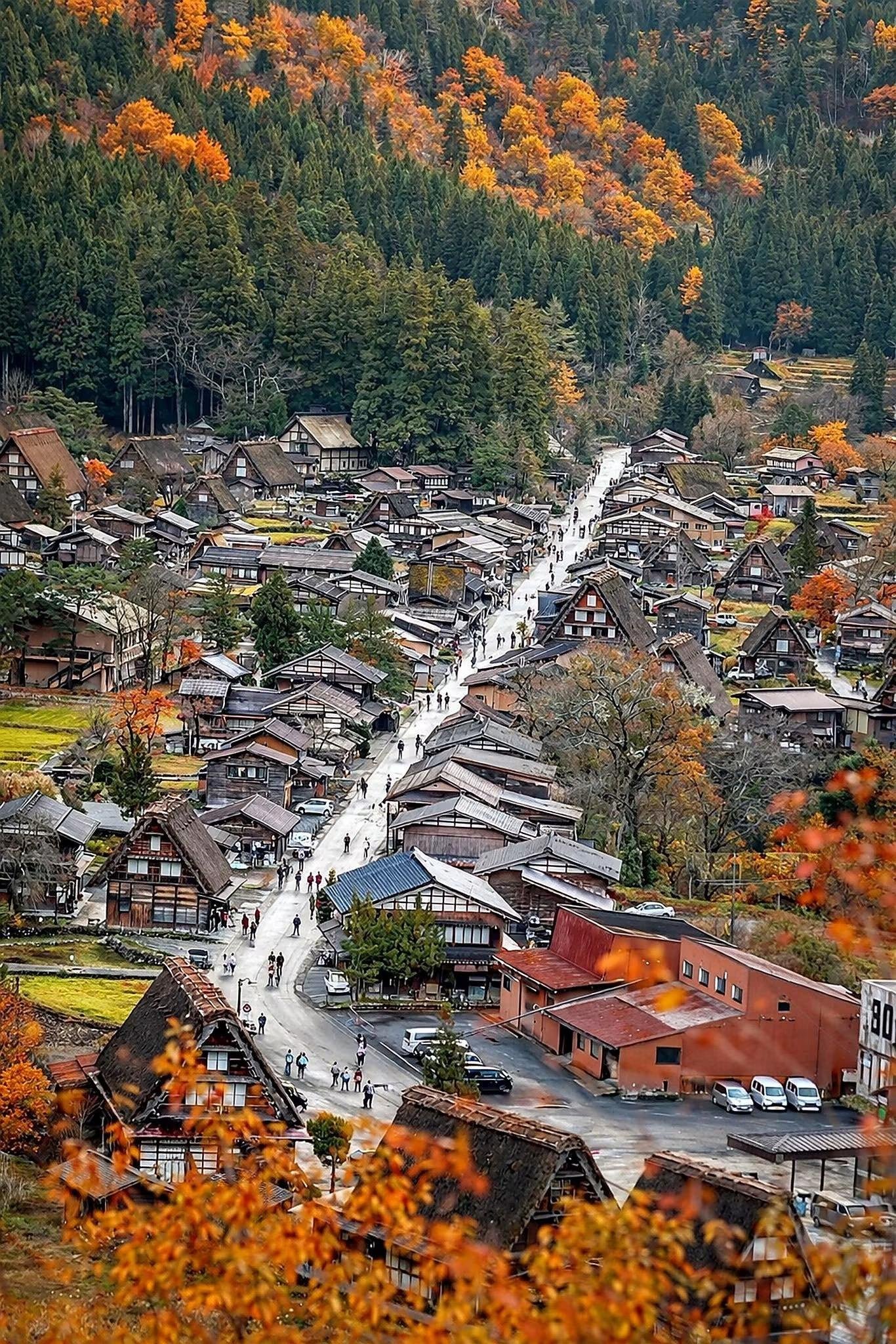
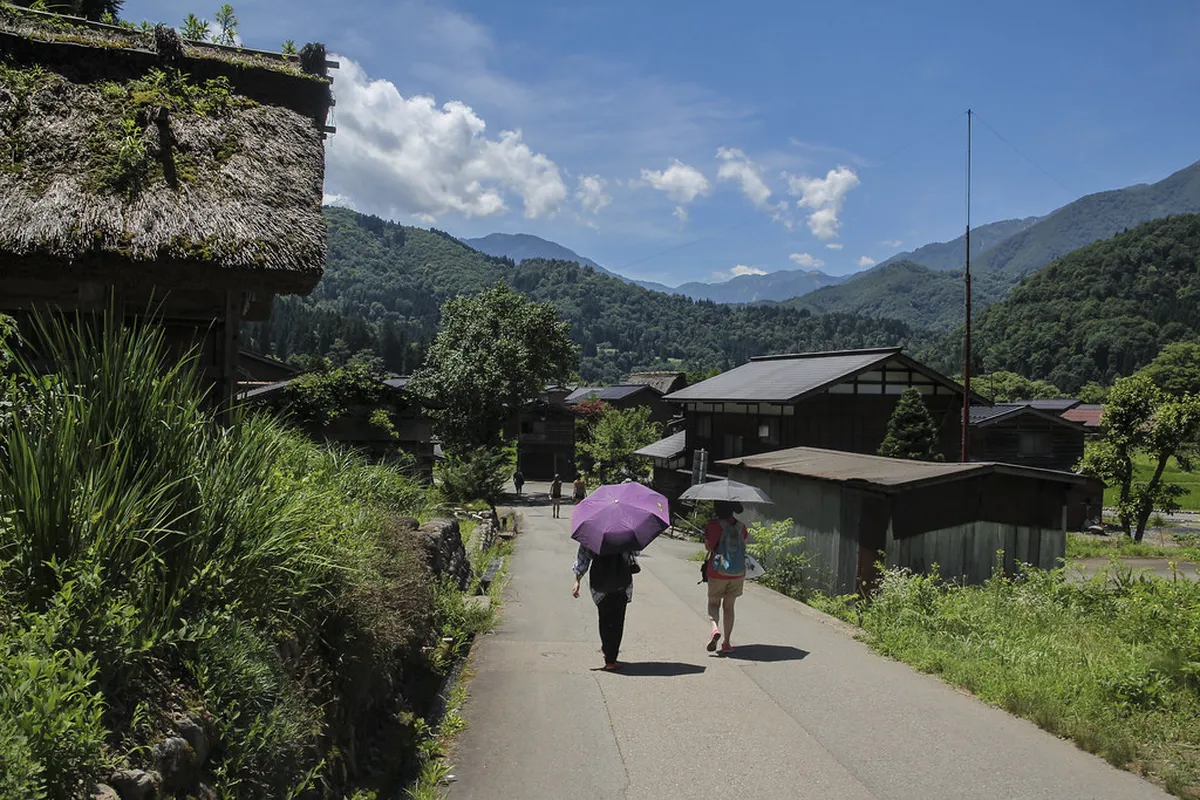
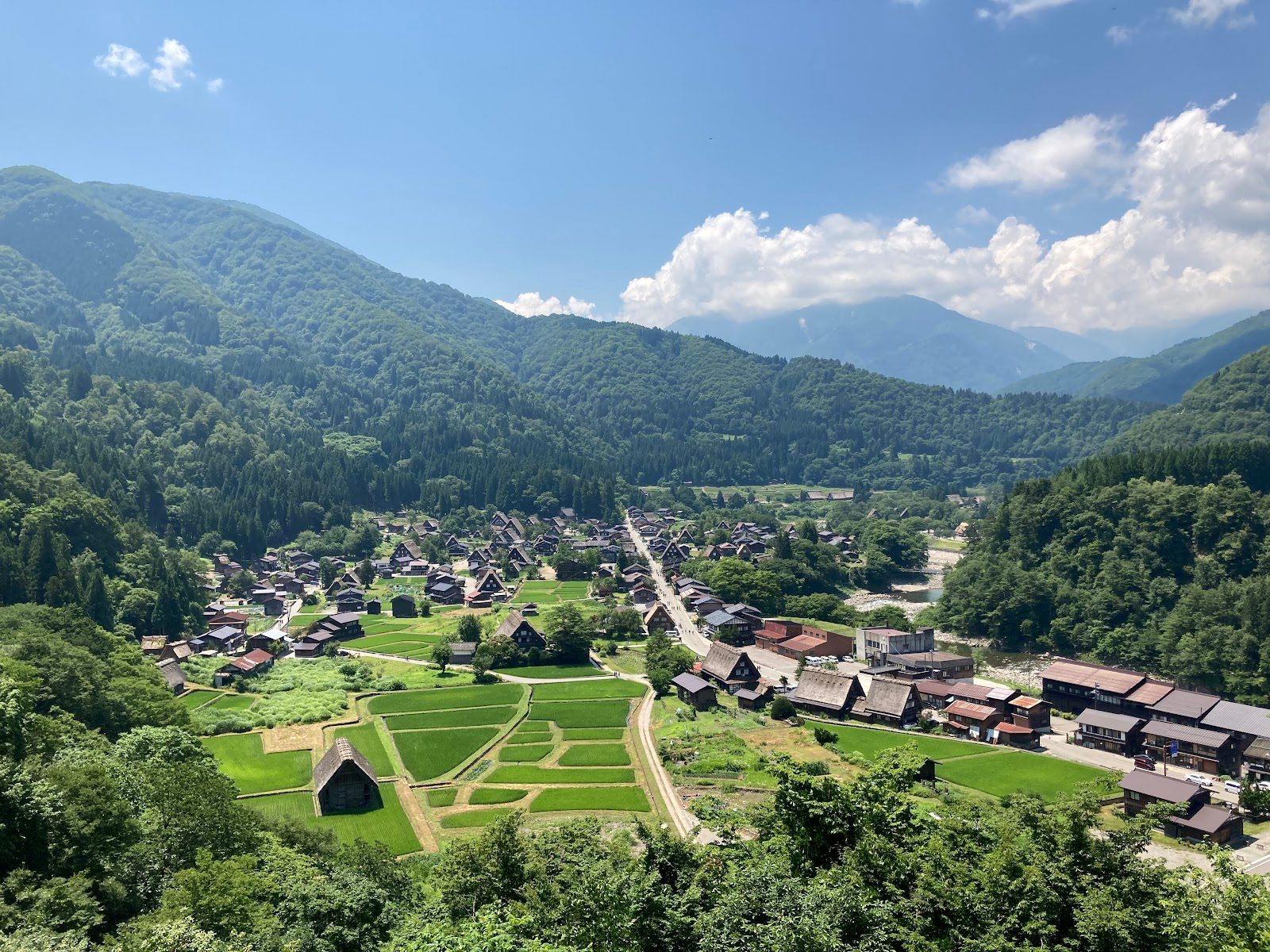
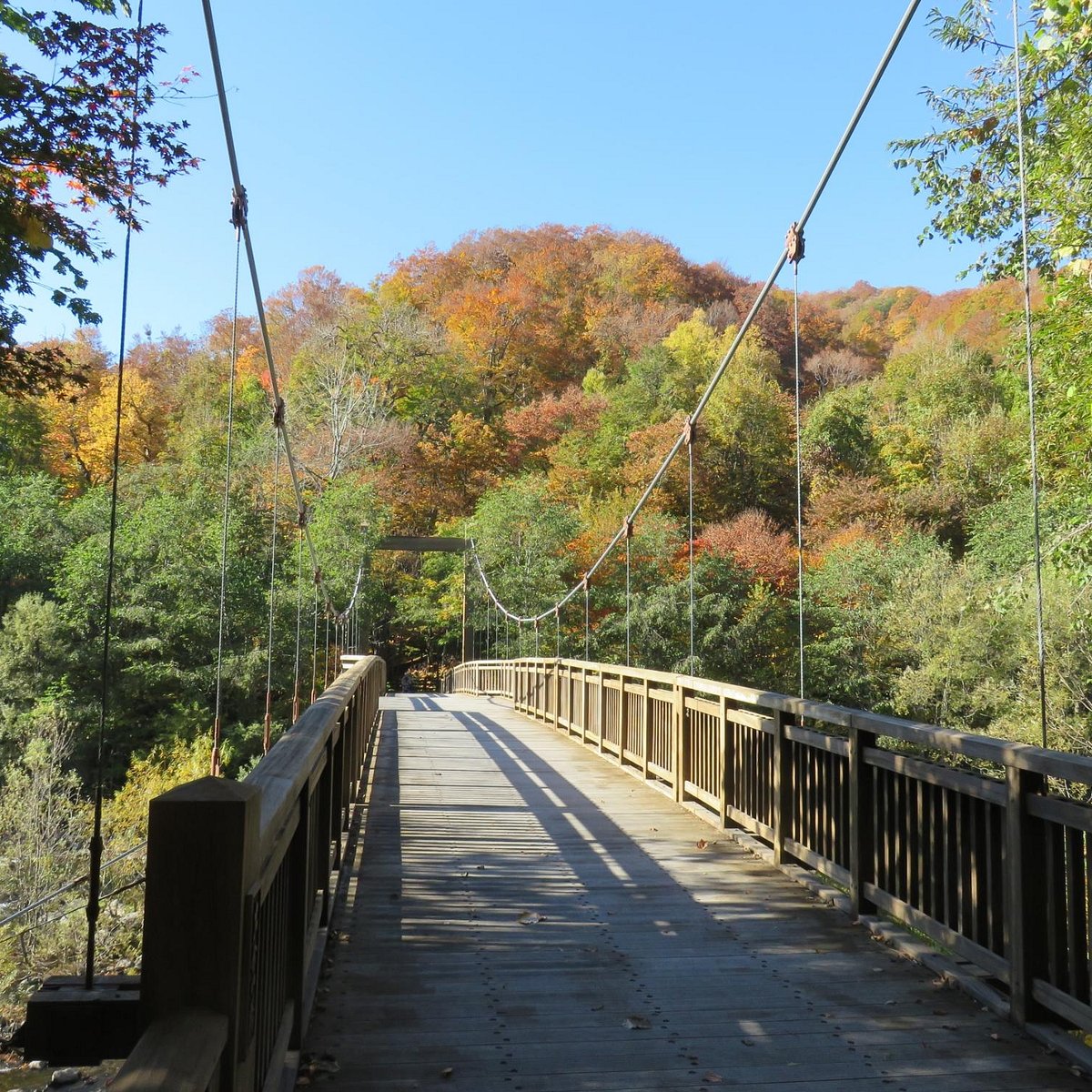
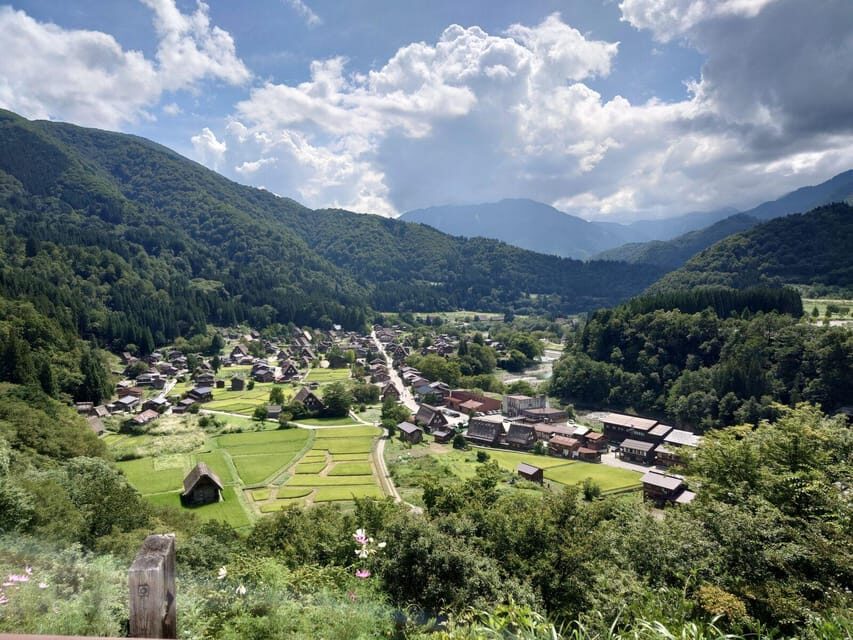
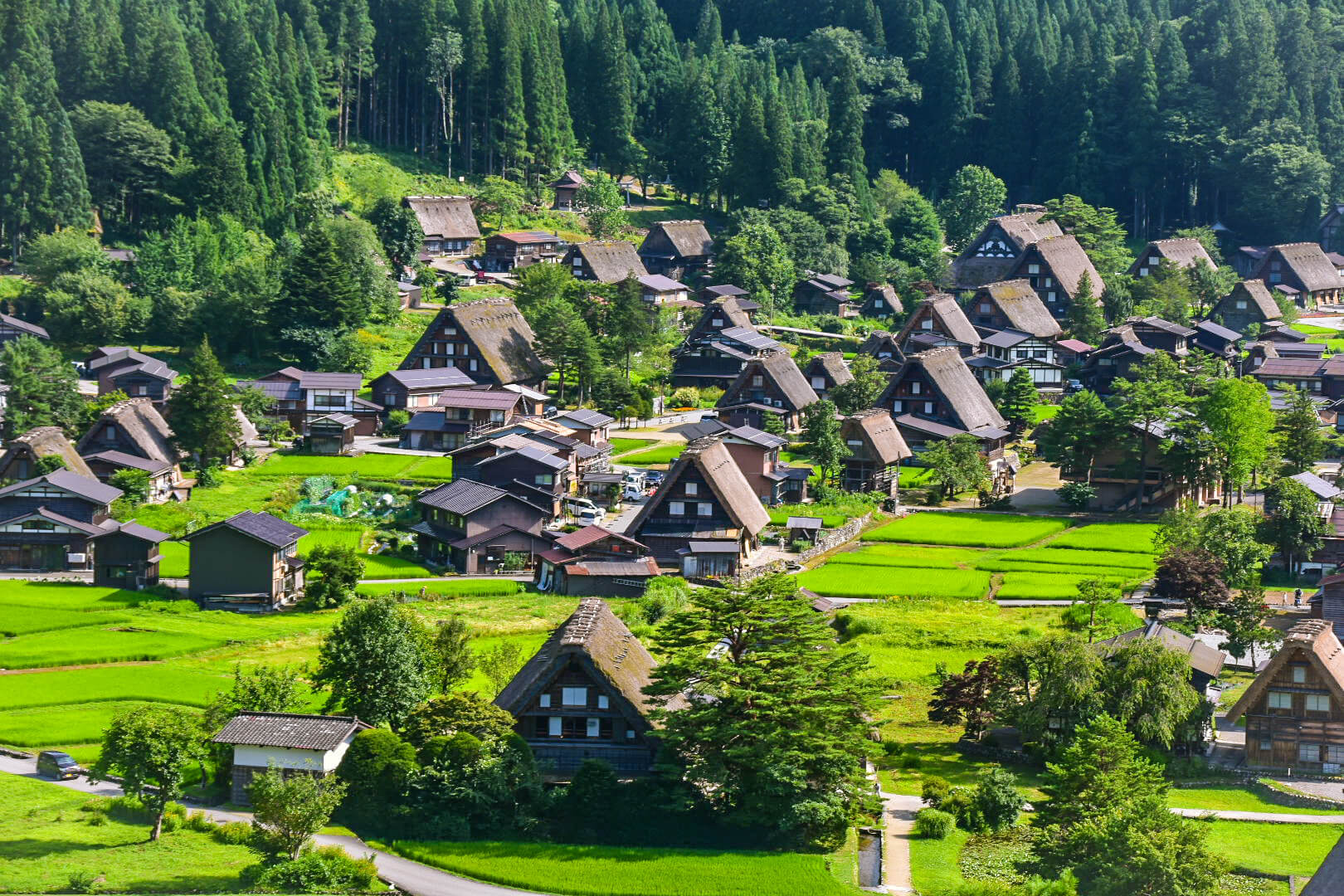
Cross the Deai suspension bridge on foot, the river running fast and grey-green beneath the slats. Then walk the lanes rather than the main road: irrigation channels run alongside, carp visible in the clear water, and the paddies mirror whatever the sky is doing. Duck into one open farmhouse and climb the ladder-stairs to the attic floor, where you can see the rope lashings that hold four storeys of roof frame together. Smell the hearth smoke in the beams. From the Shiroyama viewpoint above the village, the roofs read as a single fleet.
Back in the car by early afternoon, you cross into the Hida basin. A shirakawago private tour from kanazawa usually gives you Takayama's Sanmachi district next — dark cedar facades, sugidama cedar balls hung outside the sake breweries. Compare that trip with a Shirakawa-go and Takayama private day tour before you choose, and secure the option that fits your pace.
All the details about your upcoming adventure in one place
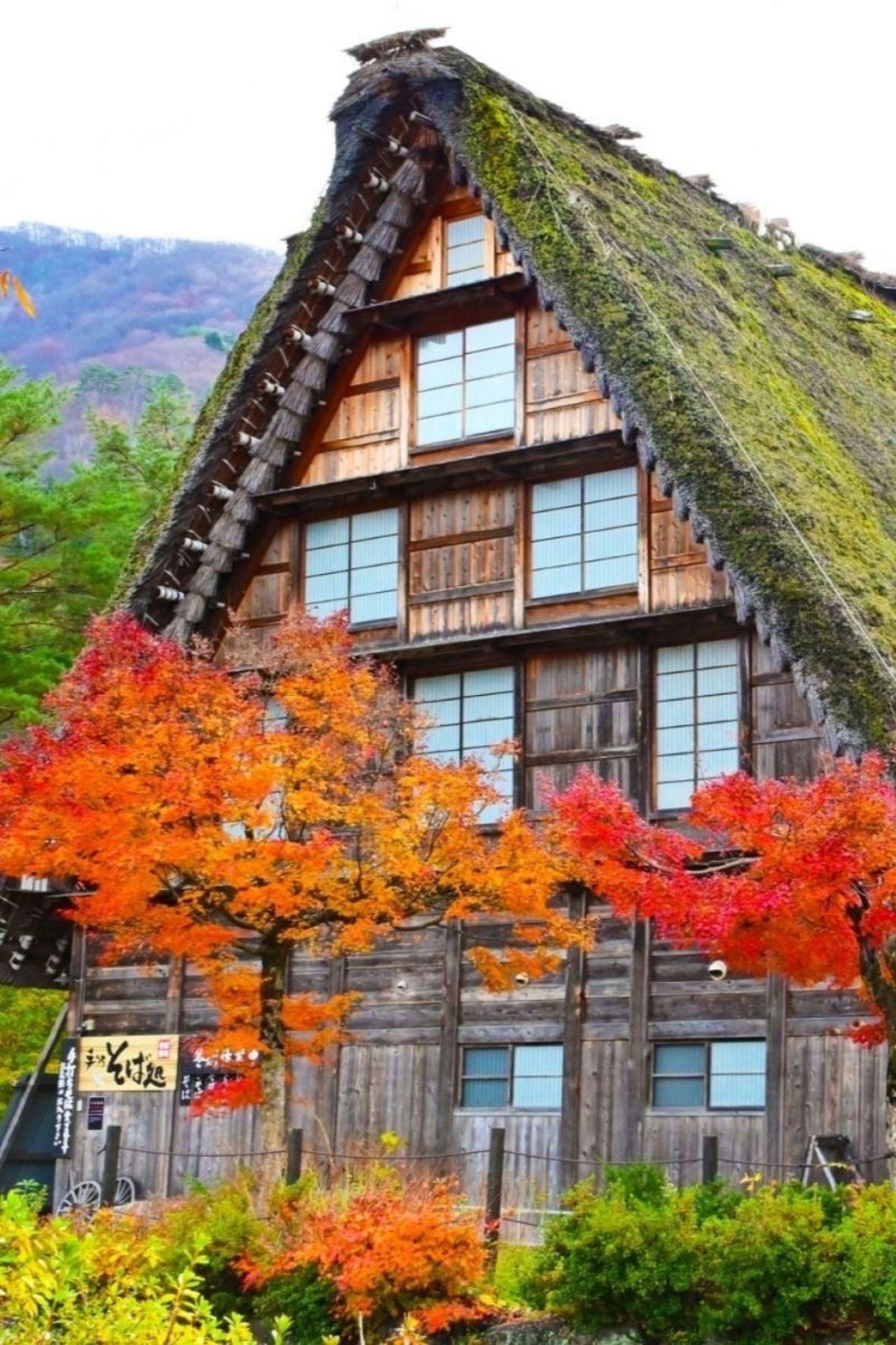
Shirakawa-go's steepest roofs are pitched at roughly sixty degrees — an angle calculated not for beauty but for snow, which falls here by the metre and would crush a shallower frame. That single structural decision shaped an entire architectural language.
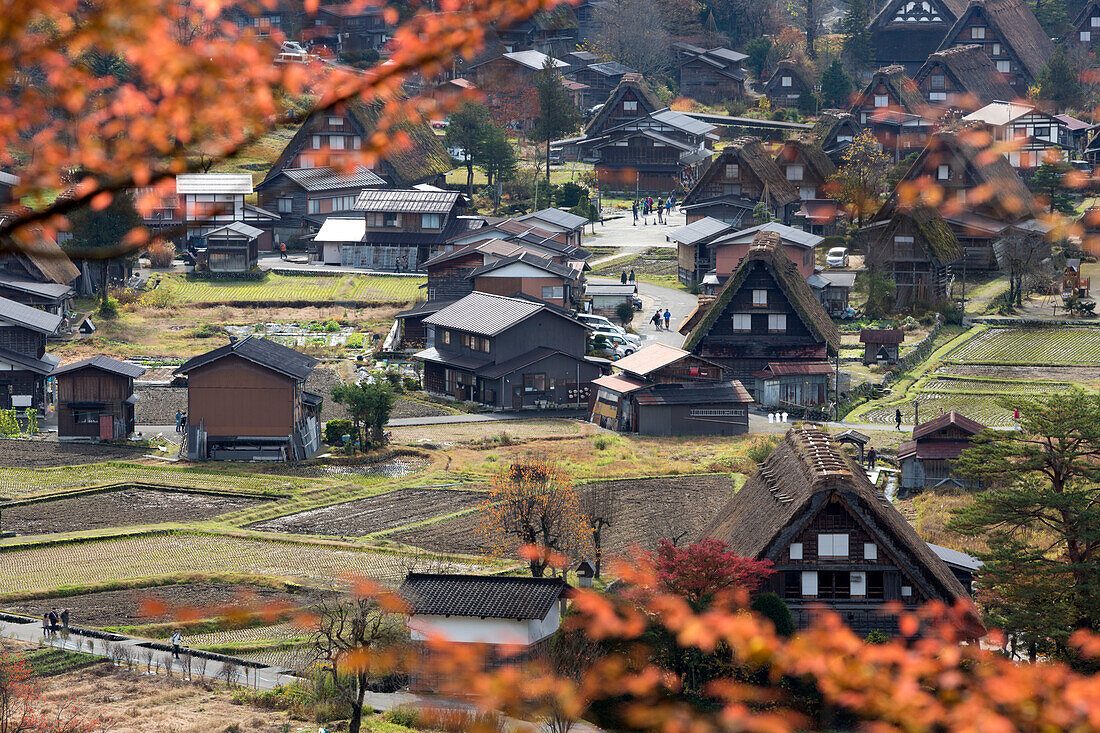
The gassho-zukuri farmhouses take their name from hands pressed together in prayer, and the largest of them stand four storeys tall without a single nail in the roof frame, bound instead with rope and pliant witch hazel.
Ogimachi, the largest surviving hamlet, sits in the Shogawa river valley in Ono-gun, Gifu, ringed by mountains that kept it isolated well into the twentieth century. Roughly 110 gassho houses remain across Ogimachi and the neighbouring Gokayama hamlets, inscribed jointly on the UNESCO World Heritage list in 1995. Isolation was the preservation mechanism. It was also the economy: the vast attic floors, ventilated by open gables, once housed silkworm cultivation and the production of saltpetre for gunpowder, work that filled the long months when the valley was cut off by snow.
What gives the village its continuing weight is that it was never converted into a museum. People live in these houses. Roofs are rethatched on a rotation of thirty to forty years by yui, a mutual-labour compact in which the whole community turns out for a single family's roof — a hundred hands moving miscanthus reed in a day. That obligation, not any preservation ordinance, is why the silhouette survives. A shirakawago private tour from kanazawa is best understood as entry into a working settlement rather than a heritage site, which is why the village itself charges no admission: entry is free, with a parking fee collected at the main gate.
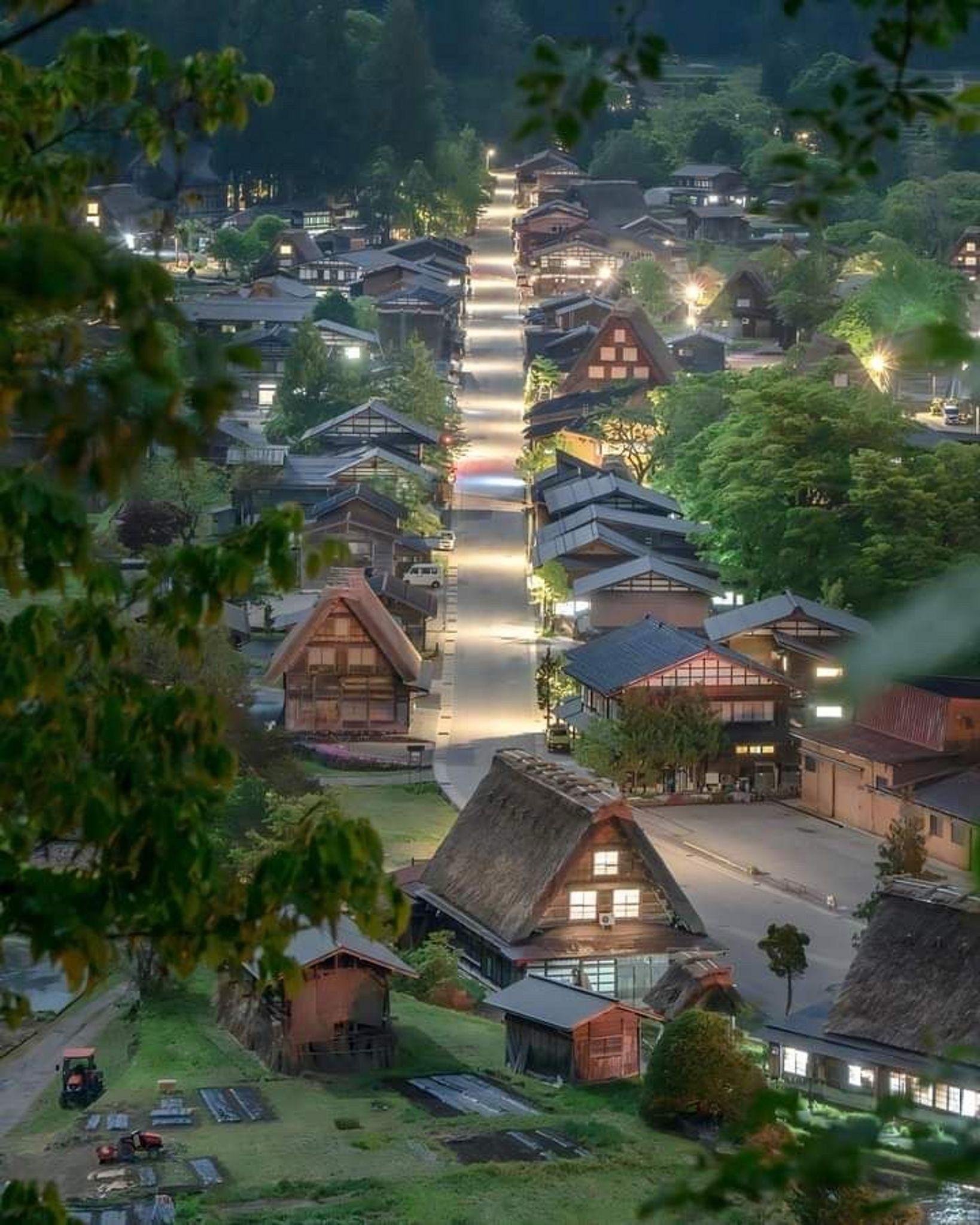
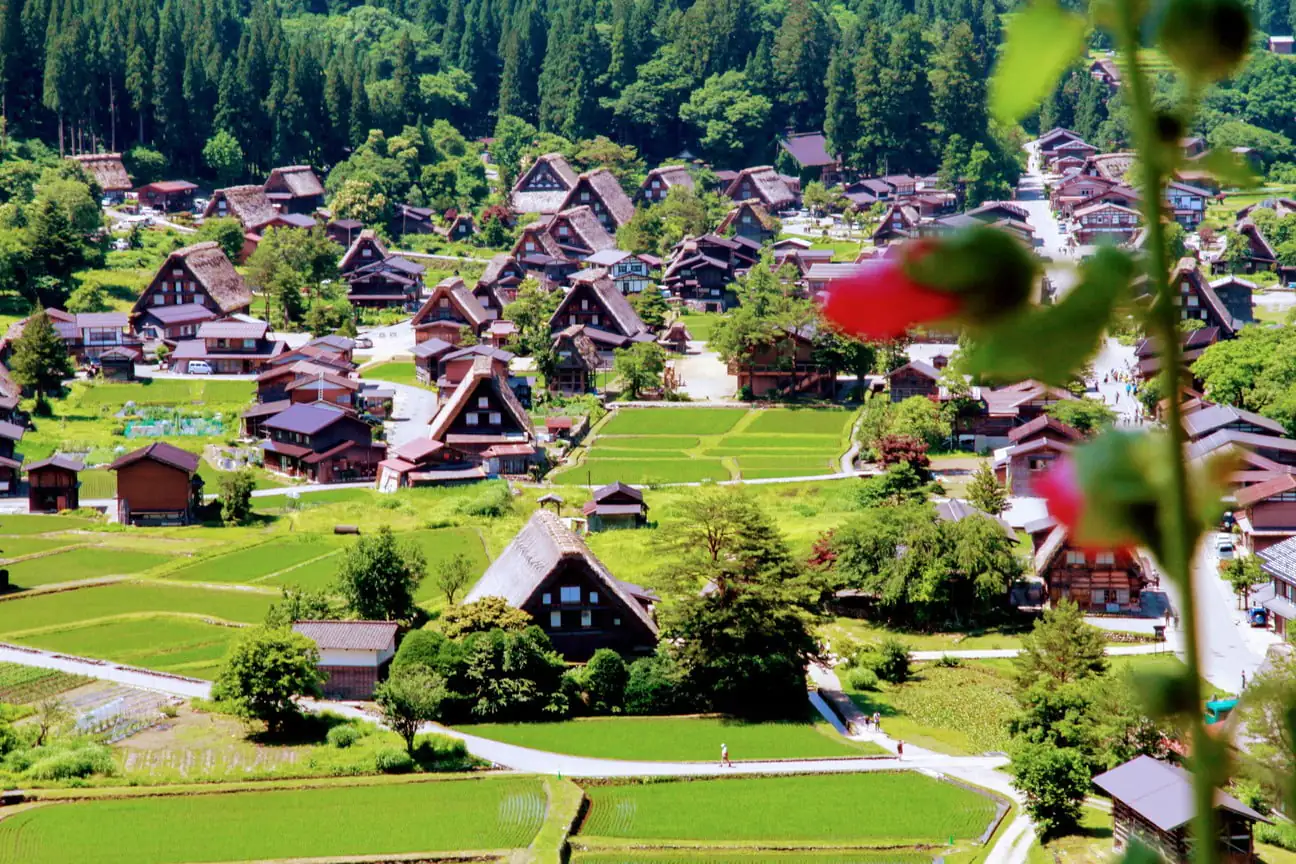
The architecture rewards close reading. Gables face consistently north and south, aligning the houses with the valley wind to reduce load and speed the drying of thatch. Wada House and the Kanda House show the smoke-blackened beams that come from decades of hearth fires — soot that preserves the timber against insects. Above the village, the Shiroyama viewpoint compresses the whole grid of roofs into one frame.
Takayama, an hour east across the Gifu highlands, supplies the counterpoint: merchant townhouses, sake breweries, and the lacquered festival floats of a castle town that grew rich on timber. Private tours from Kanazawa routinely pair the two, and shirakawago private tour from kanazawa tours built around that pairing trace a single mountain corridor from the Sea of Japan coast into the Hida interior.

Isolation was the preservation mechanism, and it was also the economy.
Wear comfortable walking shoes suitable for gravel paths and sloped terrain. Dressing in layers is recommended as mountain weather can change quickly during your shirakawago private tour from kanazawa.
Lockers are available at the bus terminal for large luggage, as the village streets are narrow and crowded. Security staff monitor the site to ensure the preservation of this UNESCO World Heritage location.
Always respect the privacy of residents; do not photograph private interiors without explicit permission. Photography of the village landscape during a shirakawago private tour from kanazawa is encouraged from public designated areas.
The village is educational for children, though parents should supervise them closely near open irrigation channels. Strollers can be used on main roads but are difficult to maneuver inside the historic farmhouse museums.
While the main village paths are flat, many historic buildings have steep wooden stairs and are not wheelchair accessible. Private tours from Kanazawa can assist with navigating the main lower village area.
Numerous small cafes and stalls serve local specialties like gohei-mochi and Hida beef. Visitors should avoid eating while walking through the village to maintain cleanliness.
Opening hours
08:00–17:00
Address
Ogimachi, Shirakawa-mura, Ono-gun, Gifu 501-5627, Japan
Entry
Free entry to village; parking fee charged at main gate
Arrival
08:00–10:00 — Avoids peak daytime crowds and tour bus arrivals
Services
Lockers available at Bus Terminal
Navigation
Walking required throughout historic district
Car · 10 min · 2,000 JPY parking fee
Follow Tokai-Hokuriku Expressway to Shirakawa-go IC; park at Seseragi Park Parking Lot.
Bus · 75–90 min · Approx. 2,800 JPY
Direct highway buses operate from Kanazawa Station to Shirakawa-go Bus Terminal.
Full refunds are typically available for a shirakawago private tour from kanazawa if canceled at least 72 hours prior to departure. Please verify specific operator terms as entrance fees to individual museums are non-refundable once booked.
Recommended time
4-6 hours
A shirakawago private tour from kanazawa allows for a comprehensive exploration of the gassho-zukuri farmhouses and the scenic Ogimachi village streets. We recommend allocating additional time if you plan to visit the Shiroyama observation deck for expansive views of this UNESCO heritage site. Booking shirakawago private tour from kanazawa tours ensures you bypass the typical congestion caused by large groups arriving mid-day. Efficient movement is essential, as shirakawago private tour from kanazawa tickets provide access to a village that experience significantly fewer crowds during the early morning hours.
Crowd levels through the day
Weather · crowds · average price — dots go green to amber to red as each metric rises.
Mild temperatures and blooming cherry blossoms make for a pleasant walk through the valley.
Lush green landscapes and comfortable mountain air are ideal for village strolls.
Foliage transforms the valley, providing vivid colors against the thatched roofs.
Deep snow creates a iconic, peaceful atmosphere perfect for photography, though roads may be snowy.
Bus seats sell out quickly; book your transit for a shirakawago private tour from kanazawa well ahead of time.
Individual homes have limited capacity; visiting them in the morning avoids the longest queues.
The village is an active residential area; please observe quiet hours and stay on marked paths.
An overnight stay offers a unique perspective after the daytime crowds have departed.
Ogimachi, Shirakawa-mura
Primary hub for all arrivals and departures.
Get directionsShirakawa-go sits in the upper Shogawa valley, walled by the Ryohaku range. Snow once closed the passes for months. That isolation shaped everything. Until the Shirakawa-kaido road improved in the twentieth century, Ogimachi traded chiefly in silk and saltpeter, and the gassho-zukuri farmhouse evolved to serve both. Visitors on a shirakawago private tour from kanazawa are looking at an industrial building as much as a home. The construction is deliberate. Roofs pitch at roughly sixty degrees to shed heavy snowfall. No nails hold the frame: beams are lashed with straw rope and hemp, allowing the structure to flex rather than crack. Thatch of miscanthus reed runs up to a metre thick. Interiors rise three or four storeys under that roof, the upper floors given to silkworm rearing, the packed earth below to nitre production for gunpowder. Gables face north-south so wind passes cleanly and light reaches the lofts. Rethatching required the whole village; the yui labour-exchange system, still practised, could summon two hundred neighbours for a single roof. The near-disaster came after 1961, when construction of the Miboro Dam flooded villages downstream and dozens of houses were dismantled, sold, or relocated. Residents responded in 1971 with a charter refusing to sell, rent, or destroy. Ogimachi was designated an Important Preservation District in 1976, and UNESCO inscribed Shirakawa-go and Gokayama as World Heritage in 1995. Wada House, the largest surviving farmhouse and once home to the village headman, dates to the eighteenth century and remains a working residence. Entry to the village itself is free, at 0 JPY, with a parking fee charged at the main gate; village facilities keep hours of 08:00–17:00 daily. Guided shirakawago private tour from kanazawa tours reach Ogimachi early, and the recommended arrival window of 08:00–10:00 avoids tour bus traffic. A Shirakawa-go and Takayama heritage tour pairs the valley with Hida's merchant streets; check availability and shirakawago private tour from kanazawa tickets against the tour grid above, since a private tour is booked per vehicle rather than per seat.
Refugees of the defeated Taira clan are traditionally credited with settling the remote Shogawa valley.
Households begin producing saltpeter under earthen floors, supplying gunpowder makers beyond the mountains.
Wada House is built at Ogimachi as the headman's residence, still standing today.
Sericulture expands into the upper storeys of gassho farmhouses as silk demand rises nationally.
Miboro Dam construction floods valley settlements, scattering or destroying dozens of farmhouses.
Ogimachi residents adopt a preservation charter refusing to sell, rent, or demolish their houses.
Japan designates Ogimachi an Important Preservation District for Groups of Traditional Buildings.
UNESCO inscribes the historic villages of Shirakawa-go and Gokayama as a World Heritage Site.
Stand at this elevated terrace to capture the iconic panoramic view of the UNESCO heritage village and its gassho-zukuri farmhouses. This is the definitive vantage point often included in a shirakawago private tour from kanazawa to frame the valley below.
Walk along the central village paths to photograph the textured thatched roofs and heavy timber framing of the historic residences. This area offers the most intimate look at the traditional wooden architecture.
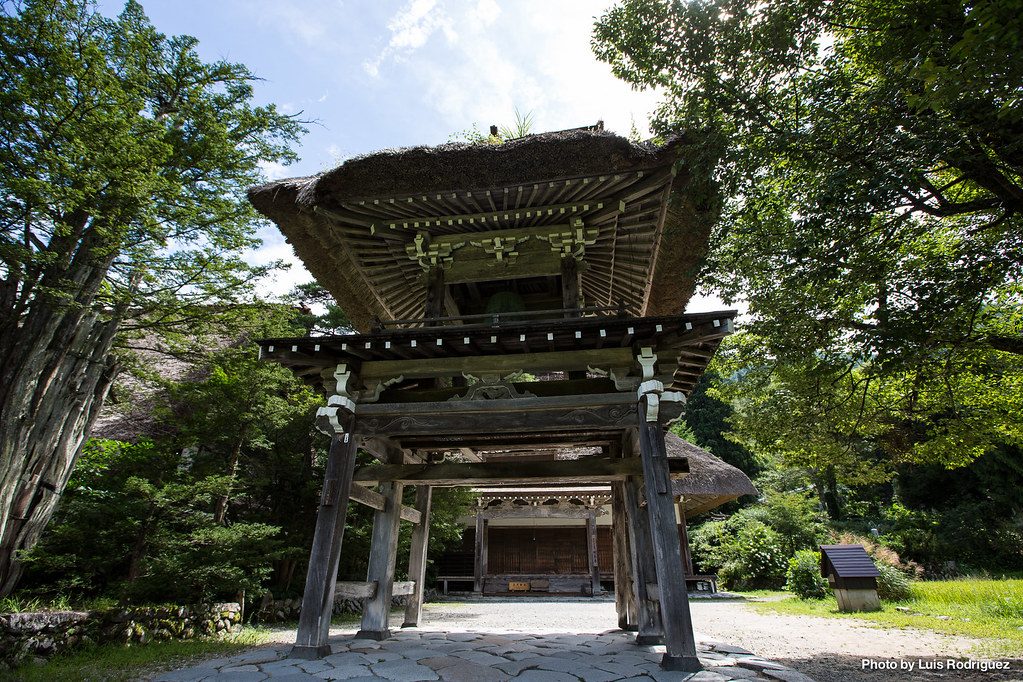
Focus your lens on the wooden temple bell tower and the surrounding thatched buildings which provide a distinct aesthetic typical of Kanazawa sightseeing landmarks. The contrast between the dark wood and greenery is sharpest in the morning light.
Position yourself on this suspension bridge to get a stable shot of the river crossing and the village entrance. It serves as a gateway for those booking shirakawago private tour from kanazawa tours who wish to capture the flowing water alongside the settlement.
Visiting the village with children is a rewarding experience, as the open-air environment and unique architecture offer a fascinating look at history. A shirakawago private tour from kanazawa helps families navigate the area efficiently while avoiding the most crowded times of the day.
Most village paths are flat and manageable for strollers, though some narrow lanes and historic house interiors are not step-free. Plan to carry little ones when exploring the inside of the traditional wooden farmhouses.
This destination is ideal for school-age children who enjoy exploring unique, living history sites at a steady pace. Younger toddlers will appreciate the open spaces, but there are few dedicated child-focused attractions or play areas.
Public restrooms are available within the main tourist area to accommodate family needs during your visit. For a comfortable experience, aim to arrive between 08:00 and 10:00 to avoid peak crowds and ensure easier access to amenities.
A visit typically requires three to four hours to fully enjoy the scenery without feeling rushed. Choosing a customized Shirakawa-go and Takayama tour allows you to set a pace that respects your family's rhythm.
The village offers various local snacks and small restaurants where you can find kid-friendly options like rice cakes or fresh tofu. Consider booking a shirakawago private tour from kanazawa tickets to simplify your logistics for a stress-free lunch transition.
Visitors on a shirakawago private tour from kanazawa will find authentic Hida region flavors within the village, ranging from casual street food to traditional sit-down eateries. While planning your visit to these UNESCO heritage landmarks, consider stopping at these local spots to experience regional specialties like handmade soba noodles.
Located in a historic gassho-zukuri farmhouse, this spot is ideal for savoring local Hida beef and mountain vegetables. It is a popular choice for those wanting an authentic atmosphere while on shirakawago private tour from kanazawa tours.
This cozy venue specializes in freshly prepared buckwheat noodles, perfect for a quick yet satisfying lunch. It serves as a great stop for guests needing a reliable meal during their shirakawago private tour from kanazawa tour.
Situated near the entrance, these stalls offer light bites like gohei-mochi and grilled river fish. These vendors provide convenient options for travelers using their shirakawago private tour from kanazawa tickets to explore the village at their own pace.
Everything you need to know for your journey
The village itself is open 08:00–17:00. Please check with your operator regarding specific tour start times.
Many traditional buildings have steep stairs, though the main village streets are generally accessible for a shirakawago private tour from kanazawa.
Prohibited items include drones, tripods in busy areas, and entering private property without permission. Please follow all posted signage.
Yes, you can take photos in public areas during your shirakawago private tour from kanazawa. Please respect resident privacy and do not photograph windows.
The best arrival window is 08:00–10:00 to avoid peak crowds. A shirakawago private tour from kanazawa is excellent in any season.
Comfortable, weather-appropriate clothing and flat walking shoes are essential. Layering is best for a shirakawago private tour from kanazawa.
Food stalls are available throughout the village. During a shirakawago private tour from kanazawa, please avoid eating while walking to respect village etiquette.
You can travel by direct highway bus from Kanazawa Station or book a shirakawago private tour from kanazawa by car.
Yes, families are welcome. A shirakawago private tour from kanazawa is educational, but be mindful of steep stairs in historic homes.
Cancellations for a shirakawago private tour from kanazawa depend on the operator. Generally, provide at least 72 hours' notice for a refund.
The largest and best-preserved farmhouse in the village, offering a view of its massive roof structure.
Traditional inn with hot spring access near the village center.
Join thousands of happy travelers who have discovered this incredible experience
Book Your Experience Now